Nintendo · Shigeru Miyamoto · Kyoto, 1985

SUPER MARIO

The plumber who became a legend. The game that saved the industry.
From World 1-1 to the 64th dimension — the greatest platform series ever made.

1985 NES Launch
40M+ SMB Copies Sold
8 Major Platform Games
96 Exits in SMW
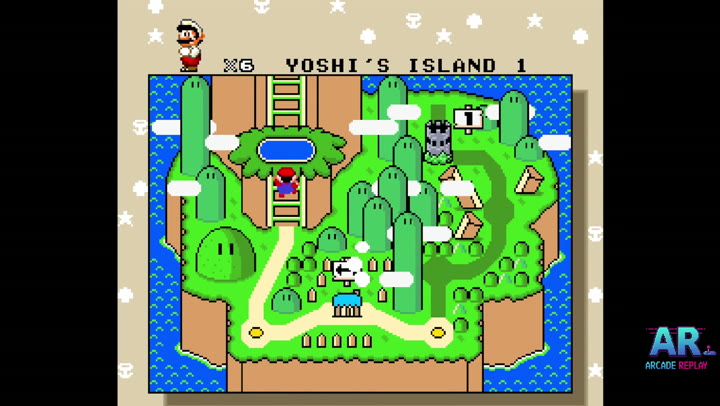
Super Mario World Dinosaur Land overworld map - Mario on the Yoshi's Island world map
Dinosaur Land — the Super Mario World overworld map, connecting 72 stages across 9 worlds
? The Series

A World-Changing Franchise

Super Mario Bros. arrived in 1985 and reset every expectation of what a video game could be. Forty years later, it still does.

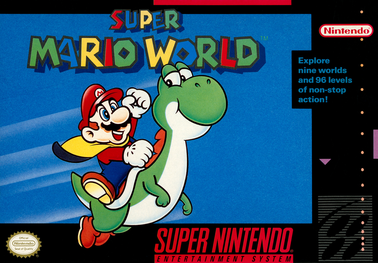
Super Mario World SNES box art - Mario, Yoshi and Princess Toadstool
Super Mario World (1990) - the SNES launch title that introduced Yoshi and pushed the 16-bit era's platforming ceiling to its limits.
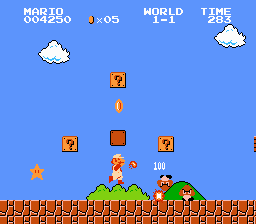
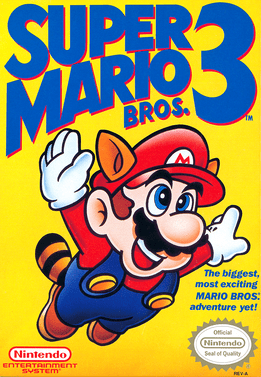
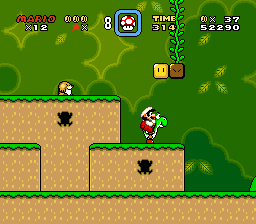
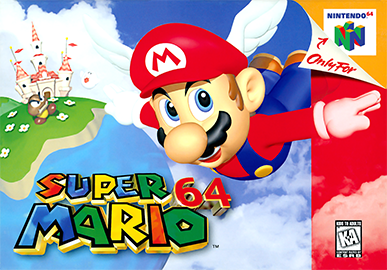
Super Mario Bros. World 1-1 - the iconic opening stage on NES Super Mario Bros. 3 NES box art - Miyamoto's acclaimed sequel Super Mario World SNES gameplay - Yoshi and Mario in Dinosaur Land Super Mario 64 box art - the N64 3D platformer that changed gaming
? The Origin

How Mario Was Born

A hat to avoid animating hair. A moustache instead of a mouth. Overalls to read at low resolution. Mario was designed by constraints.

Super Mario Bros. launched in September 1985 in Japan and reached North America packaged with the Nintendo Entertainment System, tasked with reviving a video game market still reeling from the 1983 crash. It succeeded beyond any reasonable prediction. The game sold over 40 million copies, established Nintendo as the dominant force in home gaming, and introduced a set of design principles — implicit teaching through level layout, responsive physics, escalating challenge — that the entire platform genre still follows.

Shigeru Miyamoto and Takashi Tezuka designed the game at Nintendo R&D4. Miyamoto had already created Donkey Kong (1981), which introduced Mario as Jumpman, and Mario Bros. (1983), which gave him his name and his brother Luigi. Super Mario Bros. was something different: a continuous side-scrolling world, a physics system that made jumping feel like thought made physical, and a structure that rewarded exploration as much as completion. Koji Kondo composed the soundtrack working within the NES’s three-voice limitation — and produced the most recognisable piece of game music ever written.

Video games are bad for you? That’s what they said about rock and roll. — Shigeru Miyamoto
? Marquee Titles

The Games That Defined It

From the NES original to Super Mario 64 — eight games that each redefined what a platform game could be.

Super Mario Bros. (1985) NES box art

NES · 1985

Super Mario Bros.

The game that saved the North American market and taught the world how to play. World 1-1 remains the most studied piece of game design in history.

NES Platformer

View in catalogue →

Super Mario Bros. 3 NES box art

NES · 1988

Super Mario Bros. 3

Widely considered the greatest NES game ever made. Eight themed worlds, an overworld map, and a power-up roster that expanded the series’ vocabulary permanently.

NES Platformer

View in catalogue →

Super Mario World SNES box art

SNES · 1990

Super Mario World

The SNES launch title that introduced Yoshi. 96 exits, 72 stages, and a hidden Star Road — the most expansive Mario world yet.

SNES Platformer Flagship

Deep dive →

? Watch

Mario in Motion

The series at its best — longplay and design analysis.

What Makes Mario Run?

Game Maker’s Toolkit’s landmark analysis of Super Mario Bros. World 1-1 — how Miyamoto’s team embedded a tutorial into the first stage without a single word of instruction. The definitive explanation of the “obstacles that teach” philosophy.

Design Analysis · Game Maker’s Toolkit

Super Mario Bros. Any% Speedrun

Watch the most optimised run through Super Mario Bros. — utilising the warp zones, flagpole glitches, and movement tech that has been refined by the world’s fastest Mario players over 40 years.

Speedrun · GDQVods / Various

? Did You Know?

Secrets & Surprises

A delayed game is eventually good, but a rushed game is forever bad. — Shigeru Miyamoto