13 Curated Videos

Videos

Speedruns, soundtracks, longplays, design analysis, and Miyamoto at GDC — the Super Mario series in motion.

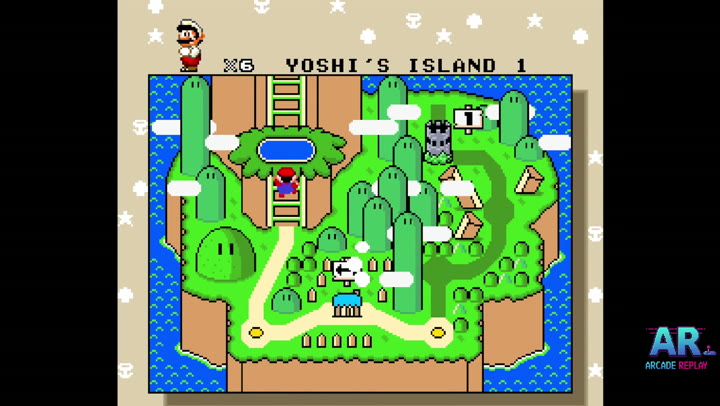
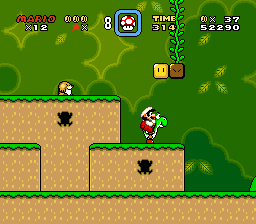
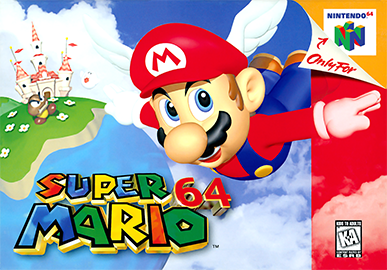
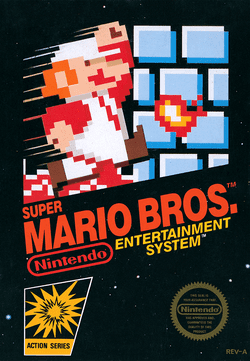
Super Mario Bros. (1985) NES box art Super Mario World Dinosaur Land overworld map Super Mario World SNES gameplay - Mario and Yoshi Super Mario 64 Nintendo 64 box art
? Speedruns

Speed & Skill

The fastest players in the world, optimising 40 years of Mario physics.

Super Mario Bros. Any% World Record History

Summoning Salt’s legendary breakdown of the Super Mario Bros. Any% category world record history — every record holder, every improvement, and the techniques that shaved milliseconds off the fastest time in the game’s history.

Documentary · Summoning Salt

Super Mario World Speedrun - All Exits

A complete All Exits run of Super Mario World — all 96 exits cleared, including Star Road, the Special Zone, and every secret path on the overworld. Watch the Cape Feather flight sequences, key discoveries, and Ghost House puzzles solved at full speed.

Speedrun · GDQVods

? Design Analysis

Why Mario Works

Game design scholarship at its best — dissecting the principles behind the series.

What Makes Mario Run?

Game Maker’s Toolkit’s foundational analysis of Super Mario Bros. World 1-1 — how Miyamoto’s team embedded a complete game design tutorial into the opening stage without a single word of written instruction. The most cited analysis of Mario’s “obstacles that teach” philosophy.

Design Analysis · Game Maker’s Toolkit

What Makes a Mario Level?

A deep analysis of Super Mario Bros. 3 level design principles — how the game’s levels teach mechanics through structure, reward exploration, and escalate difficulty with precision. A companion piece to the World 1-1 analysis.

Design Analysis · Game Maker’s Toolkit

Super Mario 64’s Design: A Revolution in 3D

How Super Mario 64 invented the conventions of third-person 3D gaming — the camera system, the movement vocabulary, and the way each world communicates its objectives without a single explicit instruction. The defining leap from 2D to 3D.

Design Analysis · Various

? Longplays

All Main Games

Complete longplays of every major platform game in the series.

Super Mario Bros. - Full Longplay (NES)

The original Super Mario Bros. longplayed from World 1-1 through World 8-4 — all 32 stages, the flagpoles, the secret warp zones, and Bowser defeated at the end. The game that started everything, played in full.

NES Longplay · 1985

Super Mario Bros. 3 - Full Longplay (NES)

All eight worlds of Super Mario Bros. 3 — the grasslands, the Desert World, the Giant World, Pipe World, Sky World, Ice World, Pipe World, the Koopalings’ kingdoms, and the final assault on Dark Land. The greatest NES game, from start to finish.

NES Longplay · 1988

Super Mario World - Full Longplay (SNES)

Super Mario World in full — all 96 exits including the Star Road and Special Zone. Yoshi’s abilities, the Cape Feather flight sequences, Ghost Houses, and the Valley of Bowser final battle.

SNES Longplay · 1990

Yoshi’s Island - Full Longplay (SNES)

Super Mario World 2: Yoshi’s Island longplayed in full — the egg-throwing mechanics, Yoshi vehicle transformations, Kamek encounters, and Baby Bowser’s remarkable final battle. The hand-drawn Super FX2 visual style in all its crayon glory.

SNES Longplay · 1995

Super Mario 64 - Full Longplay (N64)

Super Mario 64 longplayed with all 120 Power Stars — every world, every star objective, the Bowser encounters, and the 15th world hidden beyond Rainbow Ride. The 3D revolution in full operation.

N64 Longplay · 1996
? Music & Interviews

Soundtracks & Miyamoto

Koji Kondo’s complete scores, and Miyamoto in conversation.

Super Mario Bros. Complete Soundtrack

The complete Super Mario Bros. NES soundtrack by Koji Kondo — Ground Theme, Underwater Theme, Underground Theme, Castle Theme, Invincibility (Starman) Theme, and the iconic Game Over jingle. The most recognisable game music ever composed.

OST · Koji Kondo · 1985

Super Mario World Complete Soundtrack

The full Super Mario World SNES soundtrack — Koji Kondo’s compositions for the Sony SPC700 chip, including the overworld map themes, cave music, athletic theme, castle music, and the distinctive boss themes. A warmer, rounder sound than the NES predecessors.

OST · Koji Kondo · 1990

Miyamoto: Developing the New Game Design

Shigeru Miyamoto’s GDC lecture on game design philosophy — the principles behind the Mario series, the “obstacles that teach” concept, and how Nintendo approaches the challenge of making games accessible without making them trivial. Miyamoto in his own words.

GDC Lecture · Shigeru Miyamoto