Flagship Title · SNES · 1990

Super Mario World

The SNES launch title. Yoshi’s debut. 96 exits. The game that proved 16-bit was a new era — not just faster pixels, but a deeper, richer world.

? At a Glance

Game Overview

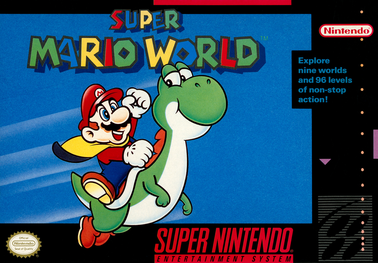
Super Mario World SNES box art - Mario, Yoshi and Princess Toadstool
Super Mario World (1990) — released as Super Mario Bros. 4 in Japan, confirming its status as a true numbered sequel.

Release

JapanNovember 21, 1990
North AmericaAugust 13, 1991
PlatformSuper Nintendo / SNES
PublisherNintendo
DirectorTakashi Tezuka

By the Numbers

Worlds9 (inc. Special Zone)
Stages72
Exits96
Yoshi Colours4 (+ Baby Yoshi)
Power-upsCape Feather, Fire Flower, Super Mushroom
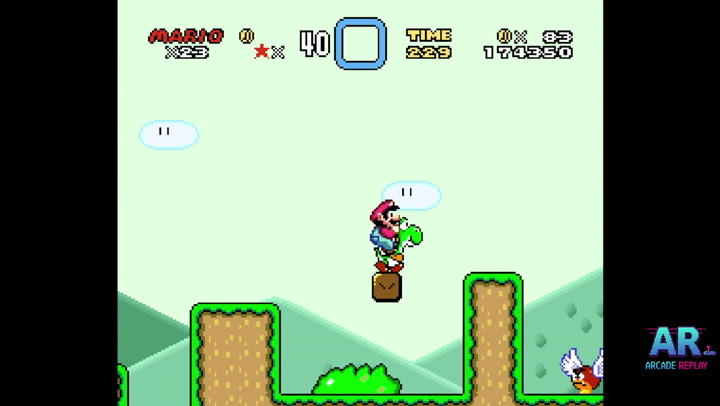
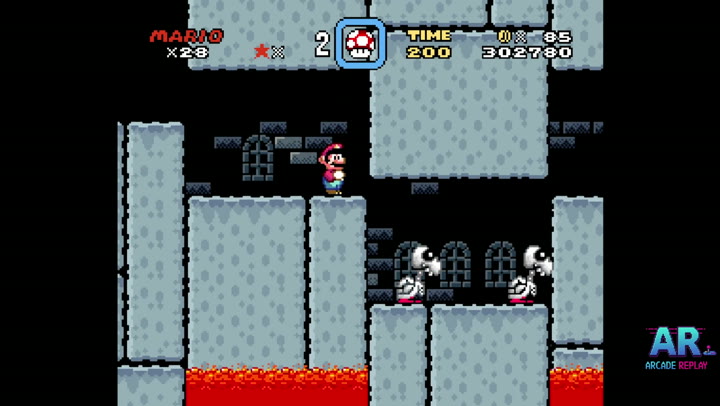
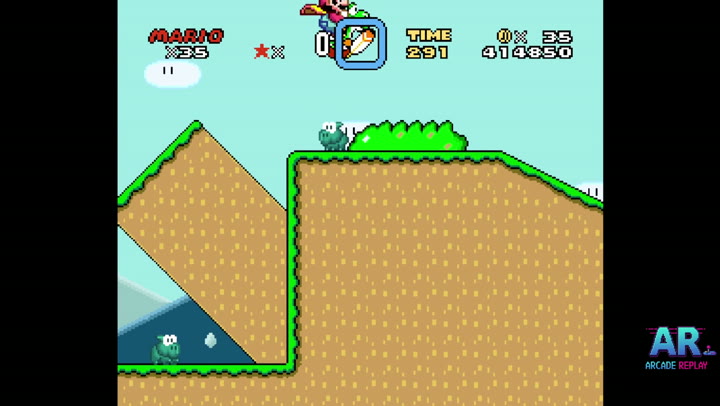
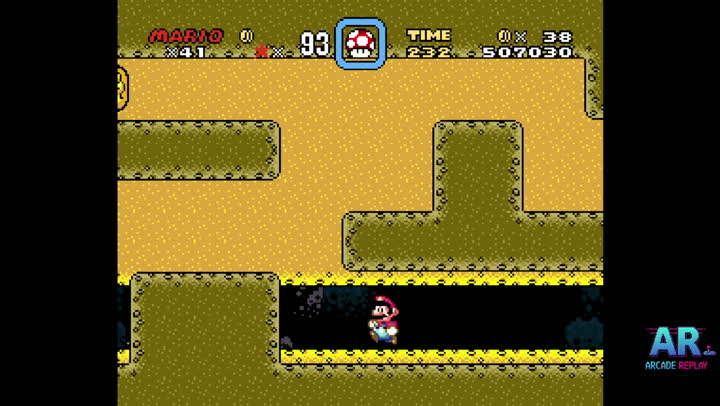
Super Mario World - early game, Yoshi's Island area Super Mario World - Donut Plains area gameplay Super Mario World - mid-game area

96

Total Exits

72

Stages

5

Yoshi Colours

1990

Launch Year (JP)

? The Debut

Yoshi: Five Years in the Making

A rideable dinosaur conceived for the NES in 1985 — and finally realised on the SNES in 1990.

The Long Wait

Shigeru Miyamoto had sketched a rideable dinosaur companion for Mario during development of the original Super Mario Bros. in 1985. The concept was clear: Mario would have an animal companion who could swallow enemies and give him additional abilities. The NES hardware could not animate it convincingly. The sprite system lacked the resolution and colour depth to make Yoshi readable at the game’s speed. The concept was shelved.

Five years later, the Super Nintendo’s 512-colour palette, larger sprite hardware, and Mode 7 capabilities gave Miyamoto’s team the tools they had been waiting for. Yoshi arrived in Super Mario World (1990) not as a bonus feature but as a transformative gameplay element.

Yoshi’s Mechanics

Yoshi’s core ability is swallowing enemies and carrying Mario. But the system goes far deeper. Different coloured shells grant Yoshi different abilities: Blue Yoshi gains the ability to fly when holding any shell. Yellow Yoshi creates a dust cloud that destroys enemies when holding a shell. Red Yoshi spits fireballs when holding a shell. These interactions are layered on top of the base Yoshi mechanics to create a system of exploration and discovery that rewards players who experiment.

Yoshi can also flutter-jump — a brief extension of the jump arc achieved by pressing the jump button repeatedly while Yoshi kicks his feet. This ability, refined across later games, became one of the series’ most distinctive gameplay signatures.

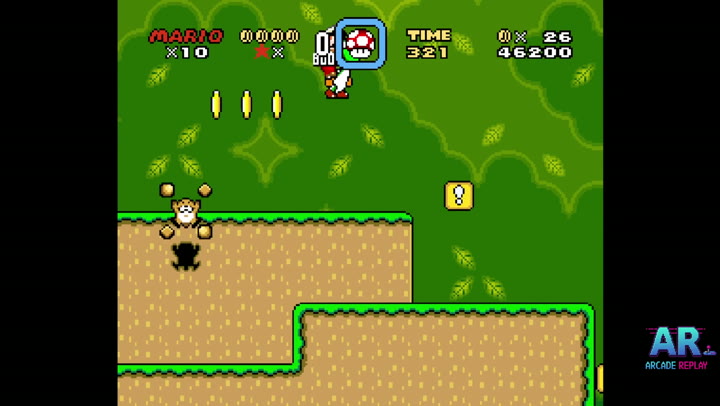
Super Mario World SNES gameplay - Mario riding Yoshi in a grassland stage
Super Mario World gameplay — Mario astride Yoshi in Dinosaur Land. The SNES hardware delivered the responsive, readable animation that the NES could not.
? The World Map

Dinosaur Land & the Star Road

A fully explorable overworld connecting 72 stages, hidden switch palaces, and a secret warp network.

The Overworld Structure

Super Mario World’s overworld map expanded significantly on the concept introduced in Super Mario Bros. 3. Rather than a linear world map, Dinosaur Land is a fully explorable connected world. Clearing a level opens paths in multiple directions; some paths are hidden behind secret exits that require finding alternate routes through existing stages.

The map contains Switch Palaces — special stages where Mario activates coloured switches that make coloured blocks solid throughout the game world, opening new paths and revealing hidden items in previously completed stages. The Switch Palaces create a sense of persistent consequence: what you do in one stage changes the entire world.

The Star Road & Special Zone

Hidden within the main world is the Star Road — a secret warp network accessible only by finding the secret exit in Donut Plains 1. The Star Road connects five hidden stages spread across Dinosaur Land, each unlocking a warp to a specific point in the main world. Completing all five Star Road stages opens access to the Special Zone, which contains the eight hardest stages in the game.

Completing all Special Zone stages triggers a permanent visual change to the overworld: the landscape shifts from green summer to autumn colours, and enemy sprites transform. Koopa Troopas become Mario-masked characters. Other enemies change appearance throughout the game world. The change persists until the console is switched off.

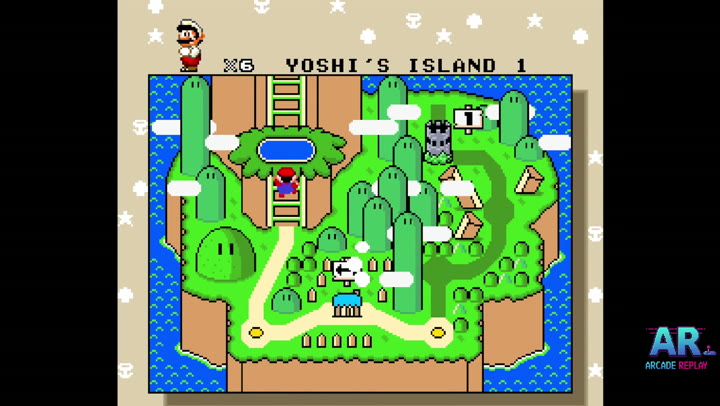
Super Mario World Dinosaur Land overworld map - Mario navigating the Yoshi's Island world
The Dinosaur Land overworld map — Super Mario World’s fully connected world geography. One contiguous map linking 9 worlds, Switch Palaces, and the hidden Star Road.
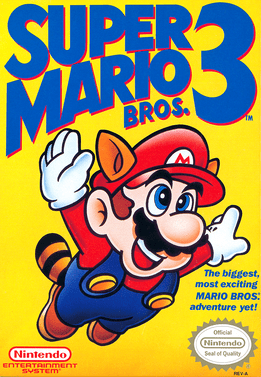
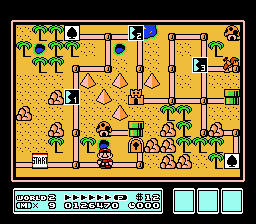
Super Mario Bros. 3 World 1 overworld map - the template that SMW expanded upon
Super Mario Bros. 3 World 1 overworld (for comparison) — the per-world map design that SMW expanded into one single connected Dinosaur Land.
? Level Design

Level Design Analysis

How Tezuka’s team designed 72 stages that feel distinct, teach specific skills, and reward mastery.

Super Mario World - late game stage design Super Mario World - final area Super Mario World - Donut Plains area with Yoshi

Teaching Through Play

Super Mario World continues Miyamoto’s pedagogy of implicit teaching. Yoshi’s Island 1 — the first stage — introduces Yoshi by placing a Yoshi egg beside a Goomba: the player learns that Yoshi is obtained from eggs and that Yoshi can interact with enemies before any explanation is given. The Yoshi egg itself teaches that round items on platforms should be examined.

Later stages introduce their mechanics through safe exploration before testing them under pressure. The Ghost Houses introduce puzzle-oriented platforming: stages where the exit requires finding a hidden door rather than reaching the flagpole. The first Ghost House is gentle enough to discover by accident; later Ghost Houses require specific knowledge earned from earlier encounters.

The Cape Feather: Speed and Mastery

The Cape Feather power-up transforms Mario into Cape Mario, who can run to build speed and take off into sustained flight. In skilled hands, Cape Mario can fly over entire stages — but the mechanic requires precise timing. Too slow and the flight stalls; too late a correction and Mario falls. The cape rewards mastery with sequence breaks and hidden items inaccessible any other way.

The cape also grants a spinning attack that can defeat most enemies and break certain blocks — a versatile melee option that gives Mario combat flexibility beyond the classic jump-stomp.

Yoshi was conceived for the original Super Mario Bros. in 1985 but the NES hardware couldn’t animate him to Miyamoto’s satisfaction — he waited five years for the SNES. — Nintendo EAD, development documentation
? Watch

Super Mario World Longplay

SNES Longplay: Super Mario World

A complete playthrough of Super Mario World on the SNES — all 96 exits, the Star Road, the Special Zone, and the final confrontation with Bowser in the Valley of Bowser. Watch Yoshi’s cape mechanics, the Ghost Houses, and the secret warp network in full operation.

Longplay · World of Longplays / Archive.org