IMAGINE SOFTWARE
Two years. Fourteen games. One BBC camera. One of gaming's great collapses.
The Moment BBC Cameras Caught Everything
In 1984, the BBC was filming a positive profile of Imagine. Then the bailiffs arrived.
This 1984 BBC clip from the "Commercial Breaks" series captures what became one of the most extraordinary scenes in games industry history - a documentary crew that arrived expecting a success story and instead witnessed a company's final hours. Director Paul Anderson's footage aired on 13 December 1984 on BBC Two.
Imagine Software launched in Liverpool in 1982 with two co-founders, a handful of programmers, and the conviction that home computer games were going to be big business. Within eighteen months they had the sales figures to prove it. Arcadia, their breakout title, reportedly shifted over 100,000 copies - an astonishing number for a ZX Spectrum game in 1982.
The company burned bright and brief. Dave Lawson and Ian Hetherington built one of the most commercially successful UK games publishers of 1982-1983, signing deals, hiring staff, and moving into prominent Liverpool offices. Marketing manager Bruce Everiss became a recognisable media figure, giving interviews and positioning Imagine as the future of British software.
Then came the Megagames - Bandersnatch and Psyclapse, priced at a shocking £39.95 each at a time when standard games cost £5-10. The ambition was real; the completion was not. When Imagine collapsed in July 1984, those games remained unfinished. BBC cameras were already in the building, filming what was supposed to be a celebration. The footage they captured instead became a defining document of the era.
Games That Made Imagine
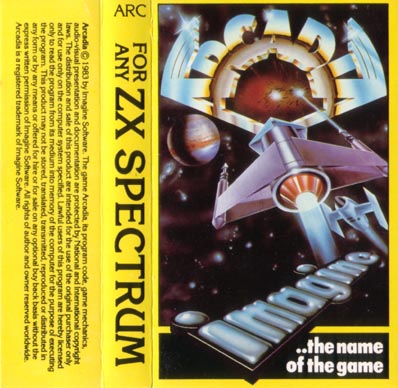
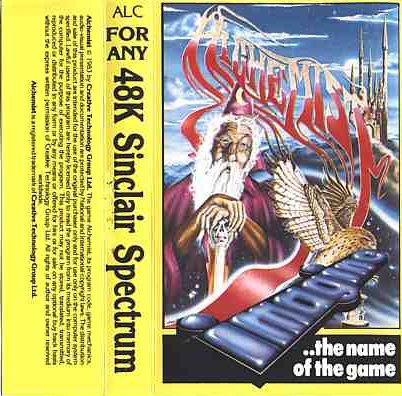
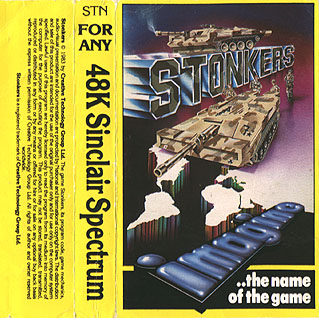
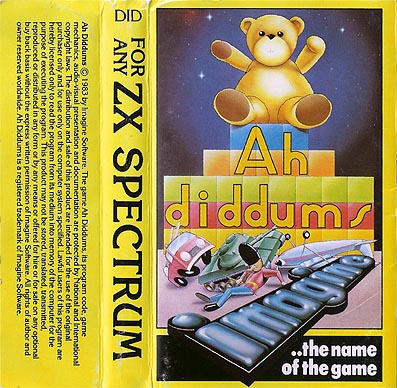
Rise, Ambition, Fall
Imagine's story is often told as a simple morality tale about excess - young programmers given too much money too fast, burning through it on sports cars and salaries. The reality was more complicated. The Megagames project was genuinely ambitious: Bandersnatch required a hardware peripheral and represented a real attempt to push what the ZX Spectrum could do. The money ran out before the ambition could be realised.
Ian Hetherington did not disappear after the collapse. He co-founded Psygnosis (originally called Finchspeed) in 1984, and the Bandersnatch code he had been writing at Imagine was reworked into Brataccas, released by Psygnosis in 1985. The talent that built Imagine went on to help shape the Amiga era.
The Megagames That Never Were
Bandersnatch and Psyclapse were announced in 1983-1984 at a price of £39.95 - more than three times what the typical game cost. Both required a dedicated hardware peripheral. Both were the focus of breathless magazine coverage. Neither shipped.
The press coverage around the Megagames was part marketing genius, part symptom of the problem. Imagine had mastered the art of generating excitement. Converting that excitement into finished software proved harder.
Bandersnatch, being developed by Hetherington, survived in partial form and lives on as Brataccas. Psyclapse left almost no trace. Together they represent the gap between what Imagine promised and what it delivered - and they gave the company's name an ironic resonance it never quite shook.