People
The co-founders, programmers, and marketers who built Imagine Software in two years and watched it fall apart in one.
Co-Founders
Dave Lawson
Co-founder, Technical Director
Lawson co-founded Imagine Software in Liverpool in 1982 and served as technical director
throughout the company's existence. His role sat at the intersection of programming and
management - responsible for the technical direction of the catalogue while Hetherington
led direct programming work on the major projects. Arcadia's success as Imagine's breakout
title reflected the technical foundations Lawson helped establish.
Note: Sources differ on whether Lawson's primary title was Technical Director or
Managing Director. Wikipedia cites him as co-founder; specific role attribution
requires verification against primary sources from the period.
Ian Hetherington
Co-founder, Lead Programmer
Hetherington co-founded Imagine in 1982 and led the company's most ambitious project -
the Megagame Bandersnatch. His work on Bandersnatch represented a genuine attempt to
push past what the ZX Spectrum could do with standard hardware. When Imagine collapsed,
Hetherington did not stop: he co-founded Psygnosis (originally Finchspeed) in 1984,
taking the Bandersnatch code with him. That code became Brataccas, released by Psygnosis
in 1985 - and Psygnosis went on to publish Lemmings, Shadow of the Beast, and other
Amiga-era landmarks.
The chain from Imagine's Bandersnatch to Psygnosis's catalogue is the clearest line
from Liverpool 1982 to the broader British games industry of the late 1980s.
Dave Lawson
Co-founder, Technical DirectorLawson co-founded Imagine Software in Liverpool in 1982 and served as technical director throughout the company's existence. His role sat at the intersection of programming and management - responsible for the technical direction of the catalogue while Hetherington led direct programming work on the major projects. Arcadia's success as Imagine's breakout title reflected the technical foundations Lawson helped establish.
Note: Sources differ on whether Lawson's primary title was Technical Director or Managing Director. Wikipedia cites him as co-founder; specific role attribution requires verification against primary sources from the period.
Ian Hetherington
Co-founder, Lead ProgrammerHetherington co-founded Imagine in 1982 and led the company's most ambitious project - the Megagame Bandersnatch. His work on Bandersnatch represented a genuine attempt to push past what the ZX Spectrum could do with standard hardware. When Imagine collapsed, Hetherington did not stop: he co-founded Psygnosis (originally Finchspeed) in 1984, taking the Bandersnatch code with him. That code became Brataccas, released by Psygnosis in 1985 - and Psygnosis went on to publish Lemmings, Shadow of the Beast, and other Amiga-era landmarks.
The chain from Imagine's Bandersnatch to Psygnosis's catalogue is the clearest line from Liverpool 1982 to the broader British games industry of the late 1980s.
Key Staff
Bruce Everiss
Marketing ManagerEveriss was the most visible face of Imagine Software in the media - outspoken, quotable, and willing to make bold claims about what the company was building. He gave many press interviews during the peak years and was present during the BBC documentary filming, which means he appears on camera during the collapse sequence. His account of Imagine's history, including the decisions that led to the company's financial difficulties, has been documented in retrospective interviews and his personal blog "Bruce on Games."
Source: Wikipedia - Imagine Software; "Bruce on Games" blog; BBC "Commercial Breaks" documentary (1984)
John Gibson
ProgrammerGibson was a programmer at Imagine Software whose work contributed to the Arcadia project. Specific credit information for Imagine's ZX Spectrum titles is difficult to verify - developer credits were rarely prominent on cassette packaging or inlays during this period of the industry. Gibson's involvement with Arcadia is cited in gaming history sources, connecting him to Imagine's most commercially successful release.
Note: Detailed credits for individual Imagine titles require verification against MobyGames and contemporary magazine sources.
Eugene Evans
ProgrammerEvans was among the programmers working at Imagine during the company's active years. As with much of Imagine's development team, specific game credits are difficult to confirm - the period documentation that survives focuses heavily on the company's public face (Everiss and the co-founders) rather than the individual programmers behind specific titles.
Mark Butler
ProgrammerButler worked as a programmer at Imagine Software. The company's output during 1982-1984 required a productive development team, and Butler was part of the programming staff that maintained the regular release schedule across ZX Spectrum titles. Specific title credits require verification against period sources.
Note: Some sources describe a Mark Butler in a managerial role rather than programmer role. Primary source verification is recommended.
A Note on Credits
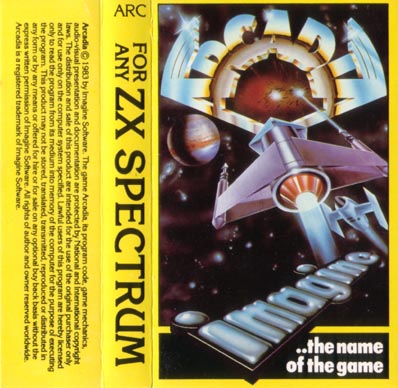
Imagine Software operated in an era when game developer credits were rarely printed prominently. Cassette inlays and packaging typically listed the company name rather than the individual programmers, artists, or designers behind each title. The result is that attributing specific games to specific people requires cross-referencing MobyGames, ZXDB at Spectrum Computing, and contemporary magazine coverage - sources that are often incomplete for the early Spectrum era.
The BBC documentary footage provides the most reliable visual record of key personnel and should be considered the primary source for any claim about who was present and in what capacity during Imagine's final days.