Sapporo, Japan · 1973 – 2012

Hudson Soft

Bombers, adventurers, and the tiny white box from Sapporo.
PC Engine co-creators. Bomberman architects. A 39-year legacy.

1973 Founded
PCE Co-Created
30+ Bomberman Years
700+ Titles Published

Hardware & Games

Hudson Soft didn’t just make games - they co-engineered the machine that ran them. The PC Engine was as much a Hudson creation as an NEC one.

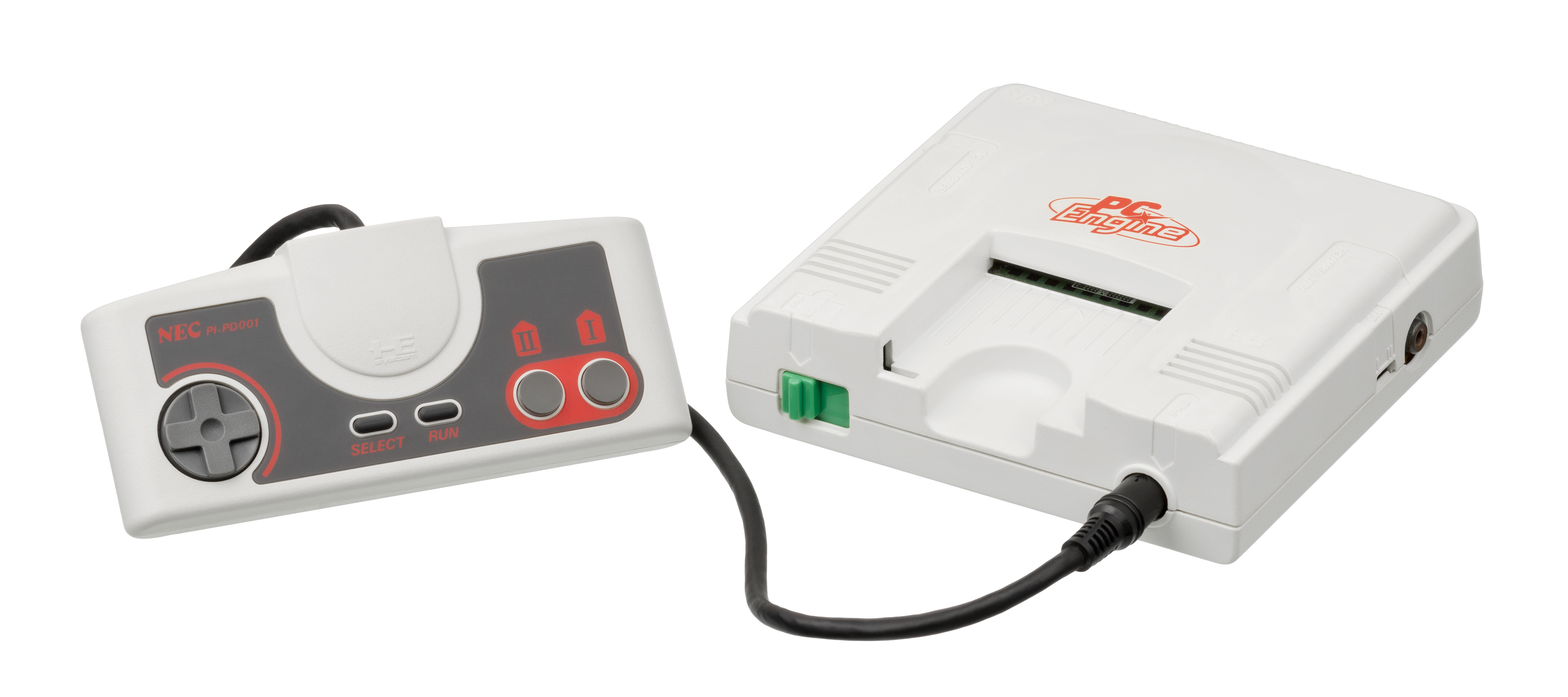
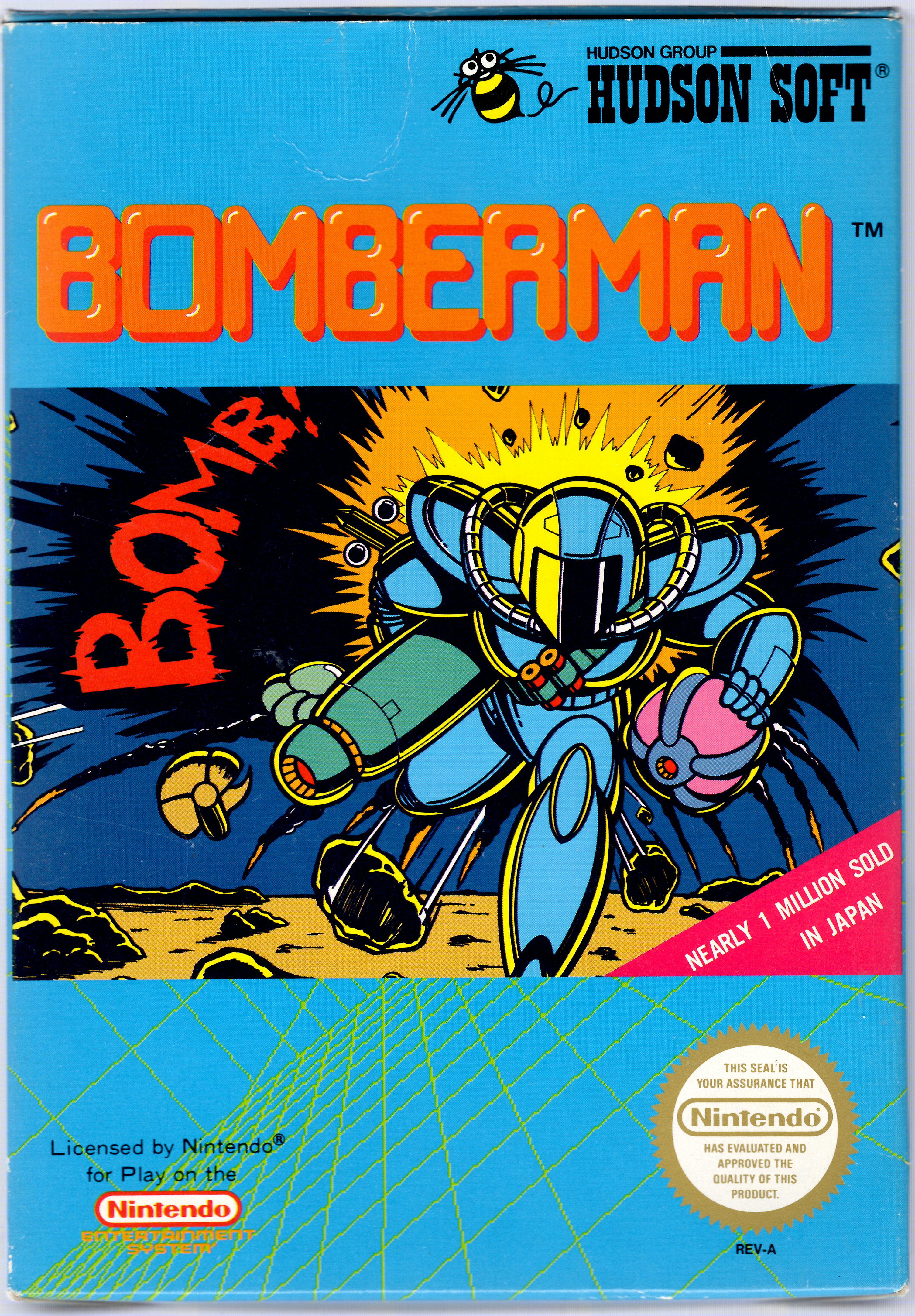
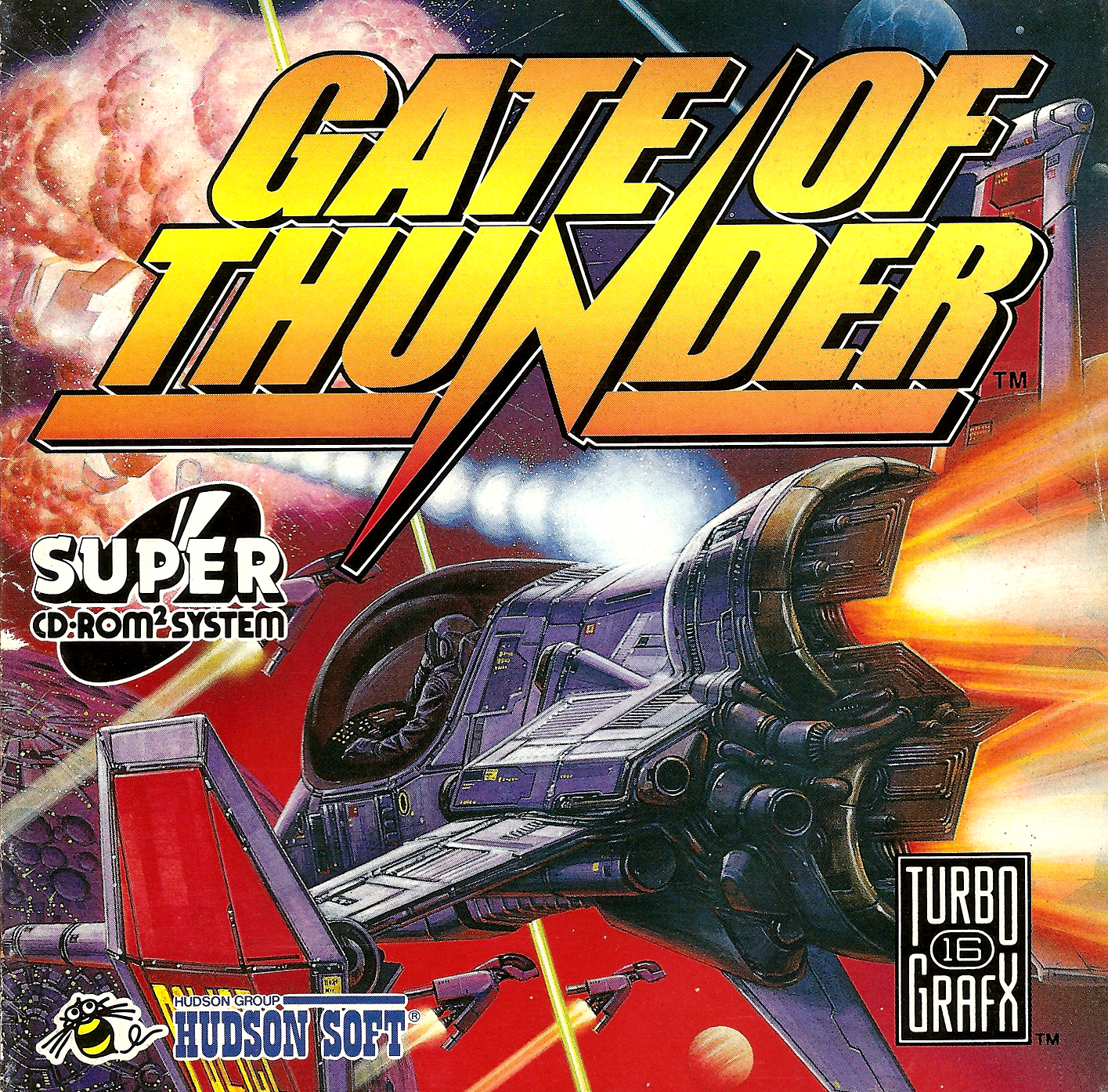
NEC PC Engine original white console - co-developed with Hudson Soft, 1987 Bomberman NES box art - Hudson Soft, 1985 Gate of Thunder PC Engine CD - Hudson Soft, 1992

Who Was Hudson Soft?

From a Hokkaido electronics shop to the forefront of Japanese game development - a story of technical ambition, creative invention, and lasting cultural impact.

Hudson Soft was founded in 1973 by brothers Hiroshi and Yuji Kudo in Sapporo, Hokkaido - the northernmost major island of Japan. What began as a small electronics retail business evolved, by the late 1970s, into one of Japan’s most technically sophisticated game developers. The company took its name from the Hudson River, which the founders admired as a symbol of breadth and ambition.

Through the early 1980s, Hudson established itself on personal computers: the NEC PC-88 and PC-98, the MSX, and the Sharp X1. Their 1983 port of Lode Runner - one of the first games to individually credit its developer inside the software - demonstrated both technical skill and a commitment to originality that would define the studio. That same year, the earliest version of Bomberman appeared, a humble maze game that would grow into a franchise spanning 30 years.

The pivotal moment came in 1987 when Hudson joined NEC Corporation to co-develop the PC Engine. Hudson contributed the HuC6280 CPU design, the HuCard storage format, and core system architecture - NEC provided manufacturing and distribution. The result was a console that fit in the palm of a hand and outperformed machines twice its size.

Through the late 1980s and 1990s, Hudson was the PC Engine’s primary publisher, delivering landmark titles: Bomberman ’93 redefined multiplayer gaming with its 5-player mode; Bonk’s Adventure became the platform’s mascot franchise; Gate of Thunder and Lords of Thunder showcased CD-ROM audio in ways rivals couldn’t match. Hudson also published Konami’s Castlevania: Rondo of Blood - a game so lauded it served as the direct prequel to Symphony of the Night.

See the Legacy

Retrospectives and longplays that capture what made Hudson Soft’s output so enduring.

Hudson Soft - A History

A comprehensive look at Hudson Soft’s rise from Sapporo electronics shop to PC Engine co-creator and Bomberman franchise architect. Covers their MSX roots, Famicom era, PC Engine peak, and eventual absorption by Konami in 2012.

Documentary · Company History

Bomberman ’93 - 5-Player PC Engine Longplay

The multiplayer game that changed everything. Bomberman ’93 on the PC Engine introduced the 5-player battle mode that made the series a party staple. Watch the chaos unfold in its original form.

Longplay · PC Engine · 1993

The Games That Defined Hudson

From the PC-88 origins of Bomberman to the PC Engine golden era - these are the titles that made Hudson Soft’s reputation.

Bomberman NES box art - Hudson Soft

NES · 1985

Bomberman

The NES wider release that launched a franchise. What began as a humble PC-88 maze game became one of gaming’s most durable multiplayer concepts.

NES/Famicom Action Flagship

Bomberman deep dive →

Gate of Thunder PC Engine CD box art - Hudson Soft, 1992

PC Engine CD · 1992

Gate of Thunder

Hudson’s CD-ROM showcase - redbook audio, fluid parallax scrolling, and five stages of escalating intensity. The PC Engine’s finest shoot-em-up moment.

PC Engine CD Shoot-em-up

Full catalogue →

Bonk's Adventure TurboGrafx-16 box art - Hudson Soft, 1990

PC Engine · 1989

Bonk’s Adventure

PC Engine’s answer to Mario - a cave-boy platformer with buttery smooth animation, creative boss fights, and a charisma that made Bonk the console’s mascot.

PC Engine Platform

Full catalogue →