Famicom Mass Market
The Famicom port of Bomberman (1985) was a significant step up from the PC-88 original - not merely in audiovisual terms, but in the clarity and personality of its presentation. The white-suited Bomberman character became visually established; the maze design gained aesthetic coherence; the enemy creatures acquired names and distinct movement patterns.
Bomb Up, Fire Up, Speed Up - and the Danger of Each
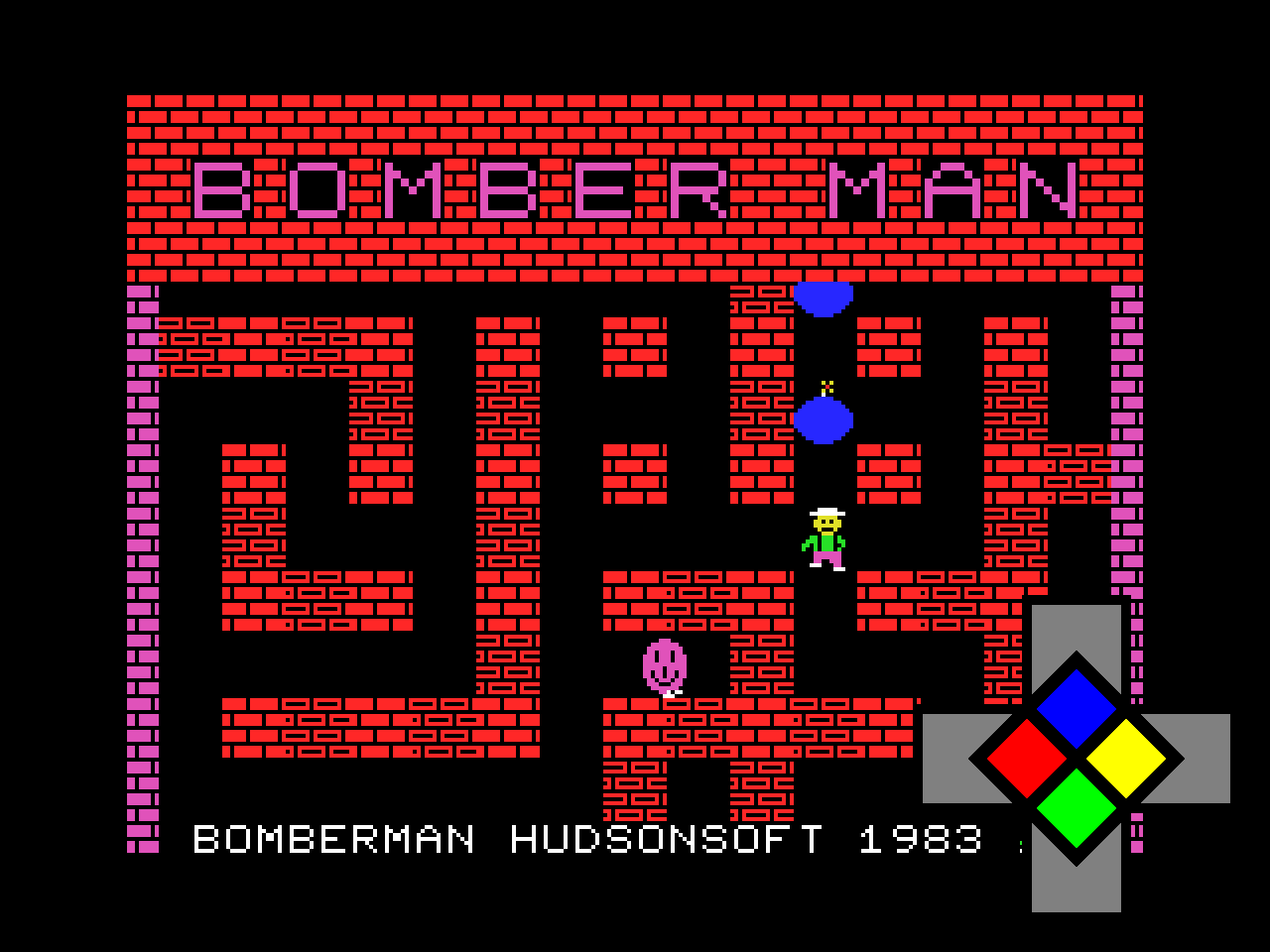
The Famicom version introduced the power-up system that became the series’ signature mechanic - and was absent from the 1983 PC-88 original. Defeated enemies and destroyed soft blocks could reveal items: Bomb Up (additional placeable bombs), Fire Up (extended blast radius), and Speed Up (faster movement). These items transformed a static puzzle into something that built through each stage. Players who collected power-ups gained advantage; players who collected too many blast-radius extensions risked trapping themselves in their own explosions.
The self-limiting quality of the power-up system was the key design insight. A longer blast radius was powerful but dangerous - it caught the player in blasts intended for enemies. Speed Up made traversal easier but made timing bomb placements harder. Every advantage carried a countervailing risk, keeping the game balanced as the player grew stronger through a level.
The Power-Up That Made You Your Own Enemy
The power-up system required no advanced hardware technique - it was a design decision, not a technical one. Its elegance lay in how it modelled Bomberman’s dual identity: the player was the primary threat, and also the most likely casualty of that threat. This inversion of the typical action-game power fantasy - where growing stronger made the game easier - created a distinctive tension that subsequent entries preserved intact through 40 years of design iterations. No other franchise has maintained a core mechanic this consistently across so many generations.
Solid Sales, No Sign of What Was Coming
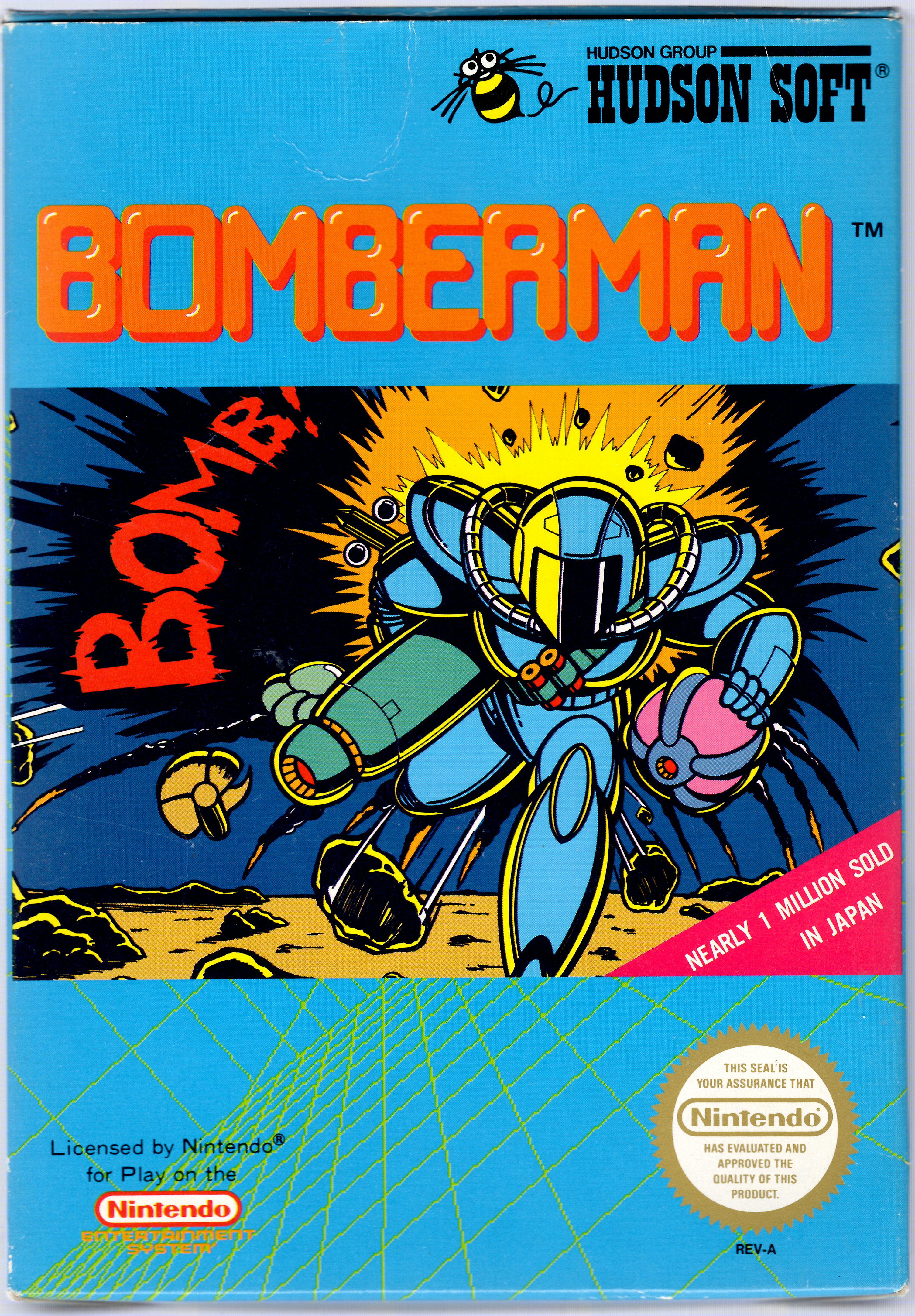
Bomberman on Famicom achieved modest commercial success. Sales were not exceptional in a crowded marketplace, but the game found a consistent audience. The North America NES release (1987) introduced the series to Western players for the first time. Contemporary North American gaming press gave it positive but unremarkable coverage - it was a solid puzzle-action game without the multiplayer dimension that would later define the franchise. The game’s significance was retrospective: reviewers in 1985 had no way to know they were playing the ancestor of one of gaming’s most enduring party experiences.
The Power-Up Template That Ran Forty Years
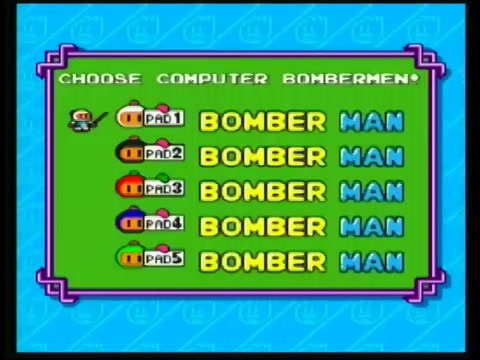
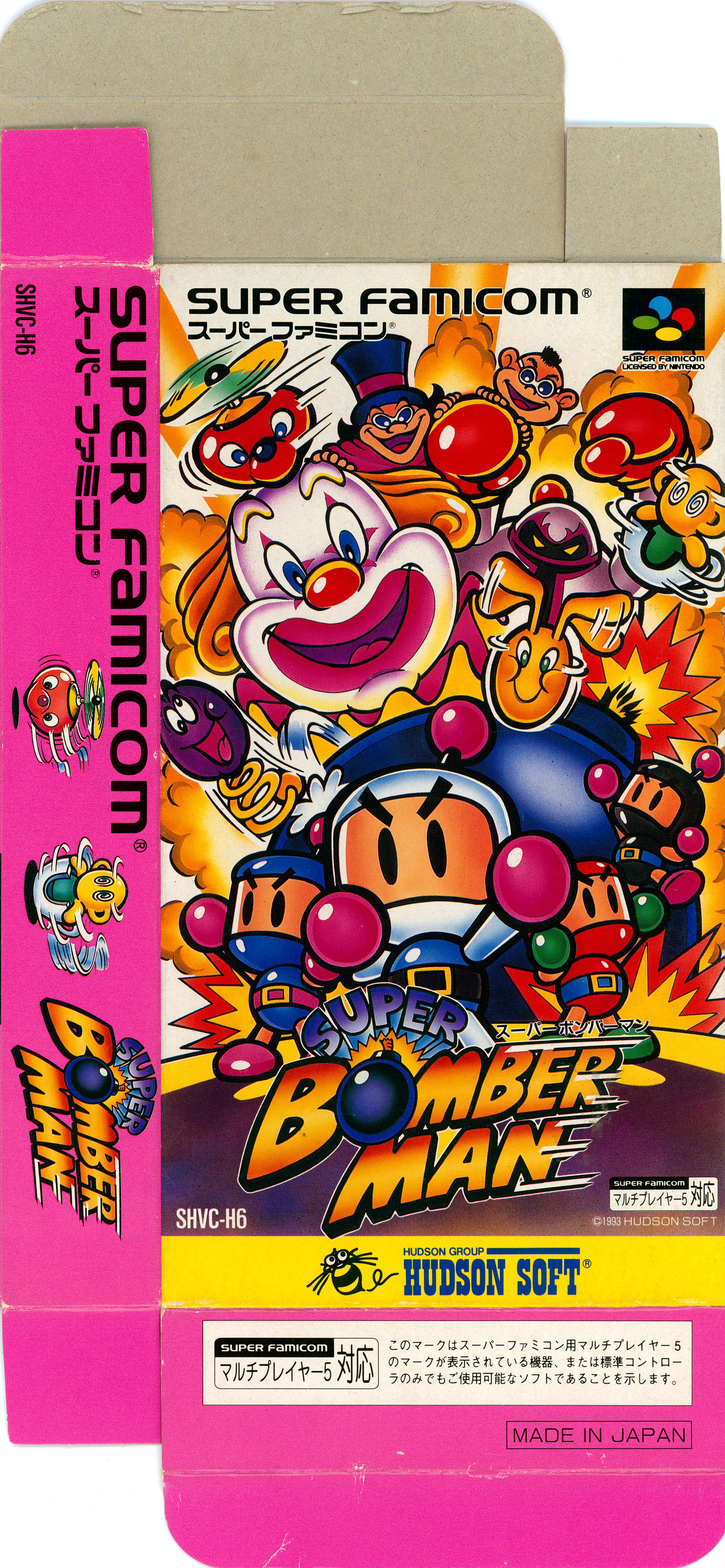
The Famicom version’s power-up template was carried into every subsequent Bomberman release. Bomberman II (Famicom, 1991) built directly on this foundation and introduced the first primitive 2-player competitive mode - the earliest precursor to the 5-player battle format that defined Bomberman ’93. The NES release also established Bomberman as a cross-platform franchise before that concept was widely understood: within two years of the PC-88 original, Hudson had brought the game to Famicom, MSX, and other Japanese home computers. See the full catalogue for the complete Bomberman platform history and the People page for the Hudson team behind these releases.