Final Fantasy I–VI

Six games, two platforms, seven years. From the desperate debut of 1987 to the acknowledged masterpiece of 1994, these are the titles that built the Final Fantasy franchise and shaped the Japanese RPG as a genre. Filter by platform or browse all.

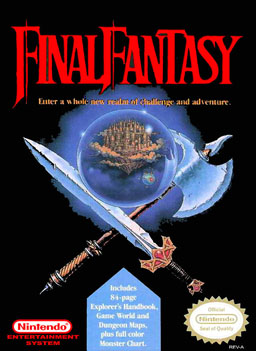
Final Fantasy I box art

Final Fantasy

1987

NES

The game that saved Square. Released in December 1987, Final Fantasy was the company's last throw of the dice. Four Light Warriors restore the elemental crystals to defeat the forces of darkness. Sold over 400,000 copies in Japan and launched a franchise.

Key Innovation Six selectable character classes; a complete world with history and mythology; Yoshitaka Amano's distinctive character art and Uematsu's 16-track score.
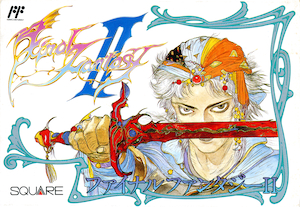
Final Fantasy II Japanese Famicom box art

Final Fantasy II

1988

NES

The experimental sequel. Abandoned the class system entirely for usage-based stat growth: use swords, your sword skill improves; take hits, your HP grows. Introduced named protagonists and a villain (the Emperor) who wins at the story's midpoint. Never released in the West on NES.

Key Innovation Usage-based stat growth; named protagonists with defined backstories; first Final Fantasy with permanent character consequences.
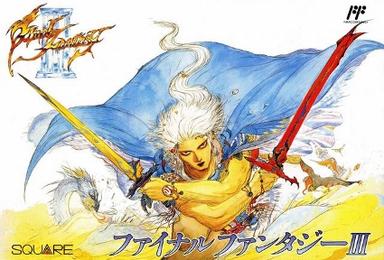
Final Fantasy III Japanese Famicom box art

Final Fantasy III

1990

NES

The technical peak of NES Final Fantasy. Introduced the Job system — 23 jobs, freely switchable — and the first summon magic in the series. Best-selling Famicom game of 1990 in Japan. Never released in the West until the DS remake in 2006.

Key Innovation Full Job system with 23 classes; first summon magic (Shiva, Ifrit, Titan); multiple airships with different capabilities.
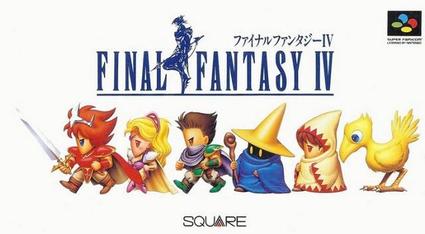
Final Fantasy IV box art

Final Fantasy IV

1991

SNES

The breakthrough. Introduced the Active Time Battle system — real-time urgency within a turn-based framework. Cecil Harvey's arc from dark knight to paladin was the series' most emotionally sophisticated story to date. Released in North America as “Final Fantasy II”.

Key Innovation Active Time Battle (ATB) system; fixed narrative party with defined character arcs; first truly romantic subplot in Final Fantasy.
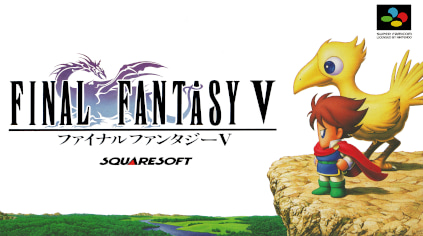
Final Fantasy V box art

Final Fantasy V

1992

SNES

The job system masterpiece the West nearly missed. Twenty-two jobs with cross-class ability carrying creates almost limitless character customisation. Square declined to localise it, citing complexity — a decision they later acknowledged was wrong. Western fans who found it via imports rate it among the finest RPGs ever made.

Key Innovation 22-job system with ability carrying between jobs; Blue Mage learning enemy abilities; two connected worlds that merge midgame.
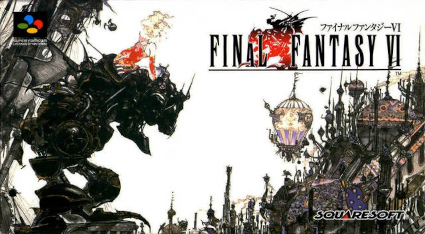
Final Fantasy VI box art

Final Fantasy VI

1994

SNES

The masterpiece. Fourteen playable characters; a villain who wins and destroys the world at the game's midpoint; the opera house scene that consumed a third of the cartridge's memory. Widely regarded as the pinnacle of 16-bit RPG design. Released in North America as “Final Fantasy III”.

Key Innovation 14-character ensemble cast; villain who destroys the world mid-game; the opera house sequence; Esper magic system via equipped magicite.