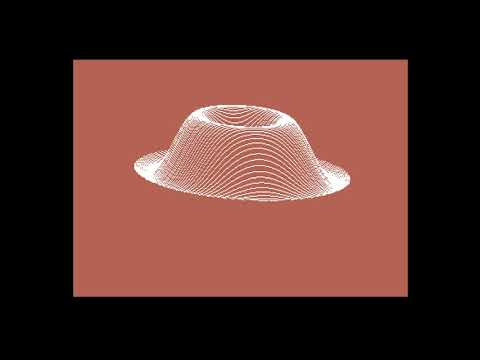
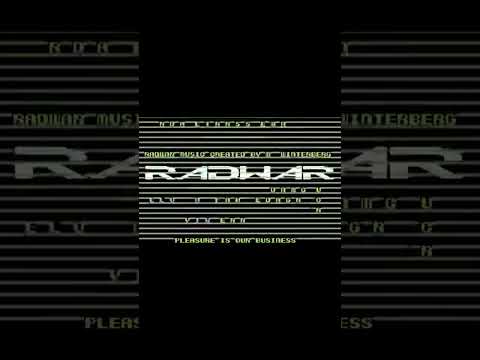
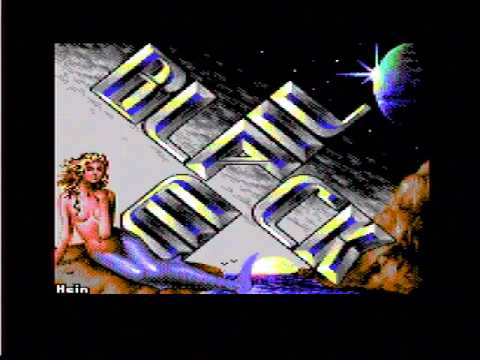
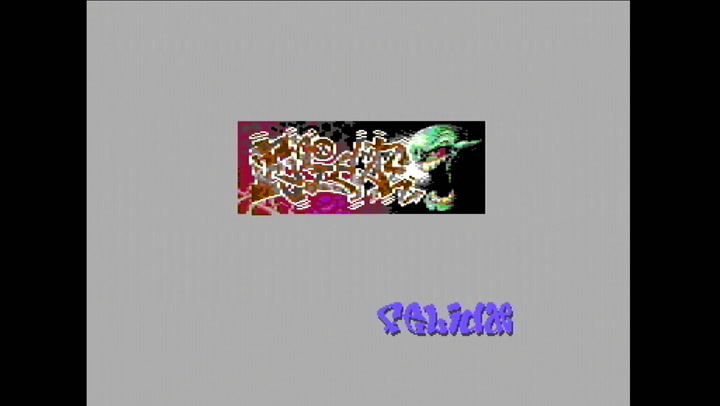
The Commodore 64 arrived in stores in August 1982. Within months, groups distributing copied software in Europe had started appending short animated screens to the programs they cracked. These "cracktros" - introductions attached to cracked software - were functional calling cards: a scrolling text message naming the group, some colour cycling on the border, occasionally a music routine. They were not intended as art. They were signatures.
The context was an active software copying culture, particularly strong in West Germany, Sweden, and the Netherlands. Games arrived on floppy disks costing substantial sums; groups that removed copy protection and distributed alternatives built reputations through both the speed of their releases and the visual style of their screens. The cracktro was advertising and bragging rights simultaneously.
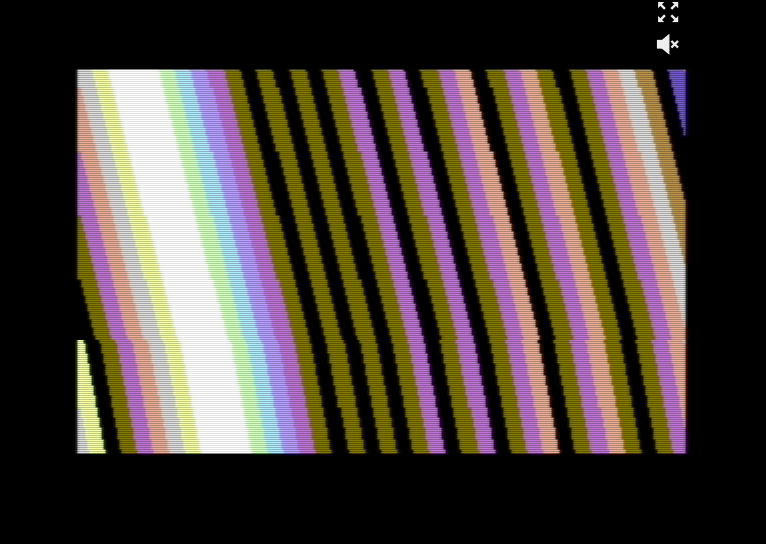
Groups like 1001 Crew from Germany were among the earliest to develop recognisable screen aesthetics. Their scrolling text and colour bar routines were primitive by later standards but established the format that would evolve into full demo productions. The key discovery of this period was that the C64's VIC-II chip could be manipulated at cycle-level precision to produce effects its designers had not documented: coloured borders, smooth hardware scrolling, and raster-timed colour changes that swept the screen in real time.