Blackmail / 1991 / Netherlands
Dutch Breeze
The demo that pinned a year to the golden era.
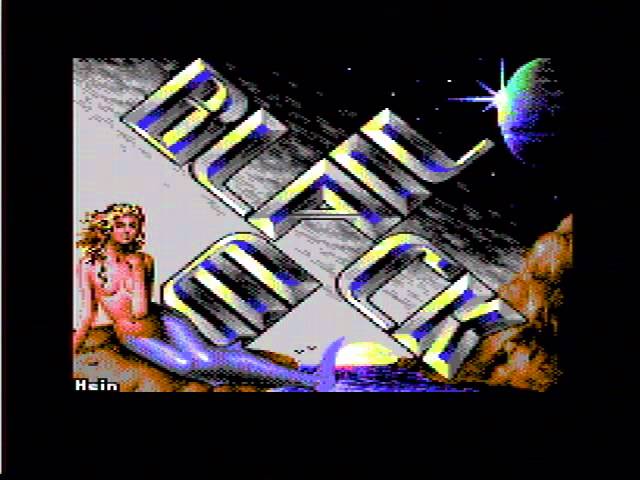
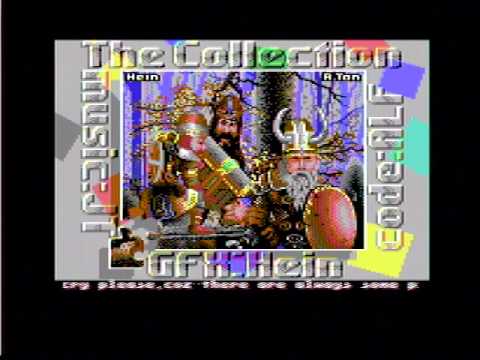
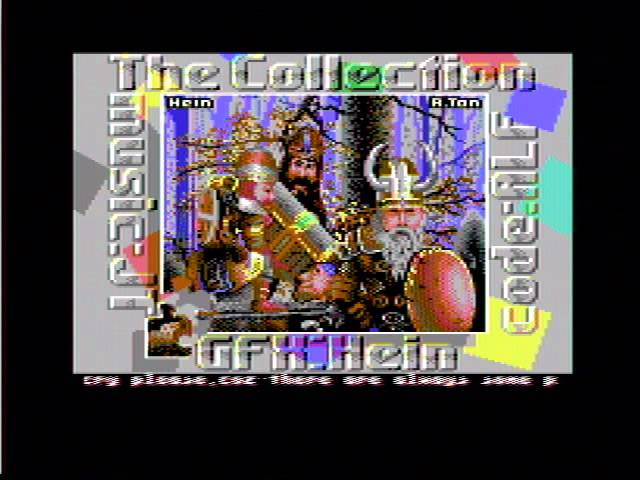
Dutch Breeze on Real Hardware (Part 1)
Dutch Breeze on Real Hardware (Part 2)
1991 and the Bar Gets Set
Dutch Breeze arrived at a moment when the golden era was at full intensity. The C64's commercial lifespan was winding down -- Amiga had already claimed much of the gaming market -- but sceners were accelerating rather than stopping. Dutch Breeze by Blackmail is a snapshot of what the Dutch scene could produce at that pressure point: a demonstration of raster interrupt choreography, hardware scroller technique, and SID musicianship assembled into a single continuous production.
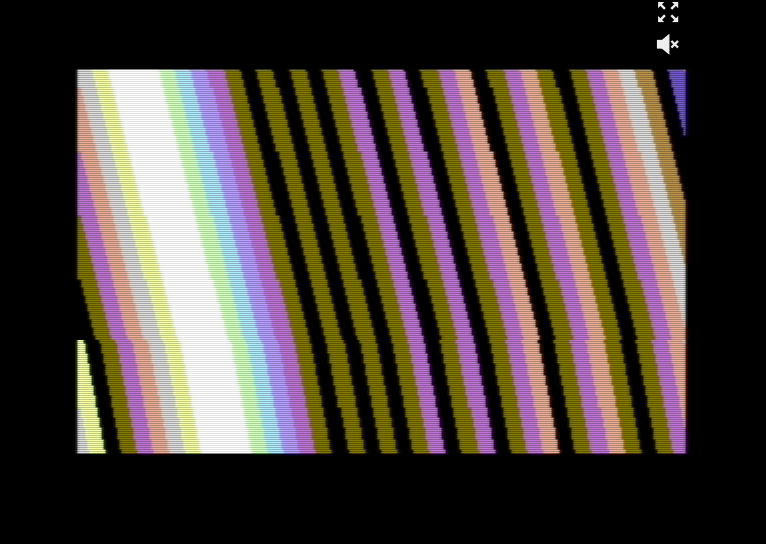
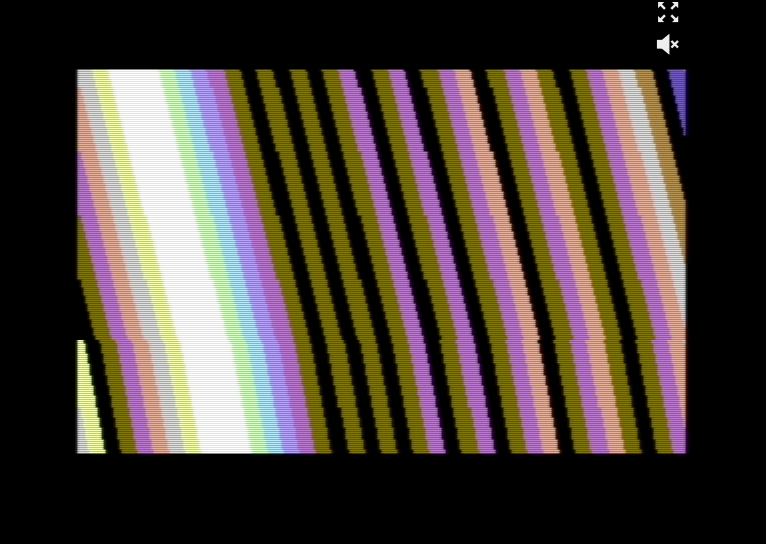
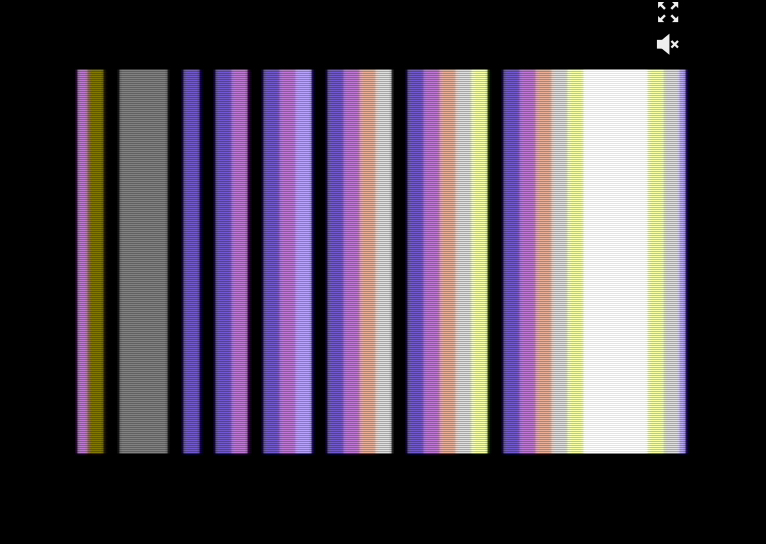
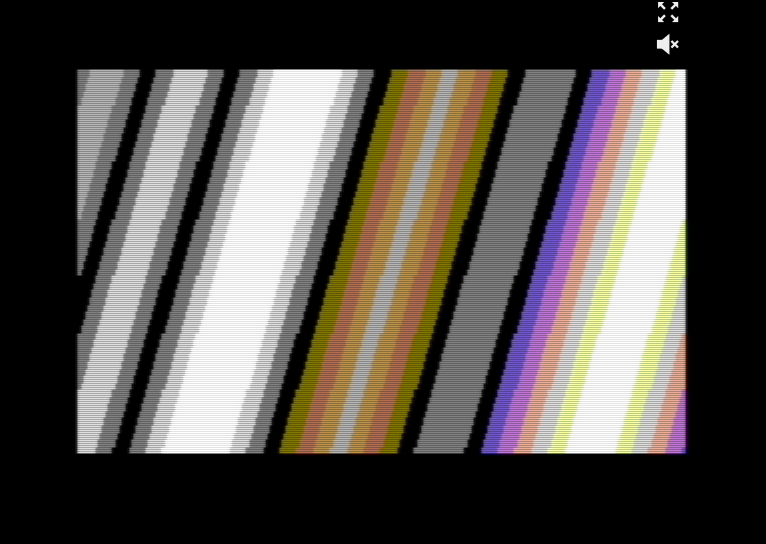
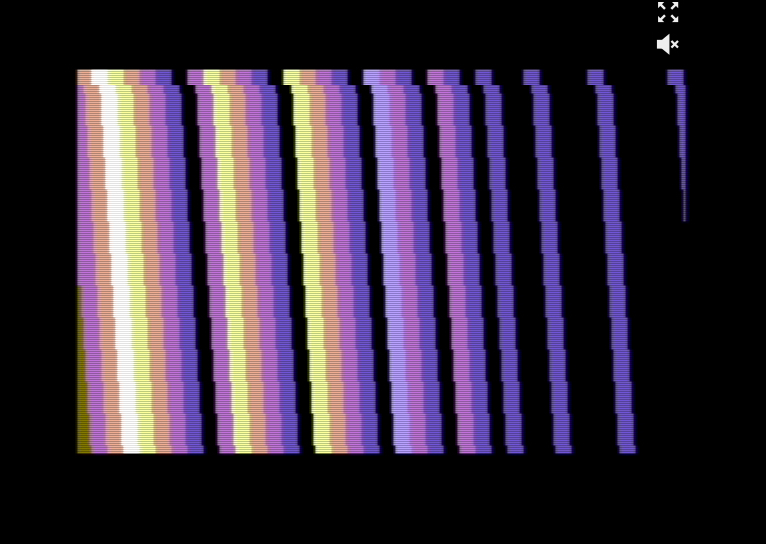
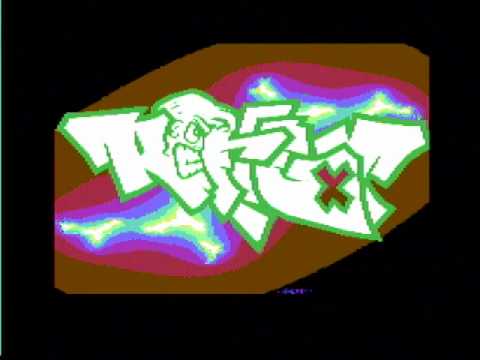
The demo opens with a raster section that moves coloured bars across the screen with the mathematical precision that the C64's VIC-II chip makes possible when you understand its exact line timing. The bars are not animated by changing sprite data. They are the result of reprogramming the VIC-II border and background colour registers at exact CPU cycle counts on each raster line, so the hardware itself paints the colour. That is the foundation of golden-era demo aesthetics: the hardware does the drawing; the code does the timing.
Inside the Machine: How Blackmail Made Dutch Breeze
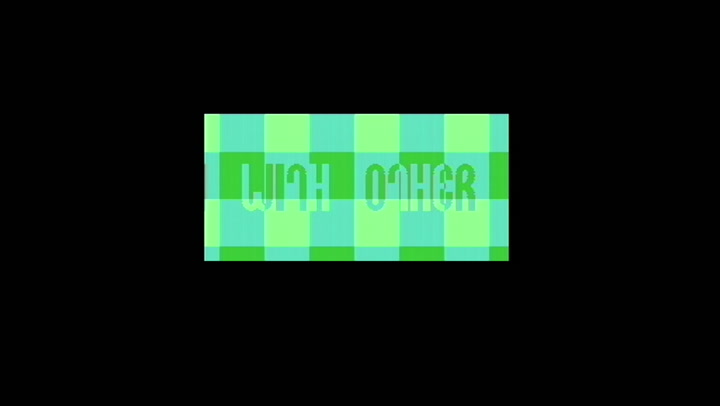
Dutch Breeze is built from the techniques that defined the early-1990s C64 production toolkit. Raster interrupts fire at exact scanline positions to reprogram hardware registers. The scroller advances by one character cell per frame and redraws the rightmost column from a text buffer, using the hardware's built-in smooth scroll register to animate the sub-character position. Sprites run as visual signatures and accent elements, multiplexed to exceed the VIC-II's hardware limit of eight on screen simultaneously.
The SID score ties the sections together. A three-voice arrangement plays continuously, with the bass line keeping the tempo locked to the demo's visual pacing. The composition does not change dramatically between sections -- this is golden-era design where the music carries the production's continuity while the code delivers the visual variety.
Raster by Raster: The Technical Picture
The core technique in Dutch Breeze is stable raster interrupt positioning. The 6510 CPU runs at approximately 1 MHz on PAL hardware; each raster line takes exactly 63 CPU cycles. By setting the VIC-II's raster interrupt register to fire at a specific line number, and then counting cycles within the interrupt handler, a coder can write to the colour registers at pixel-exact positions. The result is colour changes mid-screen with no visible tearing -- the hardware draws the colour before the electron beam has moved past that position.
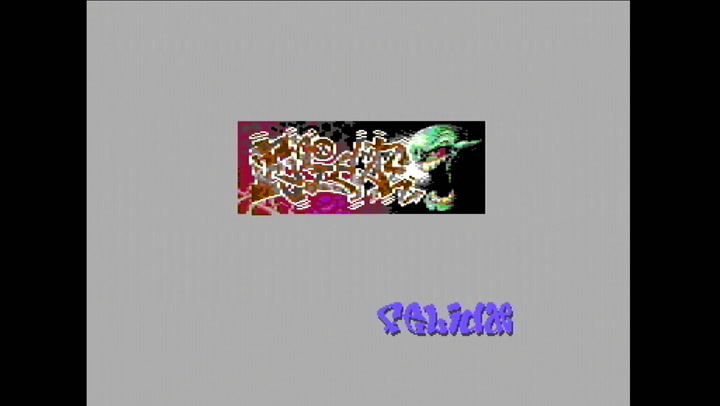
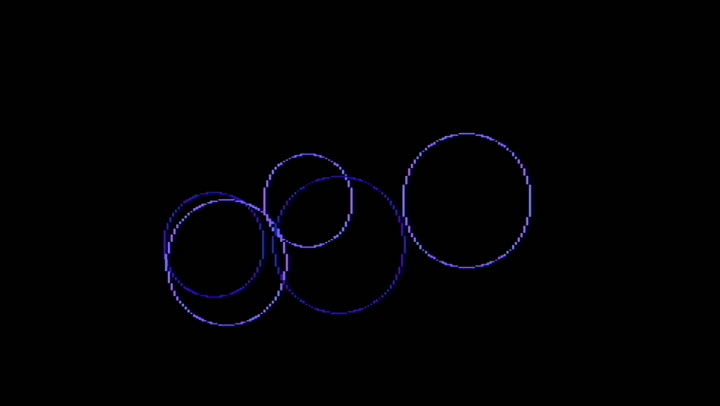
Sprite multiplexing extends the eight-sprite hardware limit by sorting sprites by Y position and reusing the sprite data registers as the beam sweeps down the screen. A multiplexer interrupt fires between sprite groups, reassigns sprite positions and pointers, and lets the hardware draw another set before the previous frame is complete. Dutch Breeze uses this technique in its sprite accent sections where visual elements overlap without flicker.
The combined result -- raster colour timing, hardware scrollers, SID score, sprite multiplexing -- is not a special feature of the hardware. It is a consequence of understanding every cycle the hardware spends drawing a frame and inserting code into the gaps the VIC-II leaves while it is busy with its own rendering pass.
The Score
Dutch Breeze uses the SID chip's three voices in the standard golden-era arrangement: melody, counter-melody, and bass. The filter is engaged on the lower voices to give the bass a warmer, more rounded character against the brighter melody voice. The composition loops over the demo's full runtime without becoming fatiguing -- a significant compositional achievement given the three-voice constraint. The SID score is the emotional anchor of Dutch Breeze; the code delivers the spectacle, but the music is what you remember.
What the Scene Said at the Time
Dutch Breeze circulated at European copy parties and through the postal swapping networks that distributed scene software in the early 1990s. Its reputation built through word of mouth among sceners who had seen it run on real hardware and could recognise the raster timing precision from their own coding attempts. The demo appeared on CSDb's historical listings with consistently high placement among 1991 productions, reflecting a reassessment that became clearer as the historical record solidified in the 2000s.
"The Dutch group's ability to time interrupts to within a cycle or two was what separated their work from everyone else's at that point. Dutch Breeze showed that precision." Scene retrospective on the 1991 golden era -- CSDb user commentary, accessed 2026-06
A Demo That Survived the PC Transition
Dutch Breeze is still shown at retro computing events and C64 demoparty retrospective screenings. The techniques it demonstrates -- raster interrupt timing, sprite multiplexing, hardware scrollers -- are the same techniques that later productions refined and extended. Understanding Dutch Breeze is part of understanding how the C64 demo scene built its knowledge base: each production added to a shared technique library that the next group could reference, extend, and challenge. The demo is on YouTube (recordings foQ3TBQ8kQM and 9lC8TgRTzu0, both on real hardware), in the HVSC SID archive, and indexed at CSDb and Demozoo.