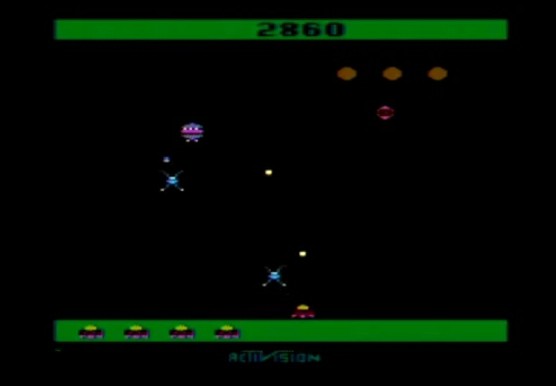
Artists Who Signed Their Work
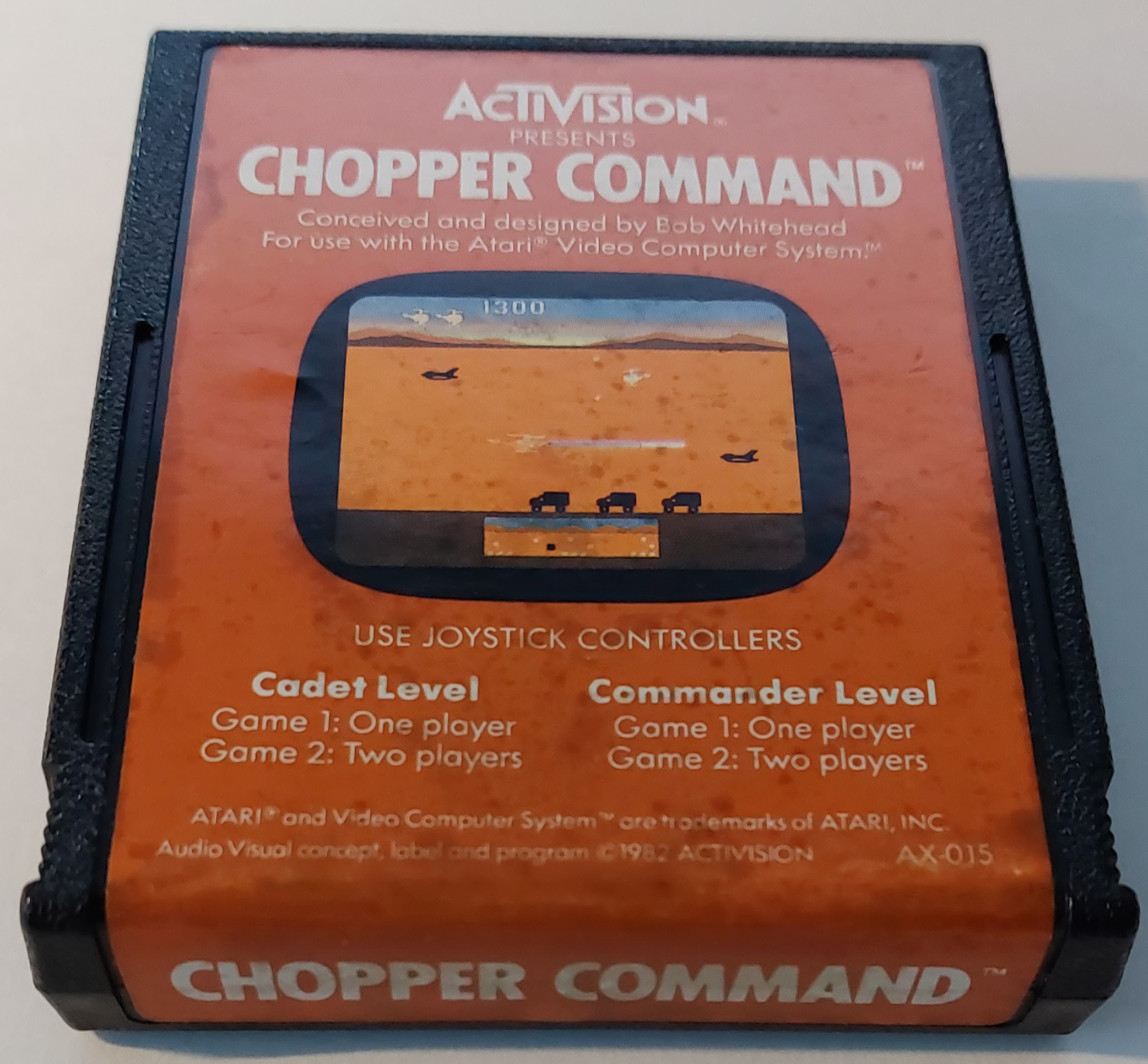
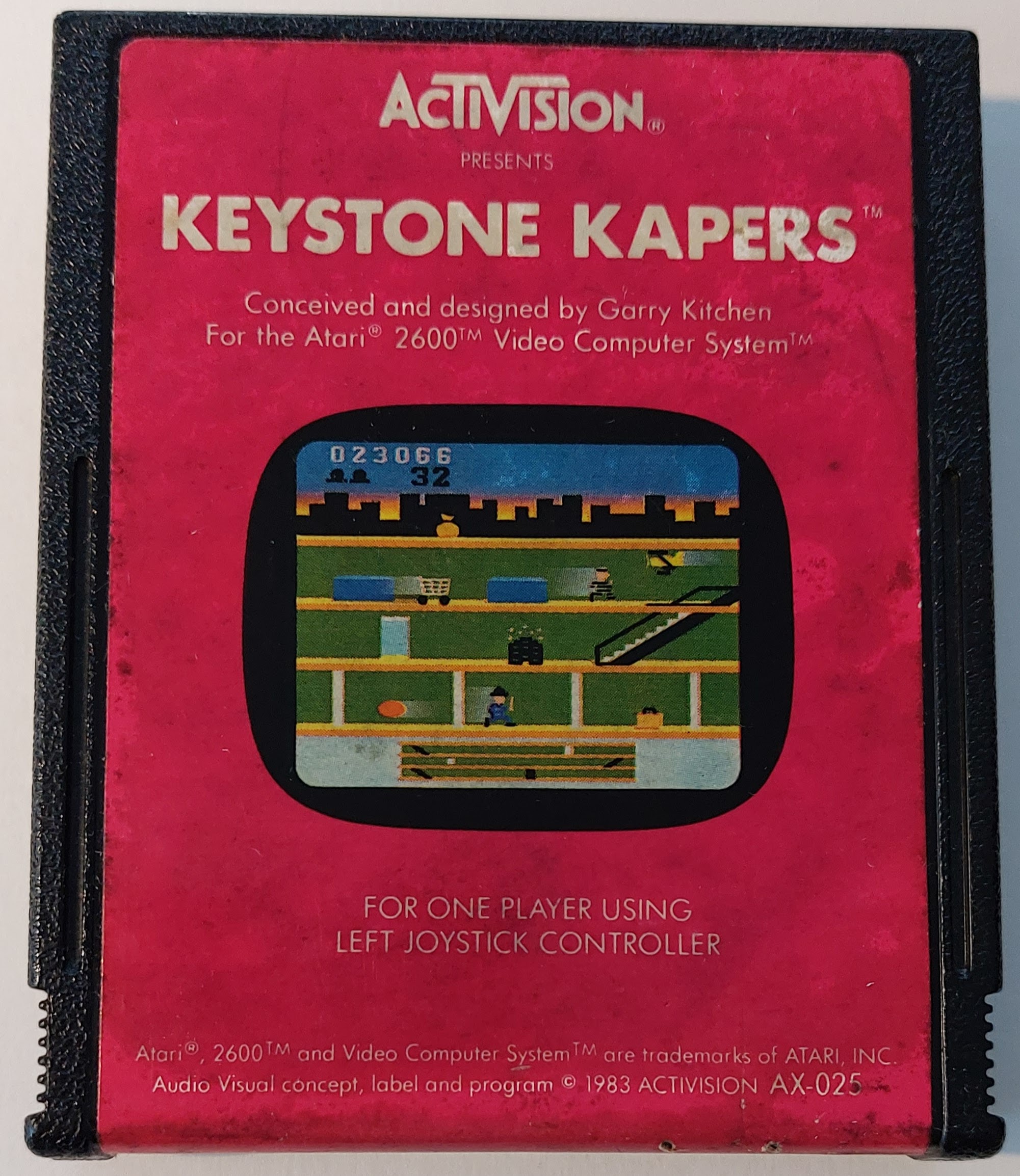
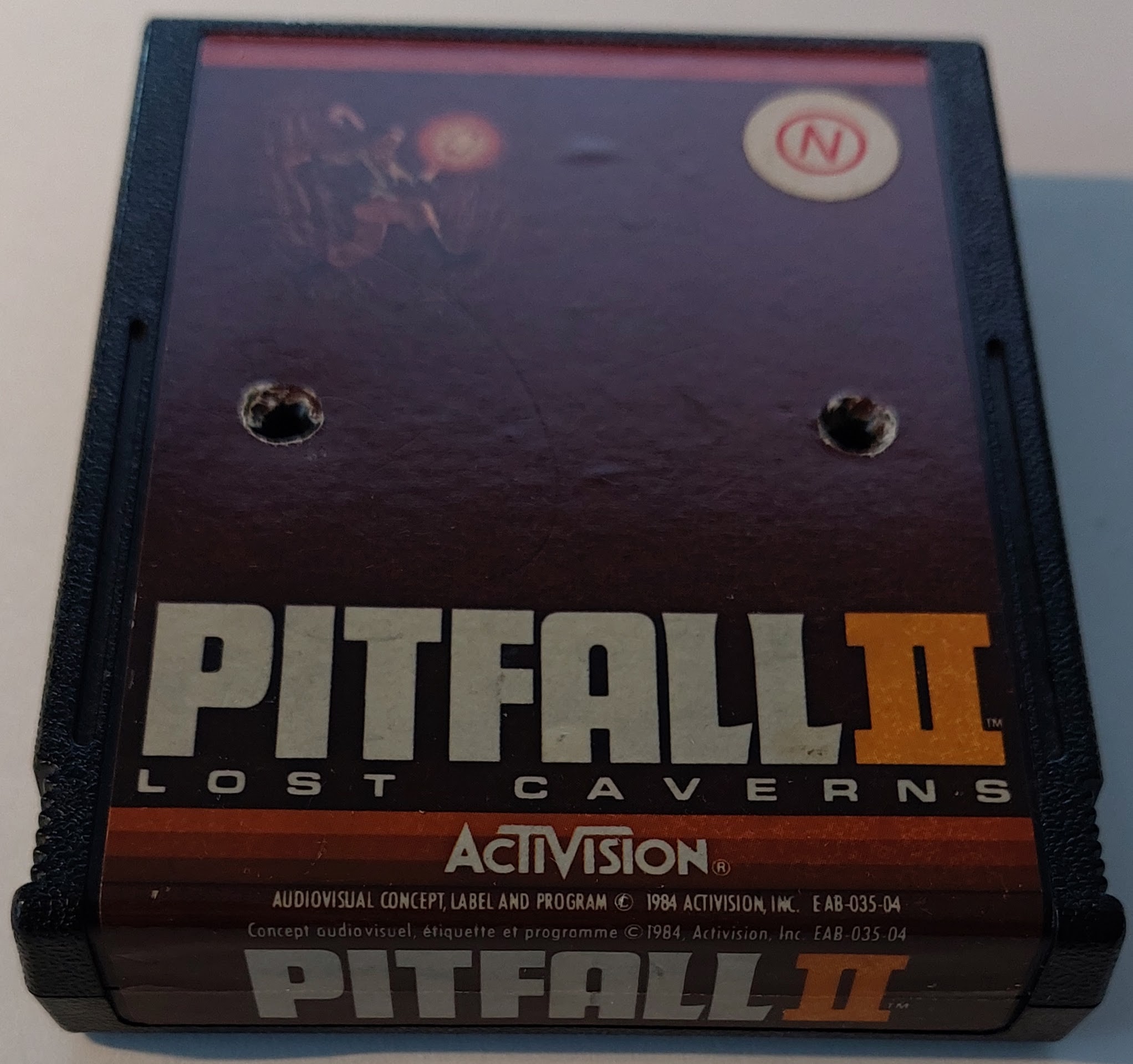
In 1979, four Atari programmers - David Crane, Alan Miller, Bob Whitehead, and Larry Kaplan - discovered they had collectively generated 60% of Atari’s cartridge revenue while earning flat salaries with no credit and no royalties. They walked out and built something new.
The First of Their Kind
Activision, incorporated on October 1, 1979, was the world’s first independent third-party console video game developer and publisher. Before Activision, the hardware maker controlled everything. After Activision, the entire games industry was possible.
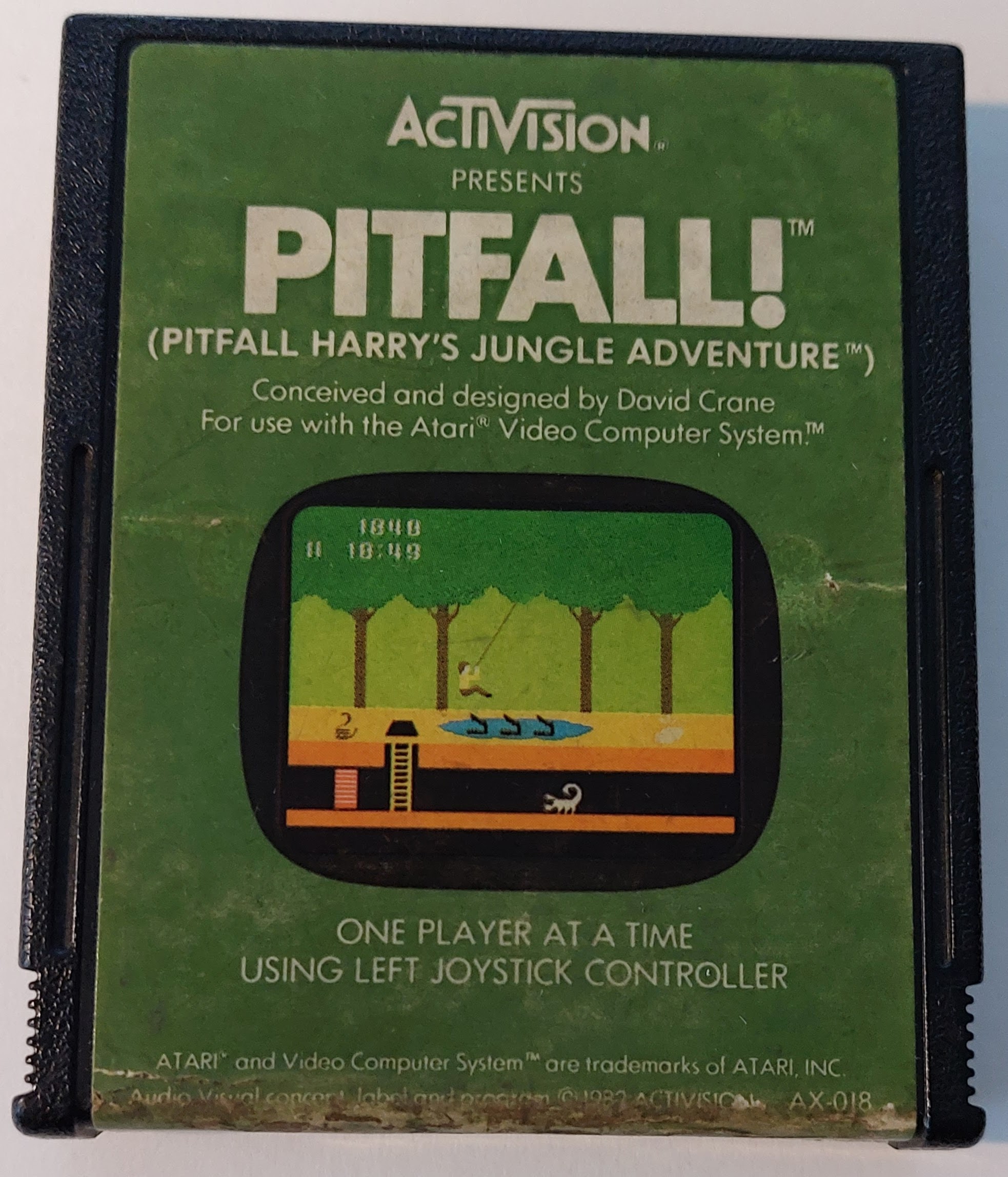
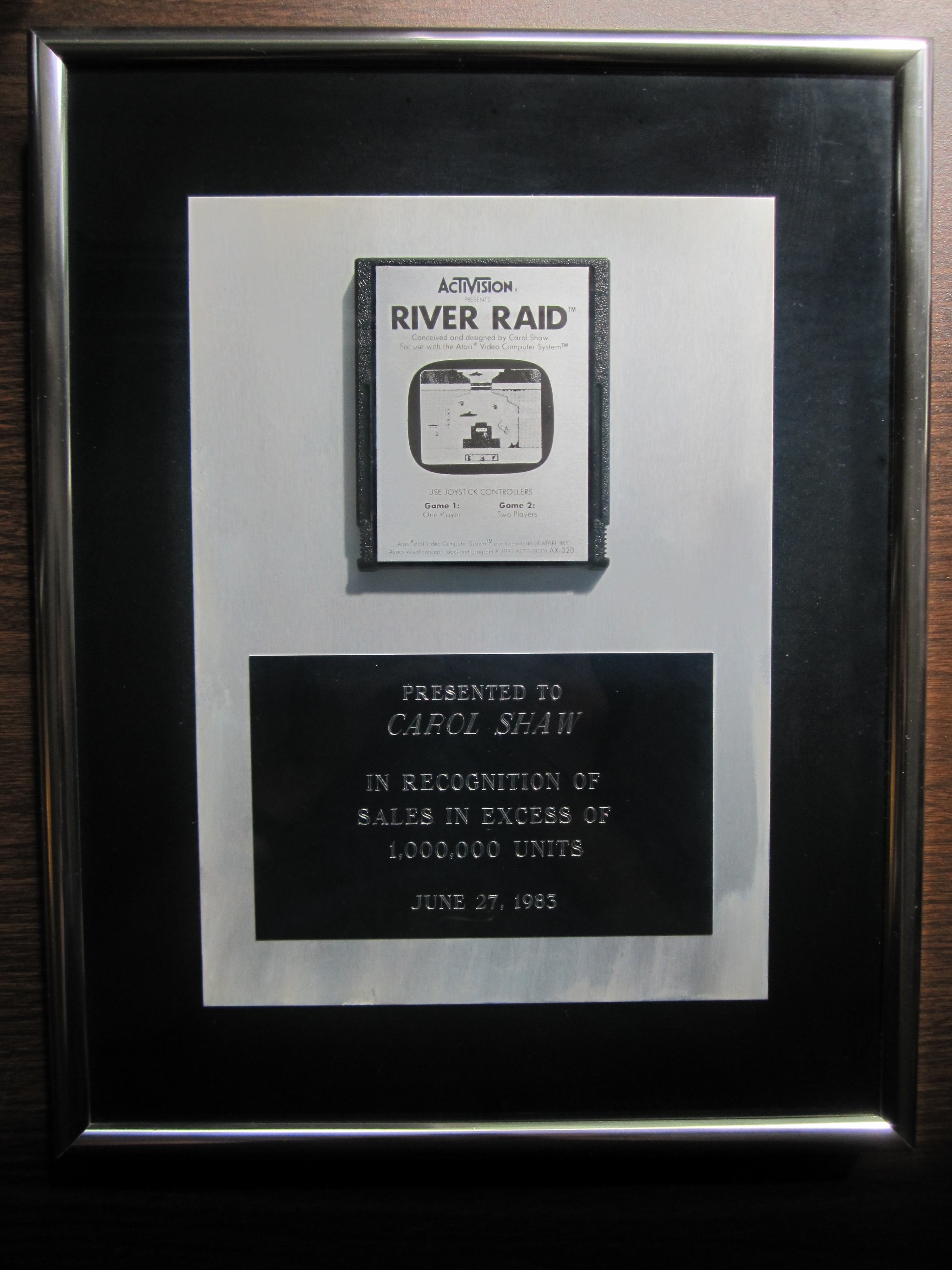
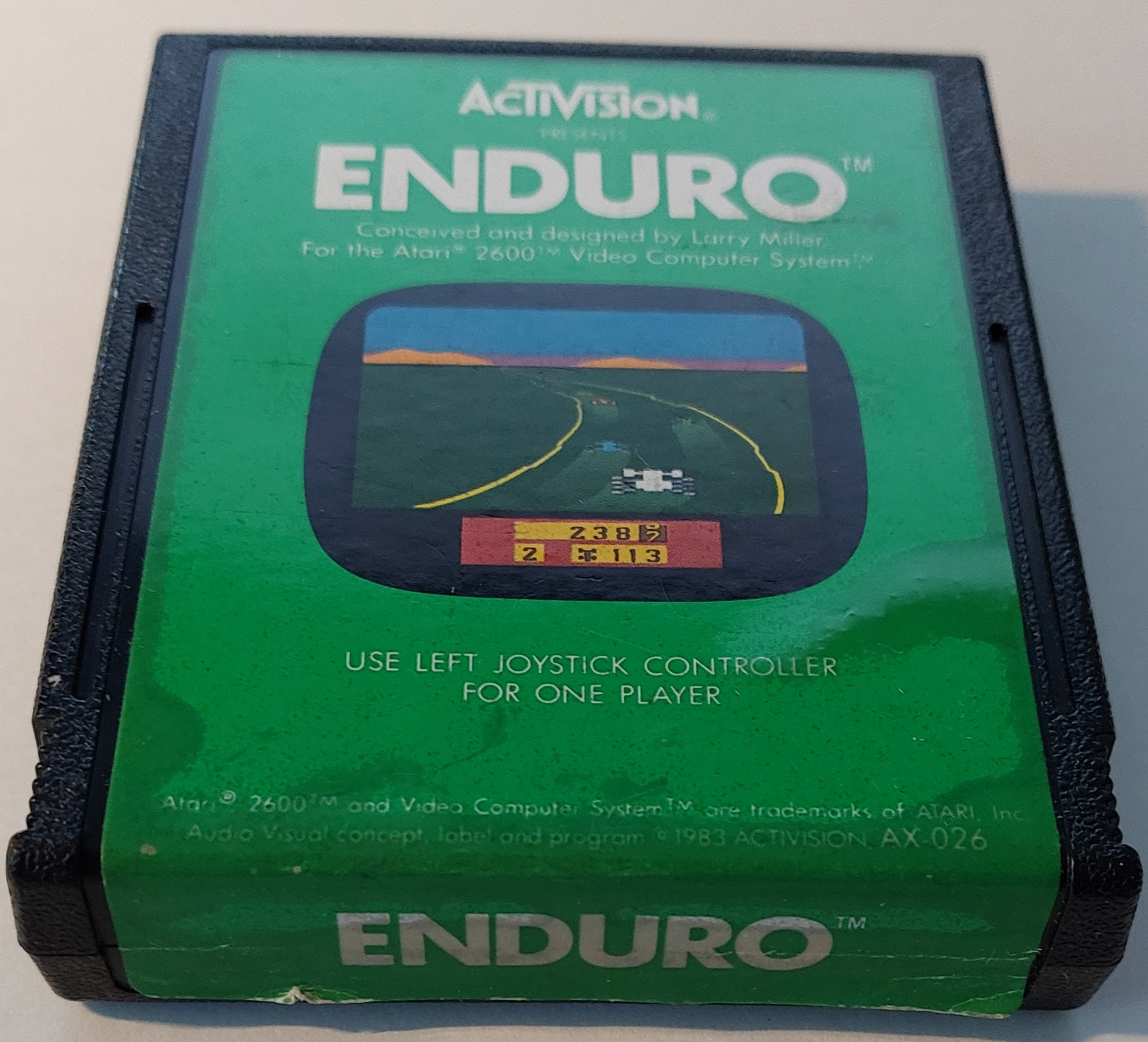
CEO Jim Levy - recruited from the music industry - brought a radical idea: treat game designers the way record labels treat musicians. Give them screen credit. Give them royalties. Put their faces in the instruction manuals.
When Atari sued them for $20 million, alleging trade secret theft and patent infringement, Activision fought back. The 1981 settlement didn’t just save the company - it legally established that third-party software development was possible. Within months, dozens of companies entered the 2600 market. The entire modern games industry traces its legal legitimacy to that ruling.

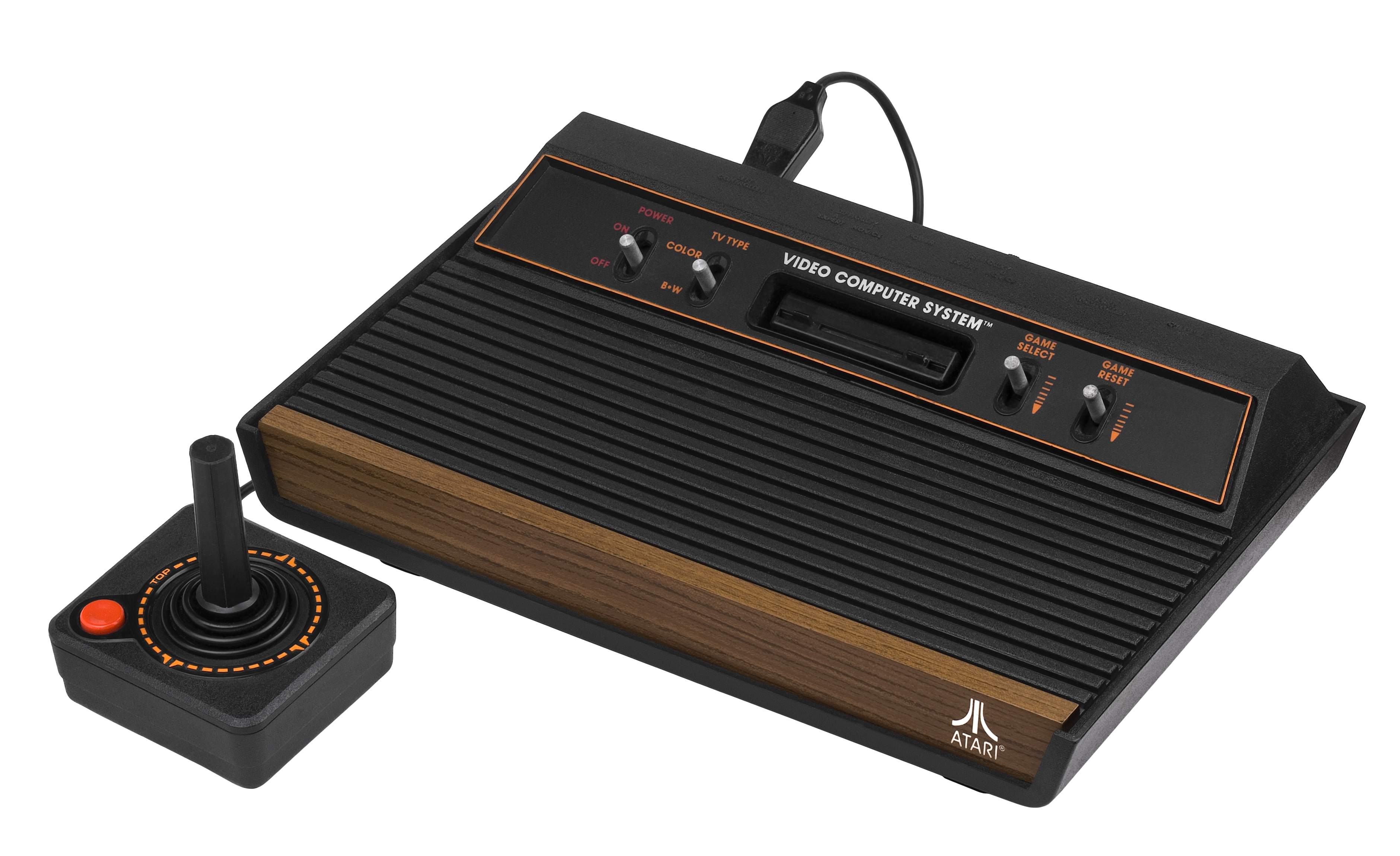
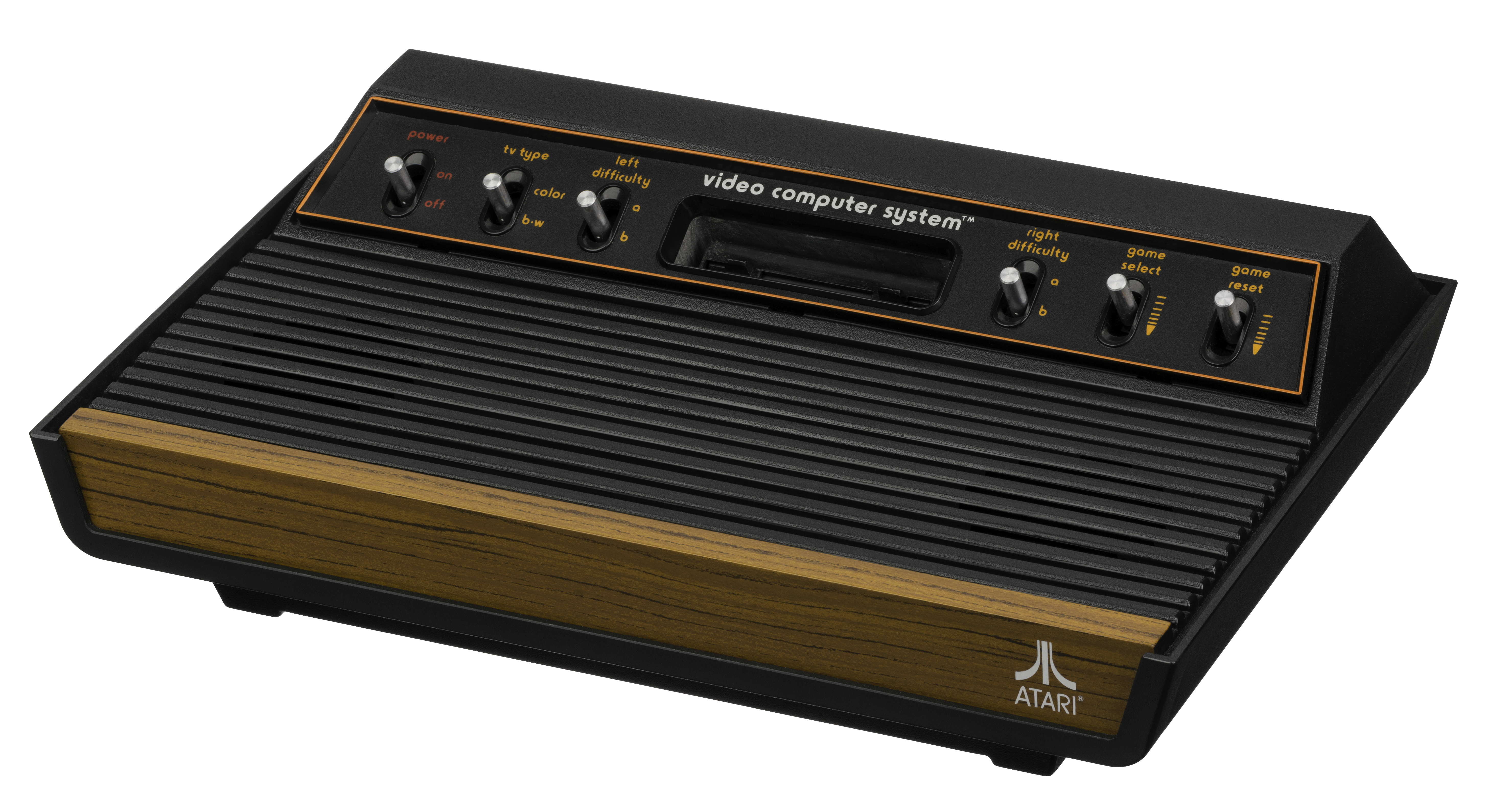
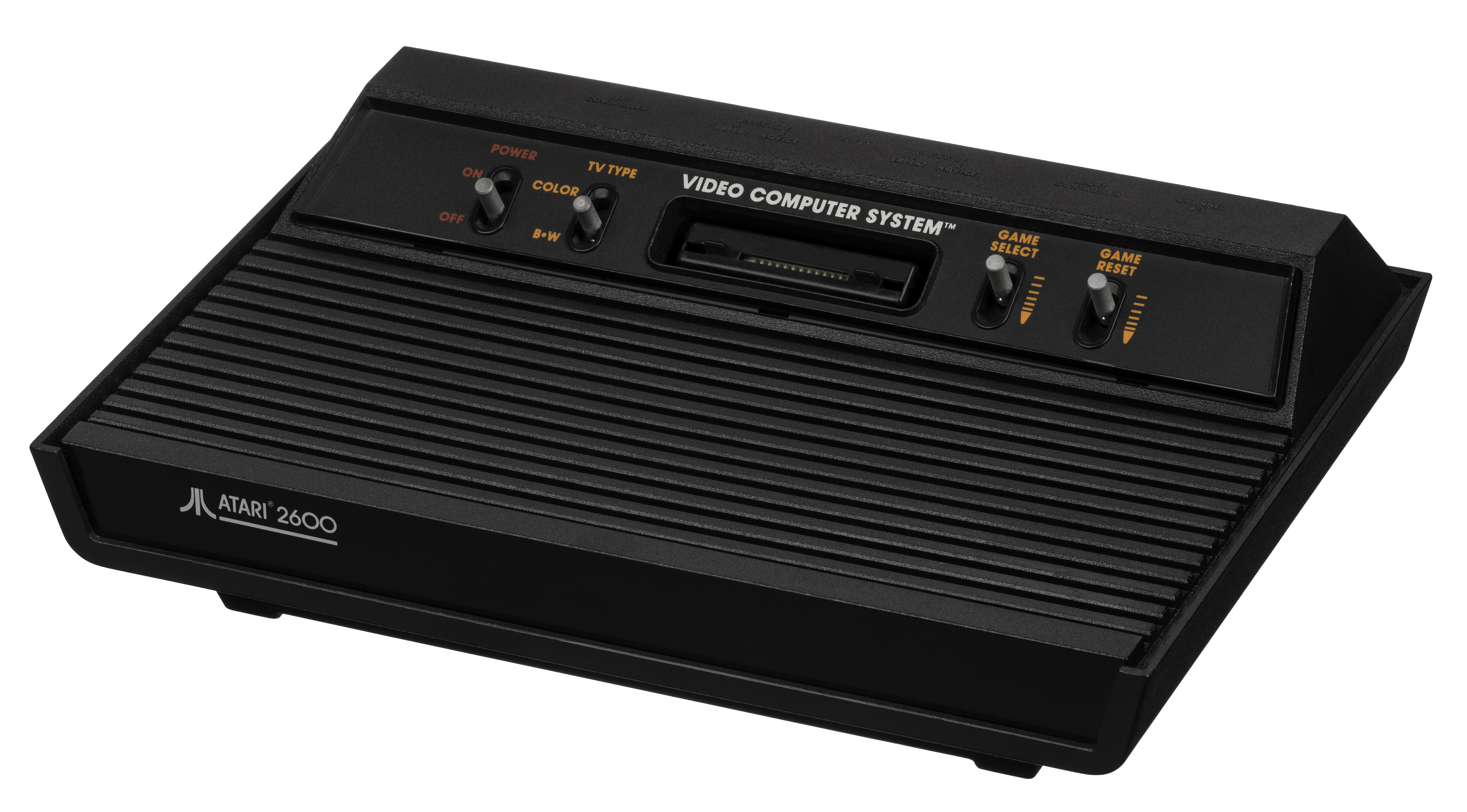
The three major Atari 2600 variants - the Woody, the Light Sixer, and the Vader - all supported the same cartridges that made Activision famous.
Watch
The story of Activision, in the words of the people who built it.