A Spare Room in Witton
Geoff Brown and his wife Anne launched US Gold from their home in Witton, Birmingham in 1984. The company ran in parallel with CentreSoft, their software distribution business - that dual structure was deliberate. CentreSoft gave them relationships with every major UK retailer. US Gold used those relationships to get American licensed games onto British shelves faster than any competitor could manage.
The name was a statement of intent. "US" for the American titles they were licensing. "Gold" for the premium quality they promised. The British games market in 1984 was dominated by bedroom coders and tiny publishers. US Gold positioned itself differently from the start: bigger licences, bigger marketing, bigger box art.
Early titles came from Epyx, the California-based sports game specialist. Summer Games, Winter Games, World Games - the Epyx sports series gave US Gold a consistent catalogue of quality titles at a time when many British publishers were scraping together anything that would compile. See the full catalogue for the complete title list.
The Epyx Years and a Gauntlet-Sized Leap
The Epyx partnership made US Gold a genuinely significant force in European publishing. California Games in 1987 sold across every major format and became one of the defining multi-event sports games of the era - a genre Epyx had essentially invented with Summer Games in 1984. US Gold held the exclusive European rights to the entire series.
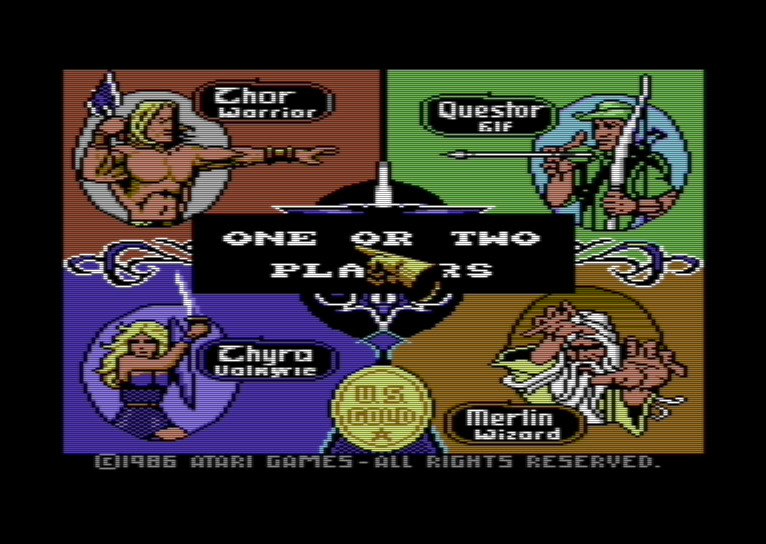
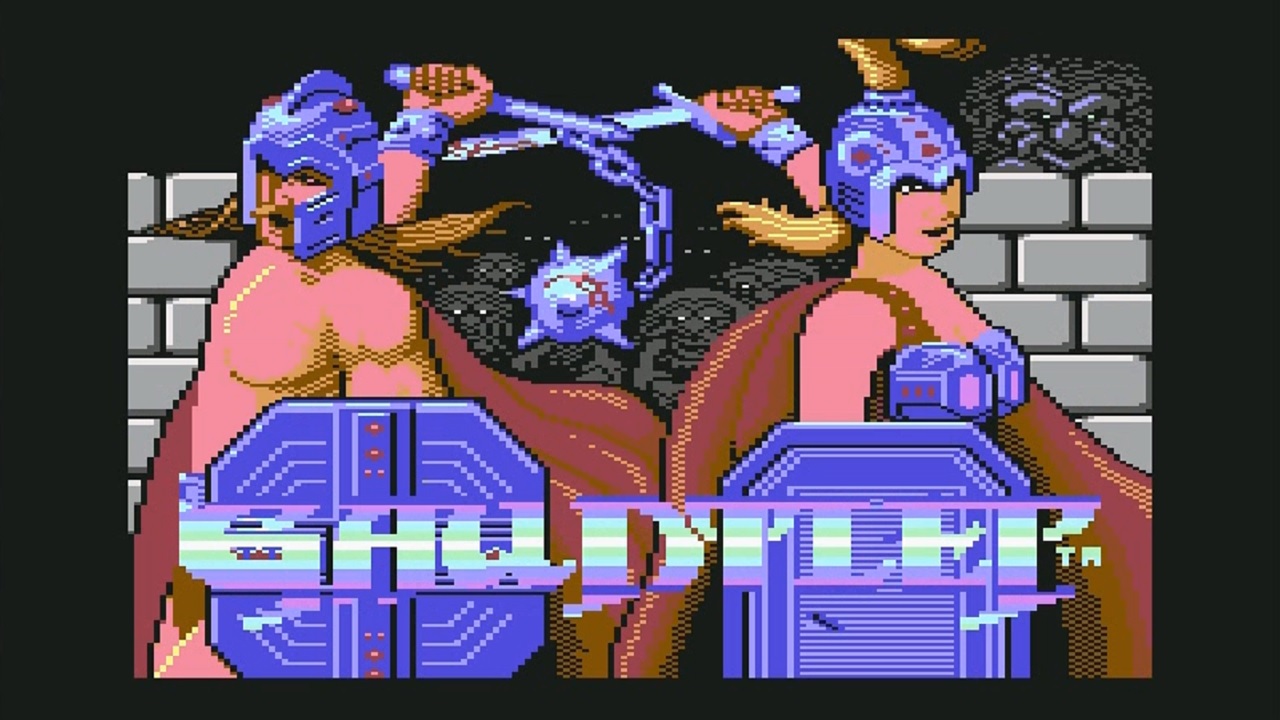
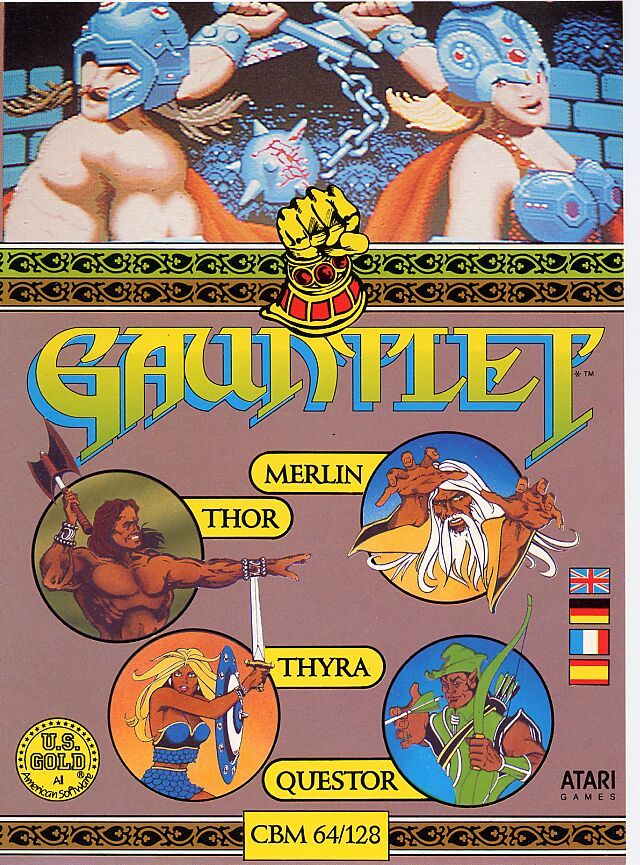
Gauntlet arrived in 1986, converting Atari Games' four-player dungeon crawler for C64, Spectrum, Amstrad and later Amiga and Atari ST. The conversion was handled by Gremlin Graphics and was technically accomplished for the hardware. The game won the British Golden Joystick Award for Game of the Year in 1986 - the same year US Gold took Software House of the Year.
By 1987 the company had also launched the GO! sub-label - a separate imprint for titles with larger ambitions. Trantor: The Last Stormtrooper was the first GO! release. The label never quite found its footing, but it showed that US Gold was thinking about brand architecture rather than just moving units.
Capcom Calls - and Everything Changes
The 1988 Capcom deal is the pivot on which the entire US Gold story turns. Bionic Commando, LED Storm, Street Fighter, Ghouls 'n Ghosts, Strider, Black Tiger, Forgotten Worlds - US Gold secured European home computer rights to the whole Capcom catalogue in one agreement.
Capcom in 1988 was producing some of the most technically ambitious arcade games ever made. Converting these titles for Amiga, Atari ST and C64 required specialist development skill. US Gold worked with external studios - Software Creations for Ghouls 'n Ghosts, Tiertex for several titles - as well as building its own internal capability through Core Design in Derby, founded the same year.
"Street Fighter II may look like a sequel to Street Fighter, but we actually challenged ourselves to create a new genre."
Yoshiki Okamoto, producer at Capcom - Gamest magazine, 1991, via shmuplations.com
The deal also gave US Gold the Golden Joystick Award for Software House of the Year in 1988. Back-to-back years. No publisher before or after has matched that run. Read more about the key people involved on the people page.
Street Fighter II and the Queues Around the Block
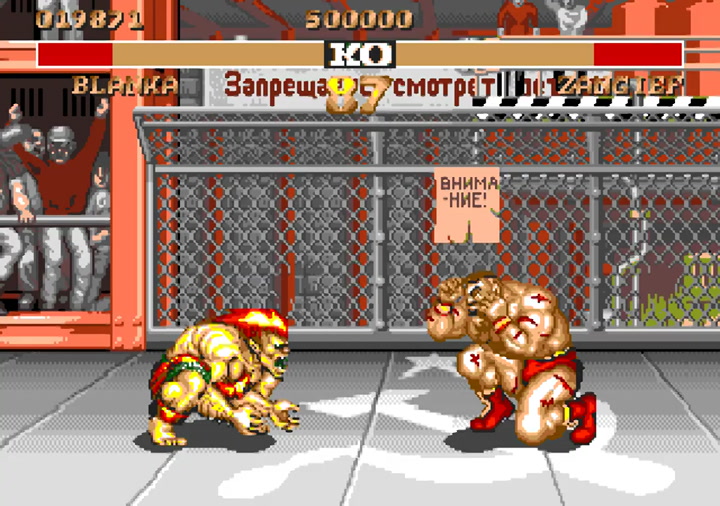
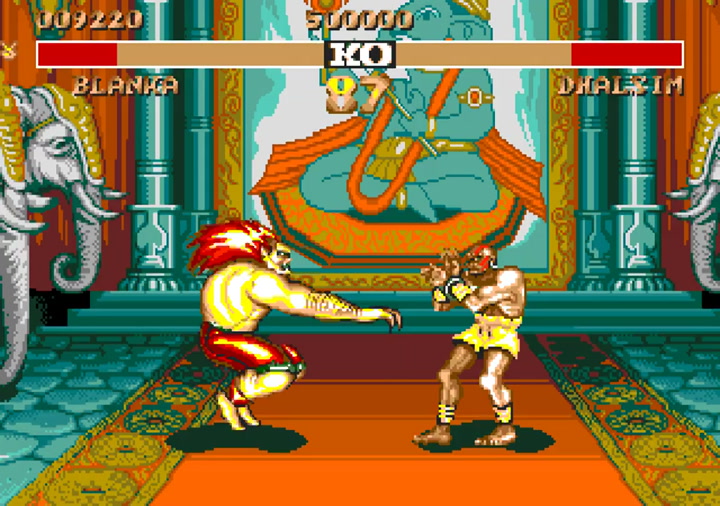
US Gold secured European home computer rights to Street Fighter II in 1991. The SNES version was already causing a frenzy - over 6 million units sold globally, the fastest-selling console game at the time. Tiertex were commissioned to develop the Amiga, Atari ST and DOS versions.
The Amiga release in 1992 was a cultural event. Pre-order queues formed outside game shops overnight. Boots and WH Smith sold out before midday. The game cost nearly three times the usual Amiga title price and still sold out. It was unprecedented for home computer software.
The Street Fighter II phenomenon marked the peak of US Gold's commercial power. No single title before or after moved units like this across every format simultaneously. Read the full editorial analysis on the flagship page.
From Documentary to Archive
Kim Justice's 2016 documentary covers the full company history with archival footage and contemporary accounts. The best single source on US Gold's rise and decline.
Core Design Grows Up, the Market Shifts
Core Design, founded by US Gold in Derby in 1988, had been producing licensed conversions from the start. By the early 1990s it had the scale and skill to attempt original development - a direction that would eventually define Eidos rather than US Gold.
The market itself was shifting. The arrival of the PlayStation and Saturn made 16-bit home computer publishing look like a rearguard action. The Amiga and Atari ST audiences were fragmenting. The Capcom pipeline continued - US Gold published Capcom titles throughout the mid-1990s - but the commercial context had changed entirely. The Kixx budget reprint label gave older catalogue titles a second life at lower price points, but it was not a growth strategy.
Eidos Buys CentreGold - and Core Design Builds Lara Croft
In 1996, Eidos Interactive acquired CentreGold plc, the parent company of US Gold and CentreSoft. The US Gold brand was effectively absorbed into Eidos's publishing operation. The Birmingham office closed; the Capcom publishing deal transferred.
Core Design, the Derby studio US Gold had founded in 1988, was retained by Eidos. Within months of the acquisition, Core Design's new project was ready: Tomb Raider, released November 1996. The game sold over 7 million copies and made Lara Croft one of the most recognisable characters in gaming. It was built on foundations - the technical culture, the development infrastructure, the talent pipeline - that US Gold had assembled over the previous eight years.
US Gold no longer existed as an independent entity, but its influence ran through the decade that followed. The Capcom titles it had brought to British homes helped establish fighting games and action games as viable home computer genres. The Epyx sports titles helped sell the Amiga as a serious games platform. And a Derby development studio built in 1988 changed the industry in 1996.