Who Were Thalion?
A studio born from the Atari ST demoscene that became one of the Amiga's finest developers and publishers.
Thalion Software was founded in October 1988 in Gütersloh, Germany, by a group of developers with deep roots in the European demoscene. Key figures including Erik Simon (known as Mad Max in the scene) and Jochen Hippel brought with them an extraordinary technical mastery - the kind that turned hardware limitations into art.
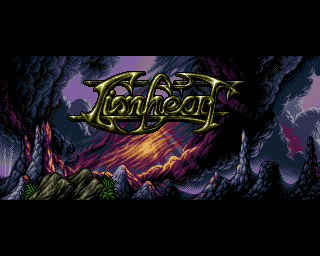
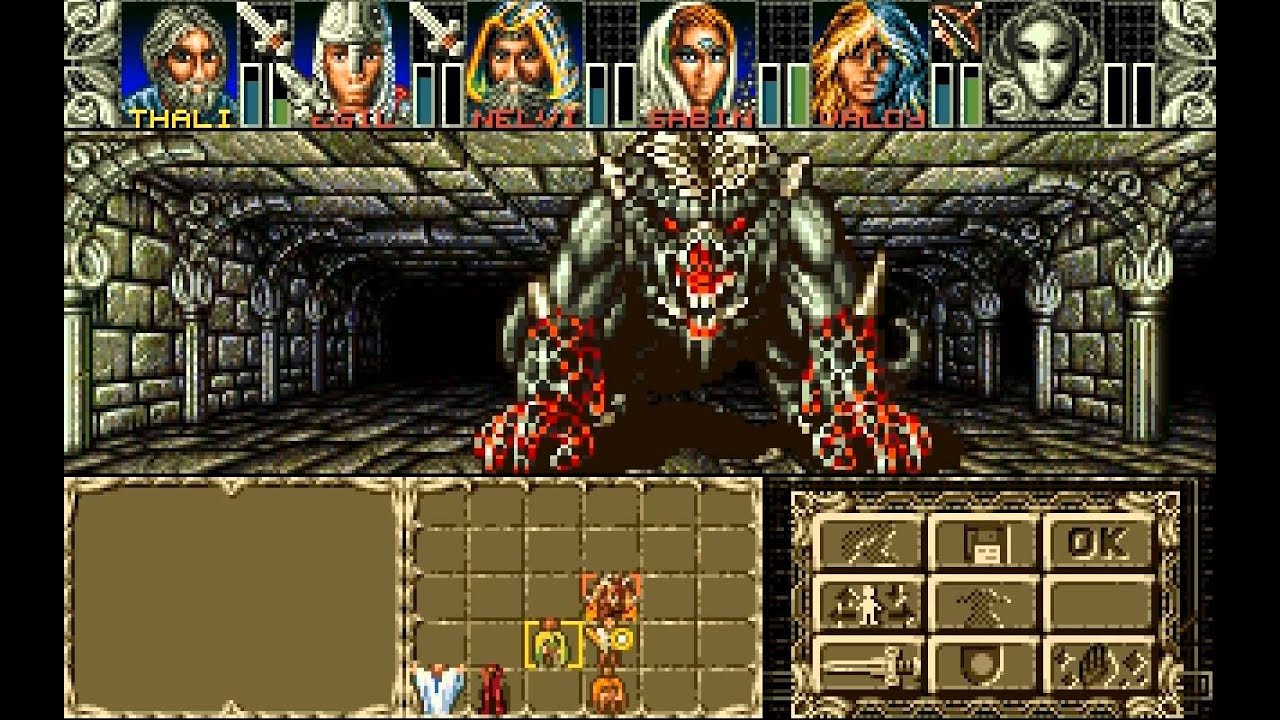
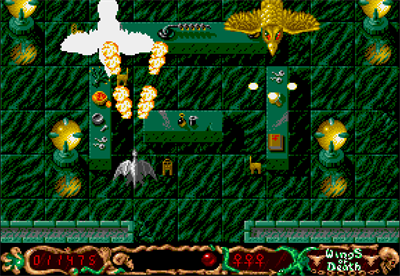
Over six years the studio produced some of the most technically accomplished software of the 16-bit era. Their games spanned vertical shooters (Wings of Death), epic RPGs (Ambermoon, Dragonflight), a genre-defining platformer (Lionheart), and a motorcycle simulator (No Second Prize) that whose 3-D engine amazed reviewers in 1992.
Financial pressures and the collapse of the 16-bit market brought the studio to closure in 1994. But their work endures: Ambermoon's source code was released in 2023, and an active open-source remake at ambermoon.net keeps the RPG alive for modern audiences.
What Thalion Made
The studio's output ranged from early vertical shooters to towering RPGs. In 1990 Wings of Death announced their ambitions with smooth scrolling and Jochen Hippel's defining TFMX score. No Second Prize (1992) delivered polygon 3-D motorcycle racing that reviewers described as technically inexplicable on stock Amiga hardware. Then came 1993 - Thalion's peak year and its last: Lionheart and Ambermoon in the same release window, a platformer of unprecedented pixel art quality and an RPG whose seamless world felt like nothing the Amiga had produced before. Both were released as key staff were already departing.
The full catalogue - from the 1989 puzzle titles to the unfinished projects of 1994 - is on the catalogue page. Extended articles on all five flagship titles, covering development, technical achievement, and legacy, are on the flagship page.
The people behind this body of work - co-founders Erik Simon and Holger Flottmann, composer Jochen Hippel, pixel artist Henk Nieborg, and programmer Matthias Steinwachs among others - are covered in full on the people page.