▲ TOP
Streets of Rage 1 box art - Mega Drive, 1991

Streets of Rage arrived in August 1991 as Sega AM7's answer to Capcom's Final Fight. While structurally similar - players walk through eight stages, beating down waves of enemies before a climactic boss - Streets of Rage distinguished itself through superior multiplayer balance, Sega's hardware advantages, and most significantly, Yuzo Koshiro's extraordinary score.

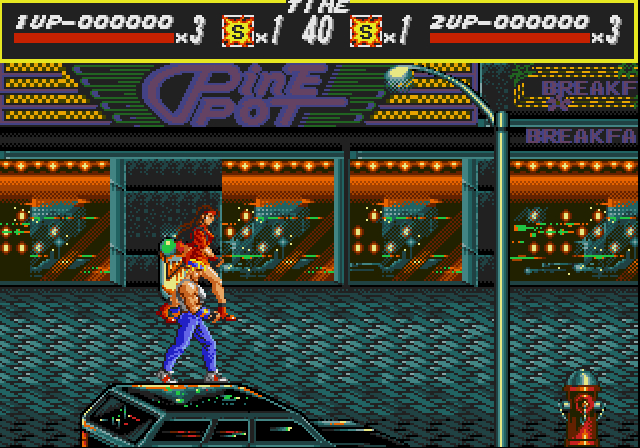
The three characters offered genuine mechanical distinction. Axel is the balanced all-rounder; Blaze trades power for speed and has a longer combo chain; Adam hits the hardest but moves slowly. The police car special attack - calling in a police air strike for a screen-clearing explosion - was a novel co-operative mechanic that temporarily united both players.

Characters

Axel Stone

The Balanced Fighter

Former police officer and martial artist. Best all-around stats. His Grand Upper uppercut became iconic.

Blaze Fielding

The Speed Fighter

Judo-trained officer with the fastest movement speed. Shorter range but excellent combo ability.

Adam Hunter

The Power Fighter

The group's powerhouse with the highest damage output. Slower but capable of devastating single strikes.

The Soundtrack

Koshiro's debut on Mega Drive FM hardware established a template no other game had attempted. Tracks like Fighting in the Street, Violent Breathing, and Expander incorporated kick drums, acid bass lines, and arpeggiating FM leads that were directly informed by the Chicago house and Detroit techno records Koshiro was listening to at the time.
Regional Differences: The Japanese Bare Knuckle features slightly different enemy placement and health values compared to the Western Streets of Rage. The Japanese version also uses the subtitle "Ikari no Tekken" (Iron Fist of Fury). The story and character backgrounds are identical across regions.
Streets of Rage 1 - stage opening screenshot
Stage 1 opening.
Streets of Rage 1 - mid-game gameplay
Mid-game brawling.
Streets of Rage 2 box art - Mega Drive, 1992

Streets of Rage 2 is the apotheosis of the series and one of the finest action games of the 16-bit era. Ancient took what AM7 built and refined every element: more characters, deeper move sets, longer stages, richer graphics, and a soundtrack that remains a genuine artistic achievement thirty years later.

The narrative picks up one year after the original. Mr. X has returned, kidnapped Adam Hunter, and rebuilt his syndicate. Axel, Blaze, Adam's younger brother Skate, and Adam's sparring partner Max Thunder form the response team. The absence of Adam gives the story stakes that the original lacked.

Four-Fighter Roster

Axel Stone

Balanced Brawler

Expanded move set with Dragon Wing, Bare Knuckle, and the devastating Grand Upper returning.

Blaze Fielding

Speed and Combos

Fastest character with excellent juggle combos and a useful back-attack throw.

Max Thunder

Power Grappler

Massive power but slow speed. His Spinning Pile Driver is one of the game's most satisfying moves.

Eddie "Skate" Hunter

Rollerblading Speed

Lowest damage, highest speed. Expert players use Skate's mobility to execute chain combos at extreme pace.

Mechanics Evolution

SoR2 removed the police car special attack and replaced it with individual character specials that cost a bar of health. This created genuine tactical depth: specials were powerful but dangerous, requiring careful resource management. Blitz attacks (running specials) were added, and the back-attack option allowed for crowd control against enemies from behind - a problem that routinely punished players in the original.

Regional Differences: The Japanese Bare Knuckle II is slightly harder than the US/EU release. The Japanese subtitle "Shitou e no Requiem" (Requiem for a Battle) was dropped in Western markets. Japanese cartridges had a slightly larger ROM, allowing for minor audio differences.

→ Full Streets of Rage 2 feature page

Streets of Rage 3 box art - Mega Drive, 1994

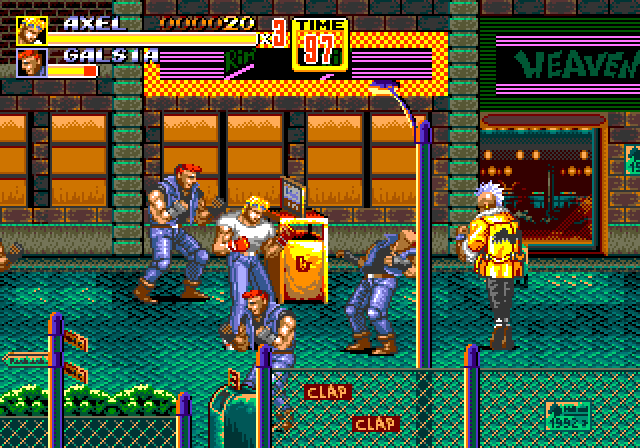
Streets of Rage 3 is the most mechanically complex entry and the most divisive. Ancient added a run button, reworked the special attack system to draw from a shared life pool, introduced branching stage paths leading to multiple endings, and significantly expanded the roster. The ambition was real - but so was the roughness.

The expanded move set and run mechanic added genuine depth for advanced players, but the difficulty spike (especially in Western versions) and the removal of the police car backup made the game less approachable than its predecessor. The soundtrack, while still excellent, divided some fans who felt it was less cohesive than SoR2's laser-focused techno approach.

New Mechanics

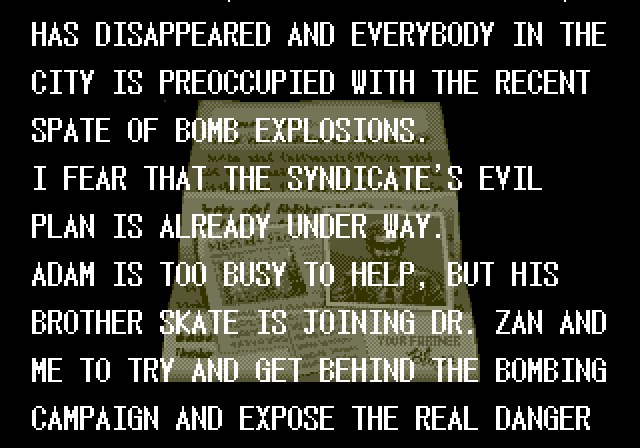
The run button fundamentally changes the game's pacing. Combined with the new star system - collecting stars activates powerful attacks without a life cost - SoR3 rewards aggressive, mobile play styles. Hidden characters Dr. Zan (a cyborg with electricity attacks) and Shiva (Mr. X's martial arts bodyguard) add endgame replay value.

Regional Differences: This is where Bare Knuckle III and Streets of Rage 3 diverge most significantly. The Western version features altered character designs (Ash, a flamboyant villain, was removed entirely), modified dialogue, higher difficulty on the Normal setting, and some censored animations. Many fans consider the Japanese version the definitive experience. If you can only play one version, Bare Knuckle III is recommended.