An Unlikely Alliance
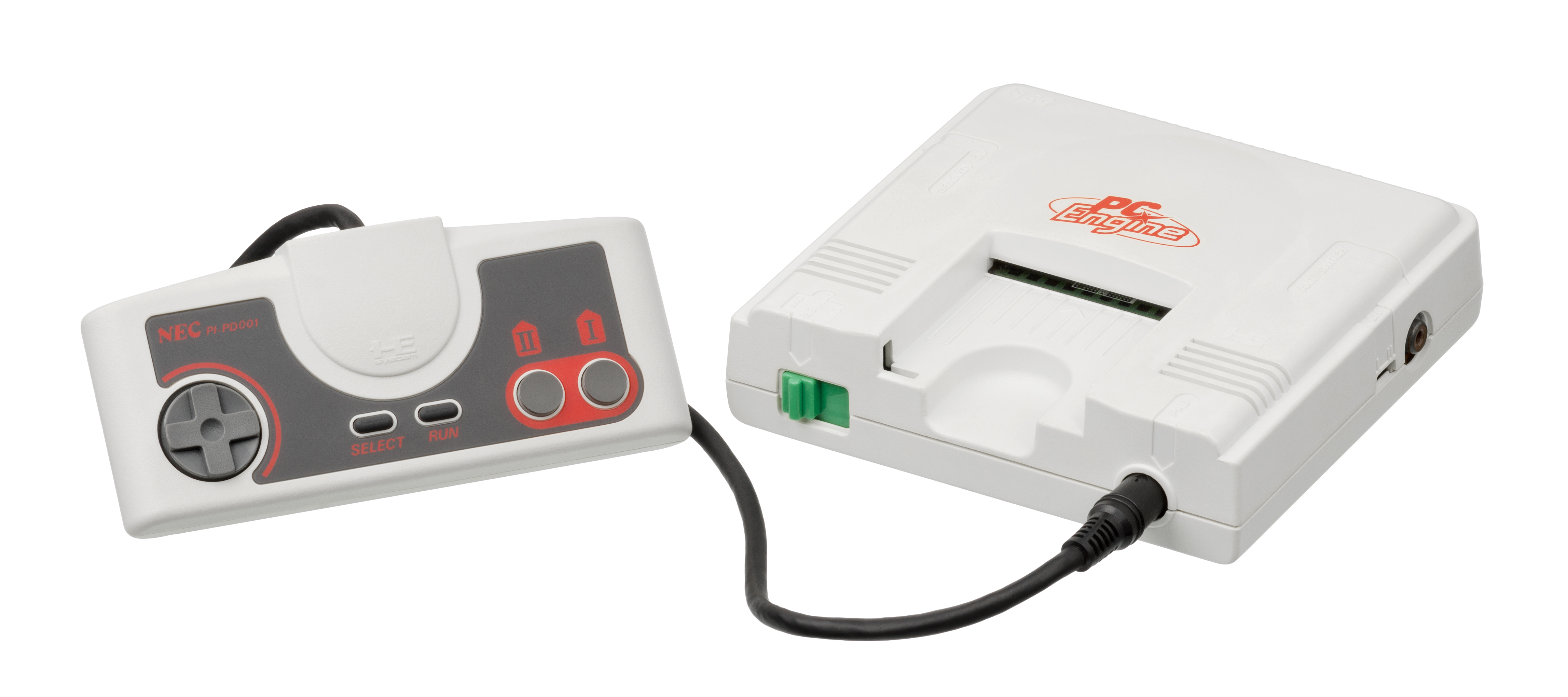
NEC Corporation was one of Japan’s largest semiconductor and electronics companies — it built computers, not games. Hudson Soft was a software house from Hokkaido with deep roots in PC game development and a reputation for quality ports. When the two companies began collaborating in the mid-1980s, the arrangement was straightforward: NEC would provide the hardware infrastructure and manufacturing capability; Hudson would provide the custom CPU and the software pipeline.
Hudson’s engineers designed the HuC6280 — a custom 8-bit CPU derived from the MOS Technology 6502 architecture, clocked at 7.16 MHz with a built-in sound generator, DMA controller, and timer. The CPU choice was deliberately pragmatic: 6502-derived chips were well-understood, easy to program, and supported a rich existing library of development tools. The graphics work, however, would be anything but conventional.
8-Bit CPU, 16-Bit Graphics
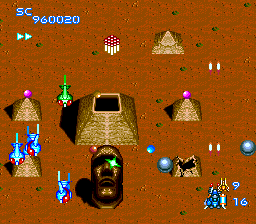
The PC Engine’s graphics subsystem was built around two custom chips: the HuC6270 Video Display Controller (VDC) and the HuC6260 Video Color Encoder (VCE). The VDC could address 64 KB of dedicated video RAM, display 512 on-screen colors from a palette of 512, and manage up to 64 hardware sprites simultaneously. For 1987, these were extraordinary specifications.
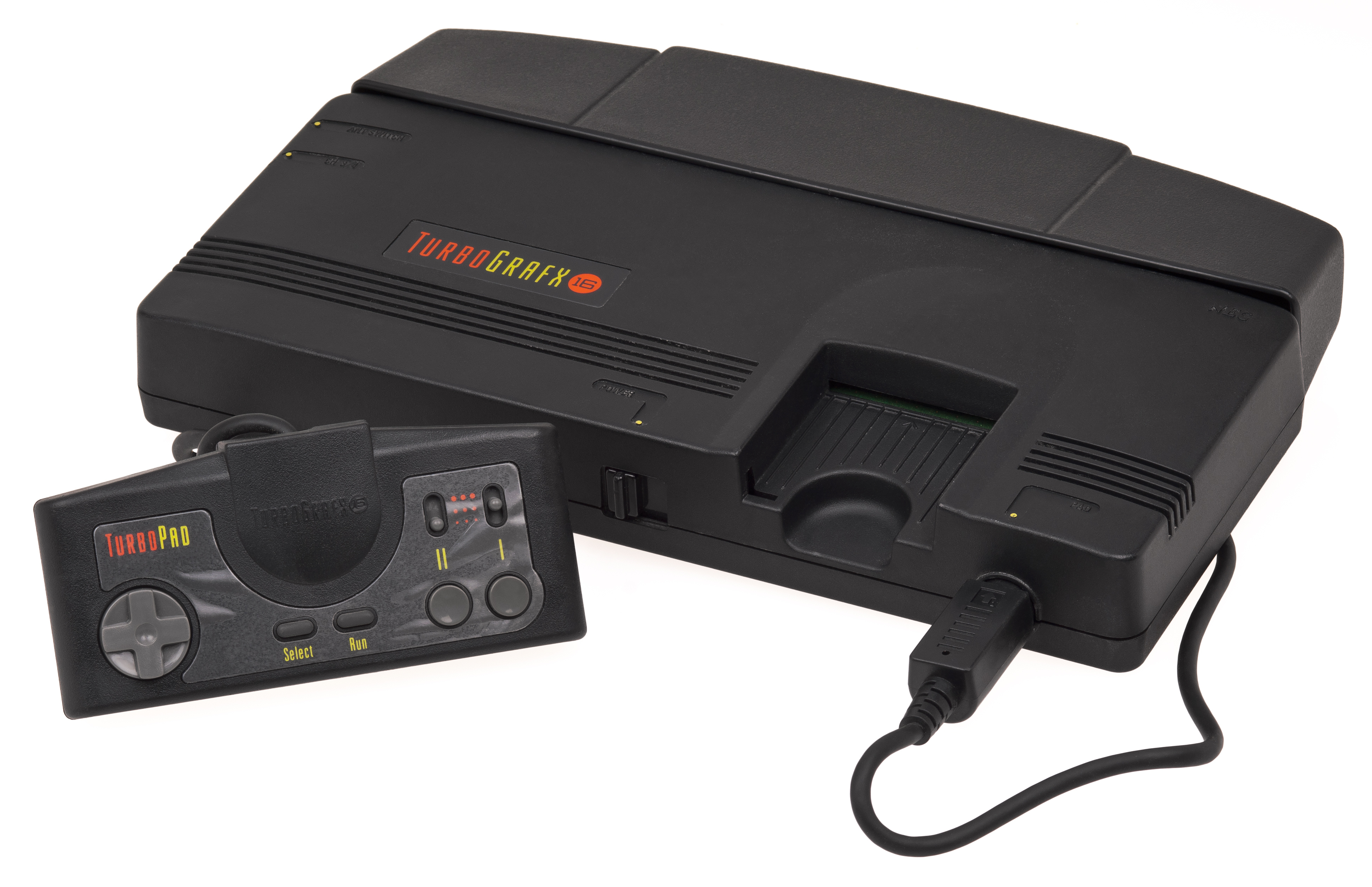
The result was a machine that appeared — and in most practical respects performed — as a 16-bit console despite its 8-bit CPU. Marketing teams later emphasized this with the TurboGrafx-16 name in North America, but in Japan the machine sold on the strength of its software rather than its specification sheet.
Did You Know?
Hudson Soft designed the HuC6280 CPU in-house, making it one of the few software companies to design custom silicon for its own console. The chip’s built-in PSG sound generator produced 6-channel audio with wave memory synthesis — a significant step beyond the NES.