MicroProse Catalogue
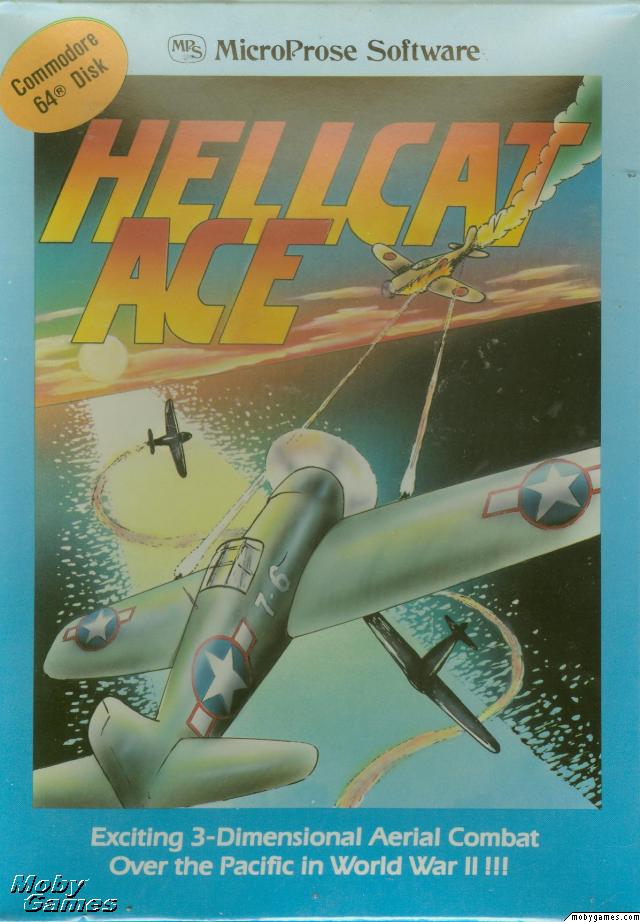
Hellcat Ace
The game that started it all. Sid Meier wrote Hellcat Ace in a weekend after a bet with Bill Stealey. A WWII naval air combat simulator for the Atari 8-bit, C64, and early DOS machines, it sold from a bag at a games convention and launched MicroProse Software, Inc.
Solo Flight
A civilian flight simulation for the Commodore 64 and Apple II. Players flew mail delivery routes across the United States in a small aircraft. Notable for its realistic weather system and instrument-only flying challenges.
Source: MobyGames
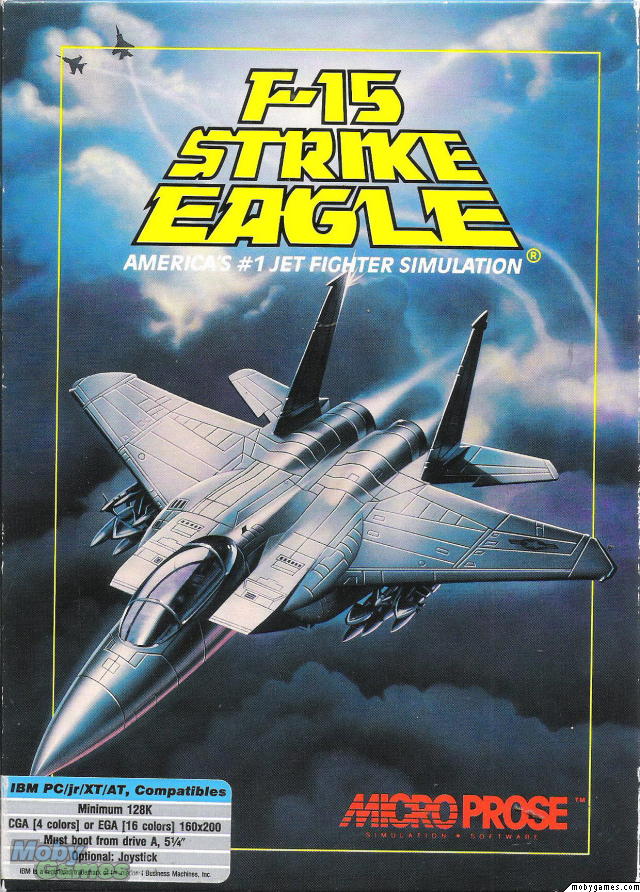
F-15 Strike Eagle
MicroProse’s first million-seller. A jet combat simulator placing the player in the cockpit of the USAF F-15 Eagle over Middle Eastern combat zones. Sold over one million copies across Atari 8-bit, C64, Apple II, DOS, Atari ST, and Amiga. Established the MicroProse brand internationally.
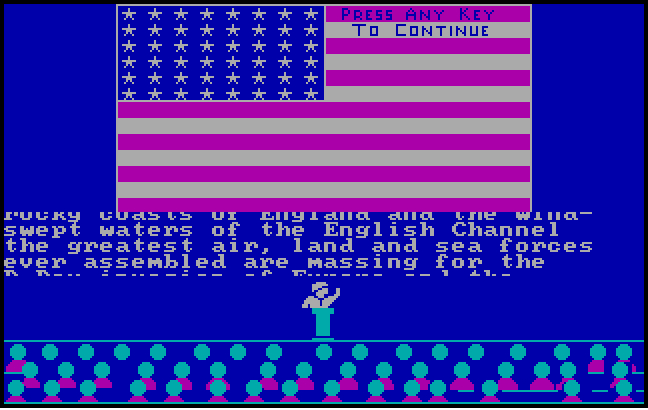
Crusade in Europe
A wargame simulating the Allied campaign in Western Europe from D-Day to VE Day. One of MicroProse’s early forays into operational-level strategy. Players commanded Allied forces from Normandy through the liberation of Germany.
Source: MobyGames
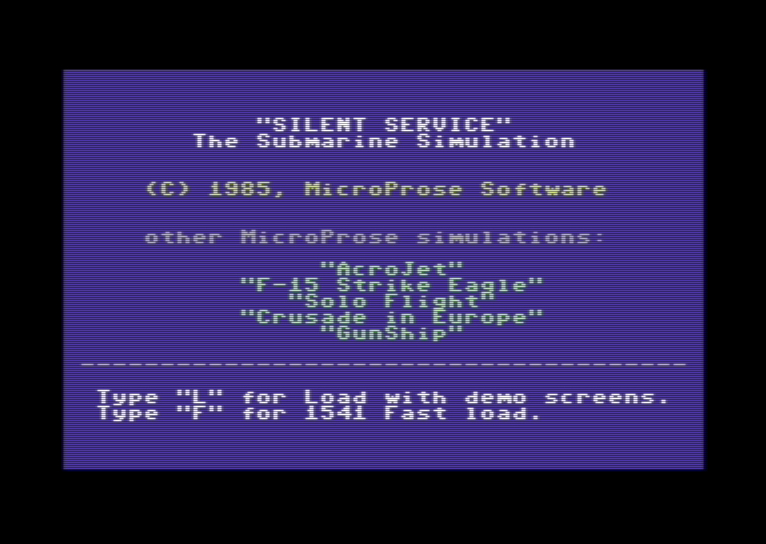
Silent Service
A WWII Pacific submarine simulator of extraordinary fidelity. Players commanded a US fleet submarine on patrol missions, hunting Japanese convoys using period-accurate sonar, periscope, and torpedo systems. Widely regarded as the definitive submarine simulation of the 8-bit and 16-bit era.
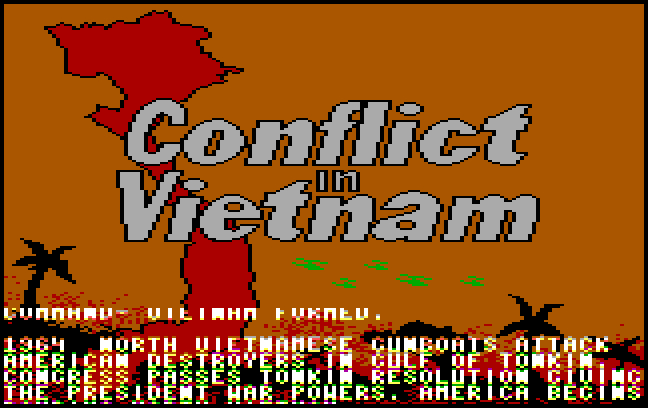
Conflict in Vietnam
A wargame covering four major campaigns of the Vietnam War, from the French Indochina War through to the final NVA offensive. Part of MicroProse’s early wargame series alongside Crusade in Europe and Decision in the Desert.
Source: MobyGames
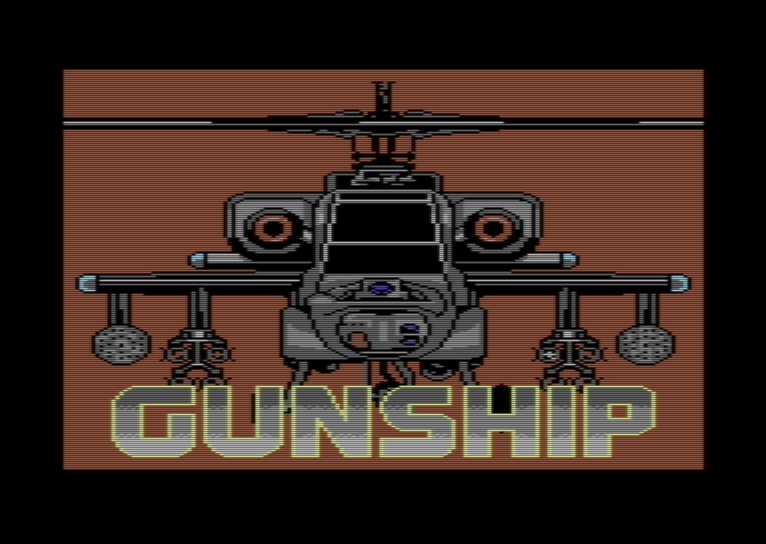
Gunship
An Apache attack helicopter simulation covering four theatres of conflict including Central America, the Middle East, and Eastern Europe. Players managed weapons loadouts, contour flying, and nap-of-the-earth tactics. The HUD aesthetic — phosphor green instruments on black — became a MicroProse signature.
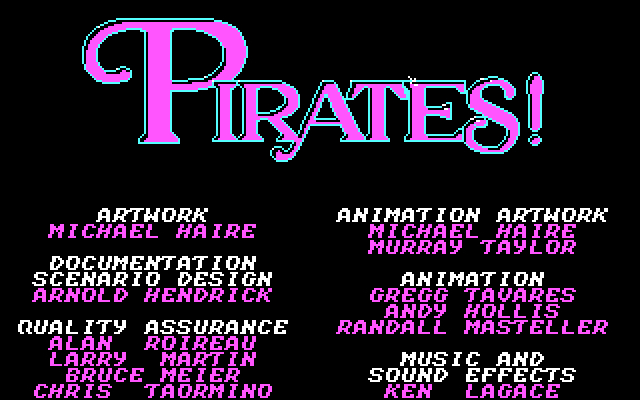
Sid Meier’s Pirates!
A genre-defining masterpiece of emergent design. Players commanded a privateer vessel in the 17th-century Caribbean, managing crew morale, trading goods, duelling for honour, and plundering Spanish treasure fleets. The first MicroProse title to bear Sid Meier’s name, and one of the most influential games ever made.
Longplay: Sid Meier’s Pirates! (DOS, 1987)
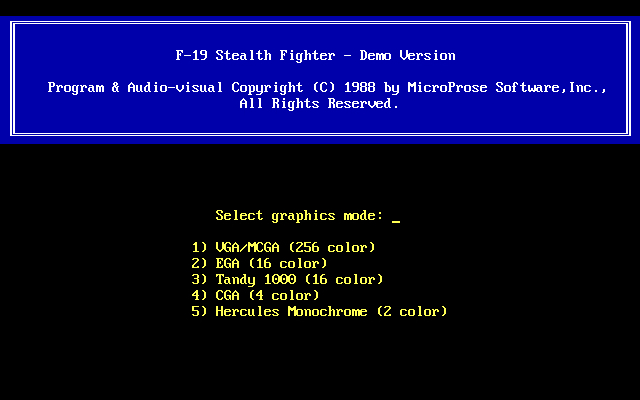
F-19 Stealth Fighter
A stealth aircraft simulation released before the U.S. government officially acknowledged the F-117 Nighthawk. MicroProse modelled the speculative “F-19” from unclassified sources with remarkable accuracy. Praised for its technical depth, multiple theatre options, and the iconic phosphor HUD cockpit display that became synonymous with MicroProse.
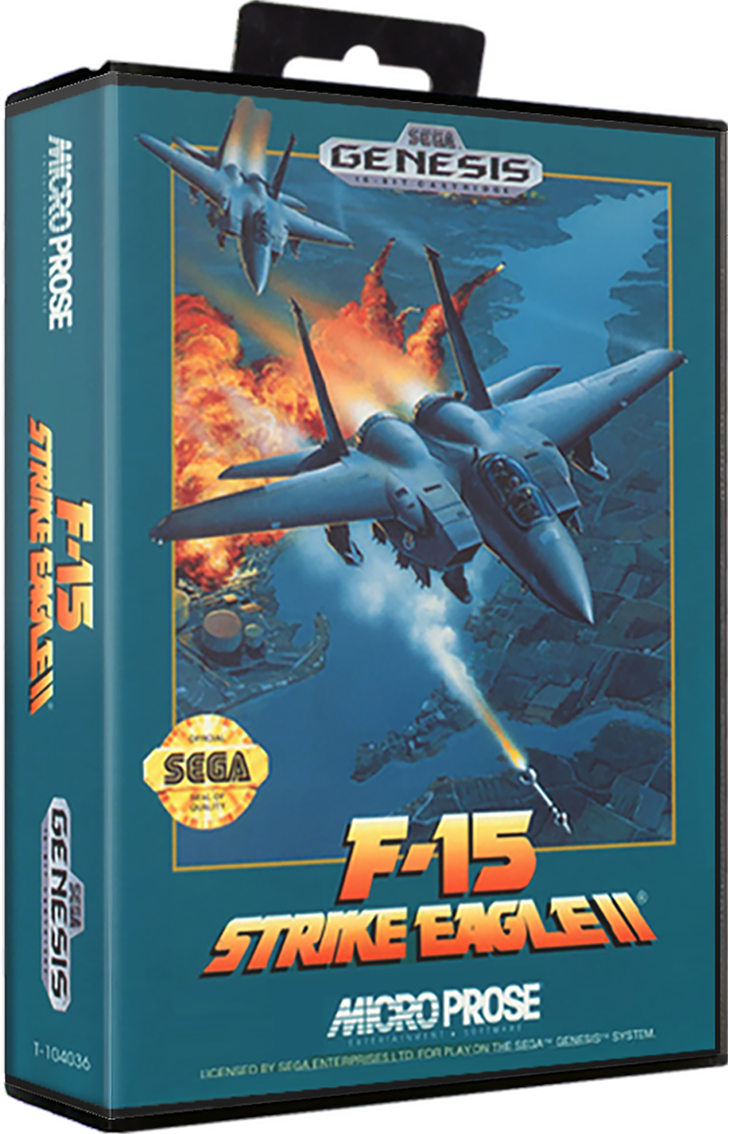
F-15 Strike Eagle II
Enhanced sequel to the original F-15 Strike Eagle with improved graphics, additional theatres (Libya, Middle East, Korea, Soviet Union), and a more advanced weapons systems model. Built on the HUD interface design established in F-19.
Source: MobyGames
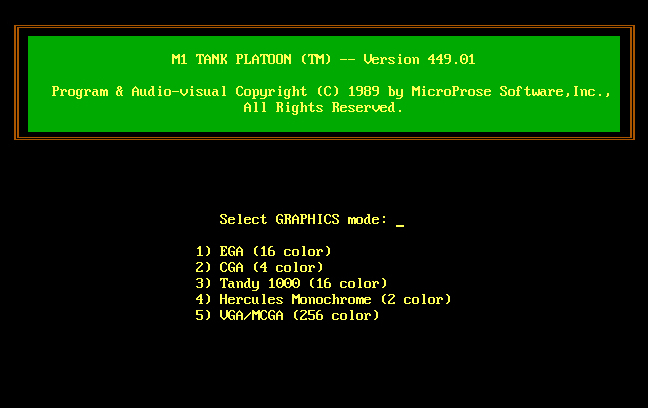
M1 Tank Platoon
A combined-arms tank simulation placing players in command of an M1 Abrams platoon on a Central European battlefield. Players could switch between any of the four tanks in real time, directing crew at the platoon level. Praised by military journals for its doctrinal accuracy.
Source: MobyGames
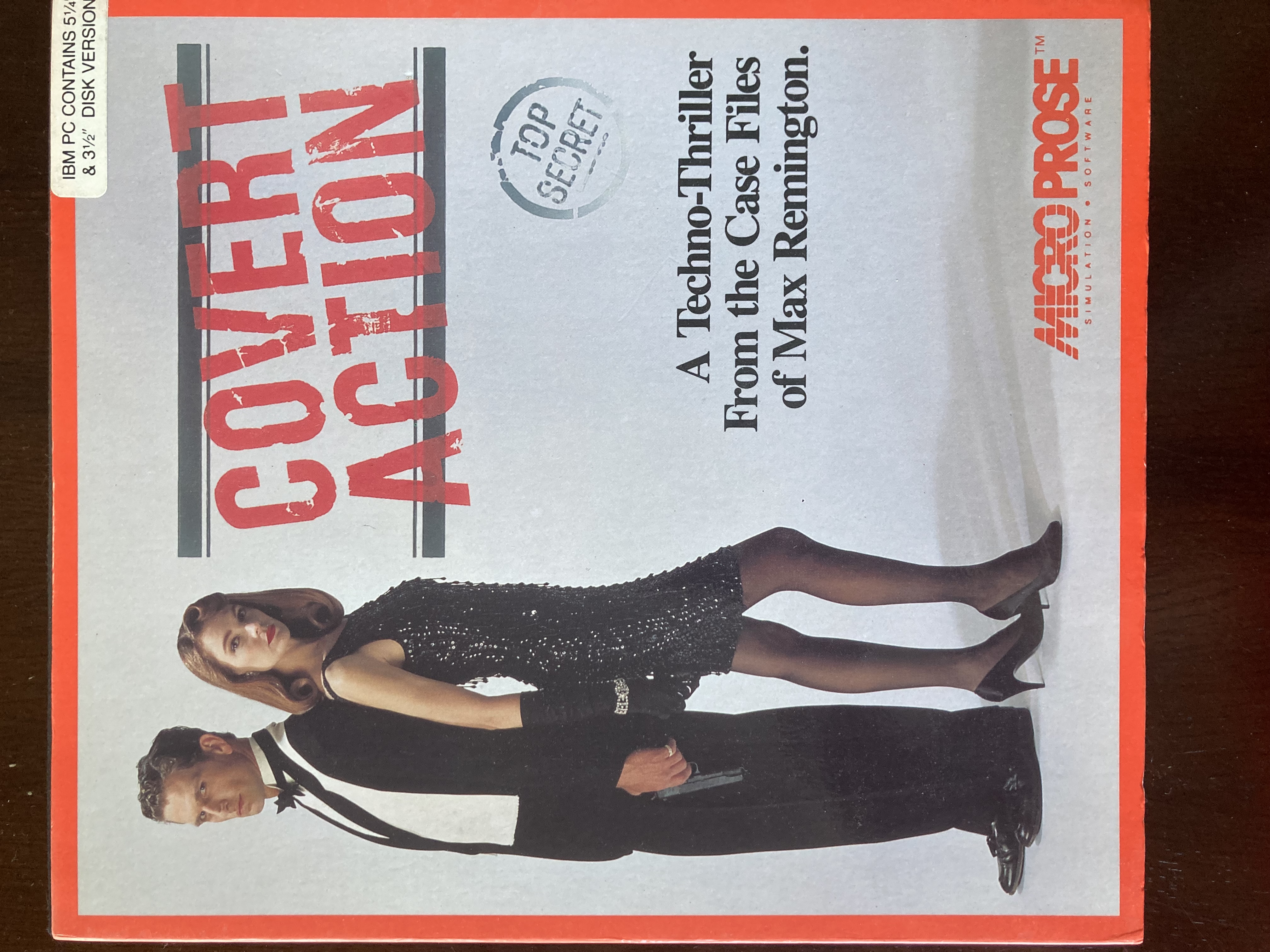
Covert Action
A spy thriller in which players assumed the role of CIA agent Max Remington, investigating international criminal networks. Unusually for Meier, Covert Action featured multiple mini-games (driving, electronics, cryptanalysis) linked by a strategic investigation layer. Meier later reflected it may have had too many interacting systems.
Source: MobyGames
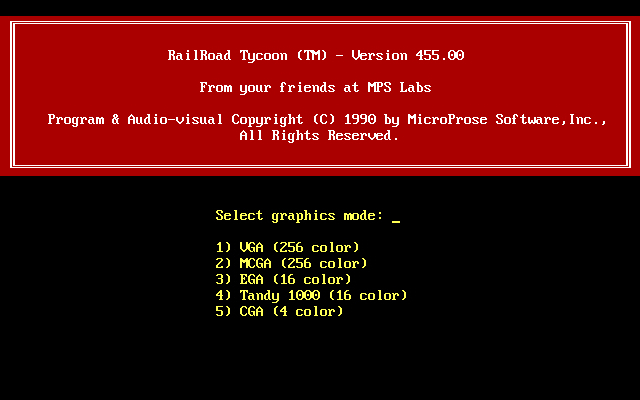
Railroad Tycoon
A railroad management empire builder set in 19th-century America, England, and Europe. Players laid track, scheduled trains, managed freight contracts, competed with rival rail barons, and took their company public on the stock market. Computer Gaming World Game of the Year 1990. One of the founding texts of the management simulation genre.
Gunship 2000
Sequel to Gunship, placing players in command of a helicopter task force including the AH-64 Apache, OH-58D Kiowa, and UH-60 Black Hawk. Expanded campaign structure and enemy AI. A technically demanding simulation that pushed the DOS platform of the early 1990s to its limits.
Source: MobyGames
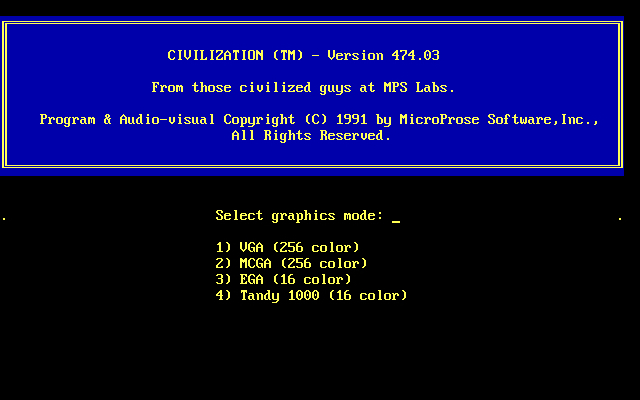
Civilization
Sid Meier’s magnum opus. Players guided a civilization from 4000 BC to the space age, managing cities, armies, diplomacy, science, and culture. The “one more turn” compulsion loop became legendary. Civilization sold millions of copies, launched the most successful strategy franchise in gaming history, and defined the 4X genre. See the flagship page for a full editorial.
Longplay: Civilization (DOS, 1991)
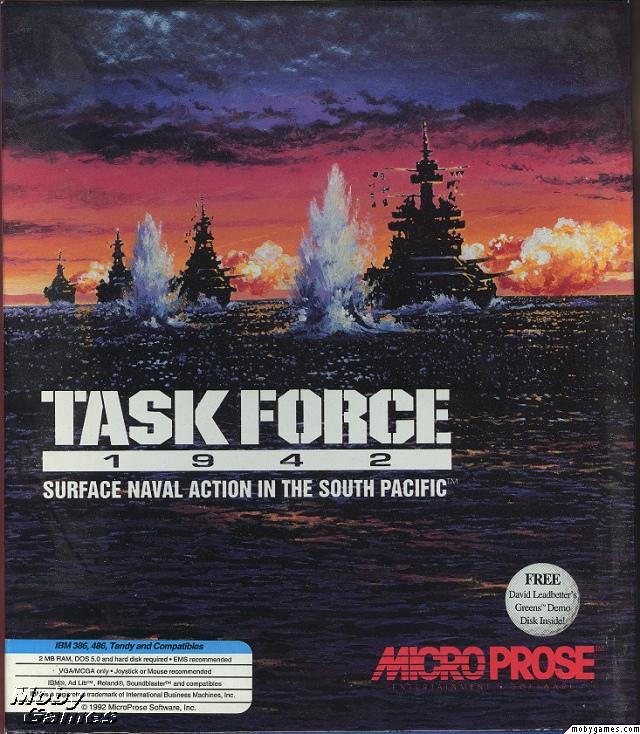
Task Force 1942
A naval surface combat simulation covering the Guadalcanal campaign of WWII. Players commanded Allied or Japanese surface fleets in night surface actions, torpedo attacks, and shore bombardment missions. One of MicroProse’s more niche but critically praised titles of the early 1990s.
Source: MobyGames
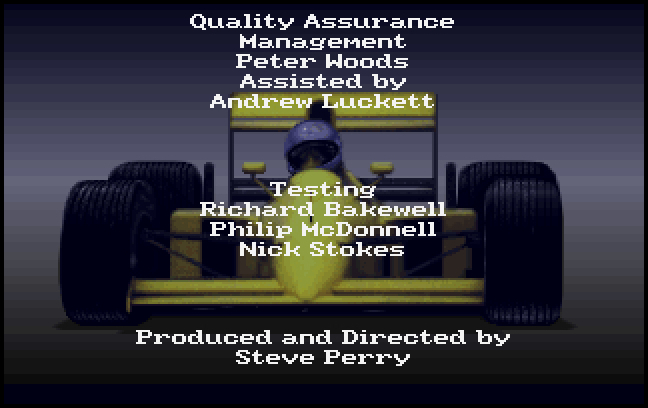
Grand Prix
A Formula One racing simulation of technical precision, designed by Geoff Crammond independently and published by MicroProse. The game modelled the 1991 Formula One season with extraordinary accuracy — physics, track layouts, tyre wear, and fuel consumption. The definitive F1 simulation of the DOS era.
Source: MobyGames · Wikipedia: Geoff Crammond
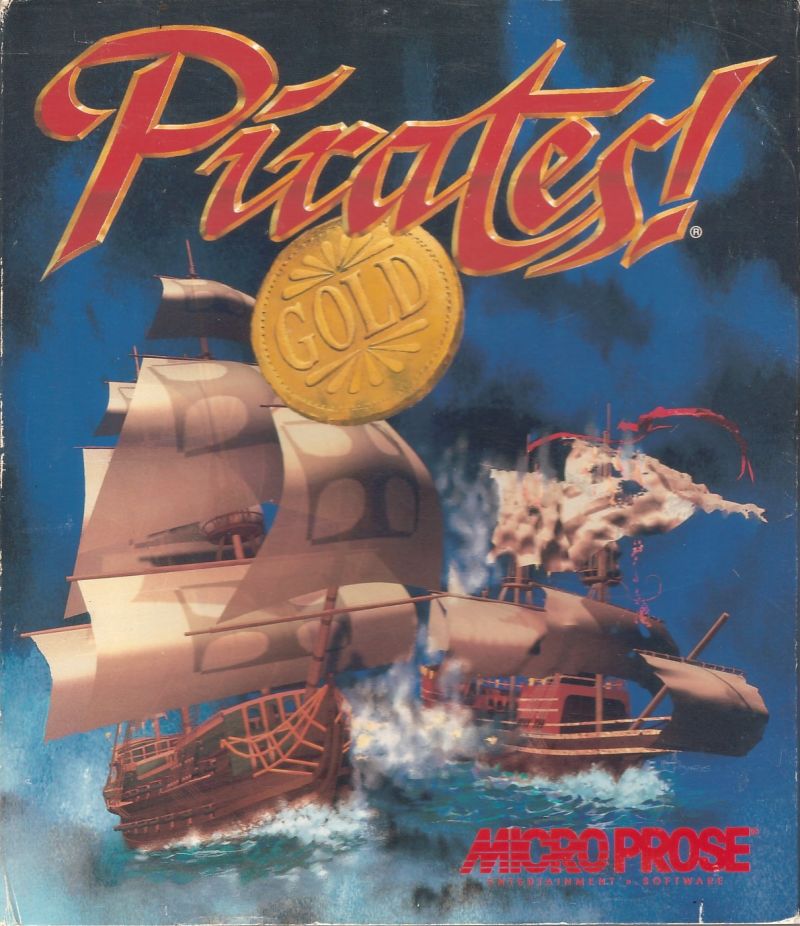
Pirates! Gold
Enhanced CD-ROM remake of the original Pirates! with improved graphics, digitised speech, and added missions. Released for DOS and early Windows, Pirates! Gold introduced the classic to a new generation of players and demonstrated MicroProse’s commitment to its back catalogue.
Source: MobyGames
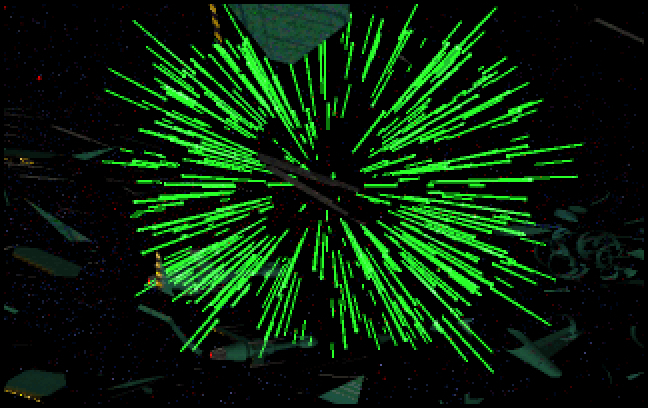
Master of Orion
Published by MicroProse, Master of Orion applied the Civilization template to a space-opera setting. Players guided one of ten alien civilisations from planetary origins to galactic domination through colonisation, diplomacy, and fleet combat. One of the defining 4X space strategy games, it won multiple Game of the Year awards.
Source: MobyGames
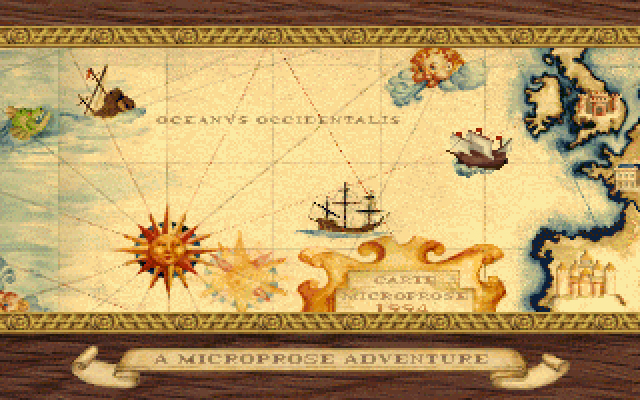
Sid Meier’s Colonization
A Civilization spin-off set in the Age of Exploration. Players colonised the New World, managing trade, diplomacy with native nations, and the slow build toward independence from the European mother country. Brian Reynolds led design, with Meier as executive producer. Colonization demonstrated MicroProse’s capacity to evolve the Civilization template.
Source: MobyGames
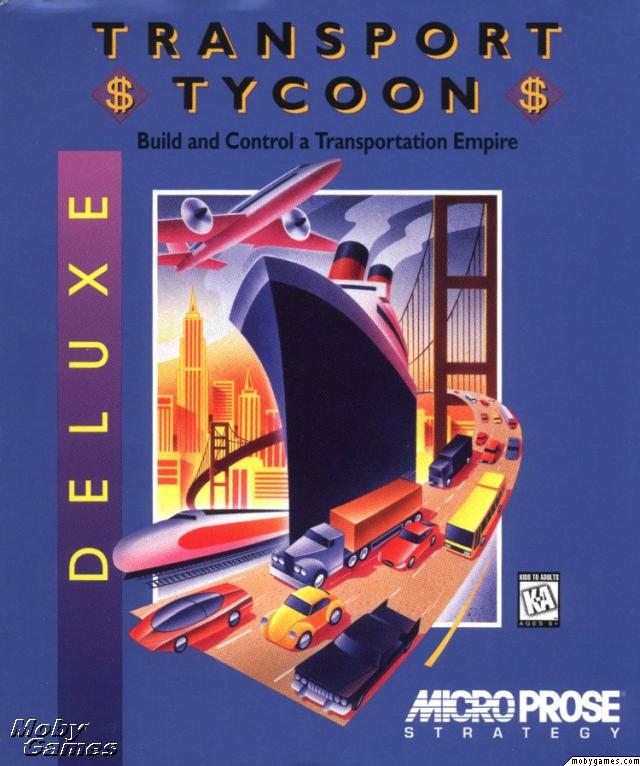
Transport Tycoon
Published by MicroProse, Transport Tycoon was designed by Chris Sawyer as a spiritual successor to Railroad Tycoon. Players built multimodal transport networks across procedurally generated maps, managing trains, buses, trucks, ships, and aircraft. Its open-ended sandbox structure inspired the OpenTTD open-source project still active today.
Source: MobyGames
X-COM: UFO Defense
Published by MicroProse and developed by Julian Gollop’s Mythos Games, X-COM: UFO Defense (known as UFO: Enemy Unknown in Europe) combined strategic base management with turn-based tactical combat against an alien invasion. Voted Game of the Year 1994 by multiple publications. PC Gamer US: 94%. PC Gamer UK: 92%. One of the greatest strategy games ever made. See the flagship page for a full editorial.
Longplay: X-COM: UFO Defense (DOS, 1994)
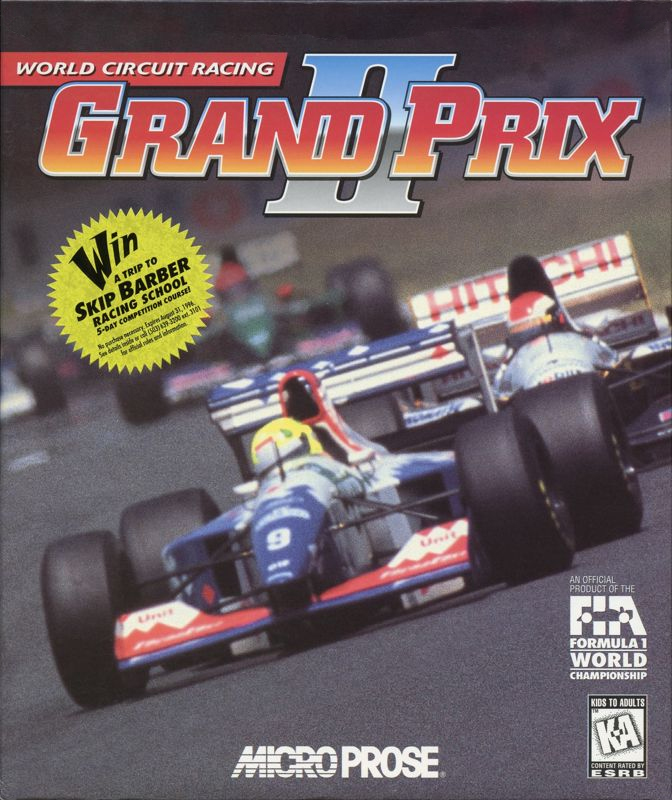
Grand Prix 2
Crammond’s follow-up to Grand Prix modelled the 1994 Formula One season with exceptional accuracy, including the controversial San Marino Grand Prix weekend. Praised for its physics model and replay system. Long considered the benchmark DOS-era F1 simulation.
Source: MobyGames
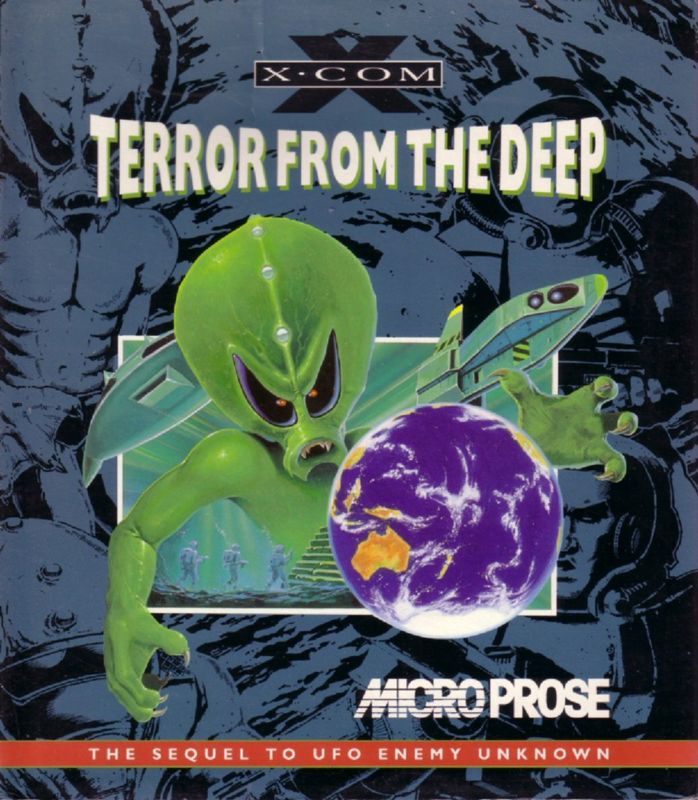
X-COM: Terror from the Deep
A sequel to UFO Defense, relocating the action to the Earth’s oceans as alien forces emerge from the deep. Notoriously difficult, Terror from the Deep retained the strategic and tactical layers of UFO Defense while introducing new alien types, underwater combat rules, and ship-based missions.
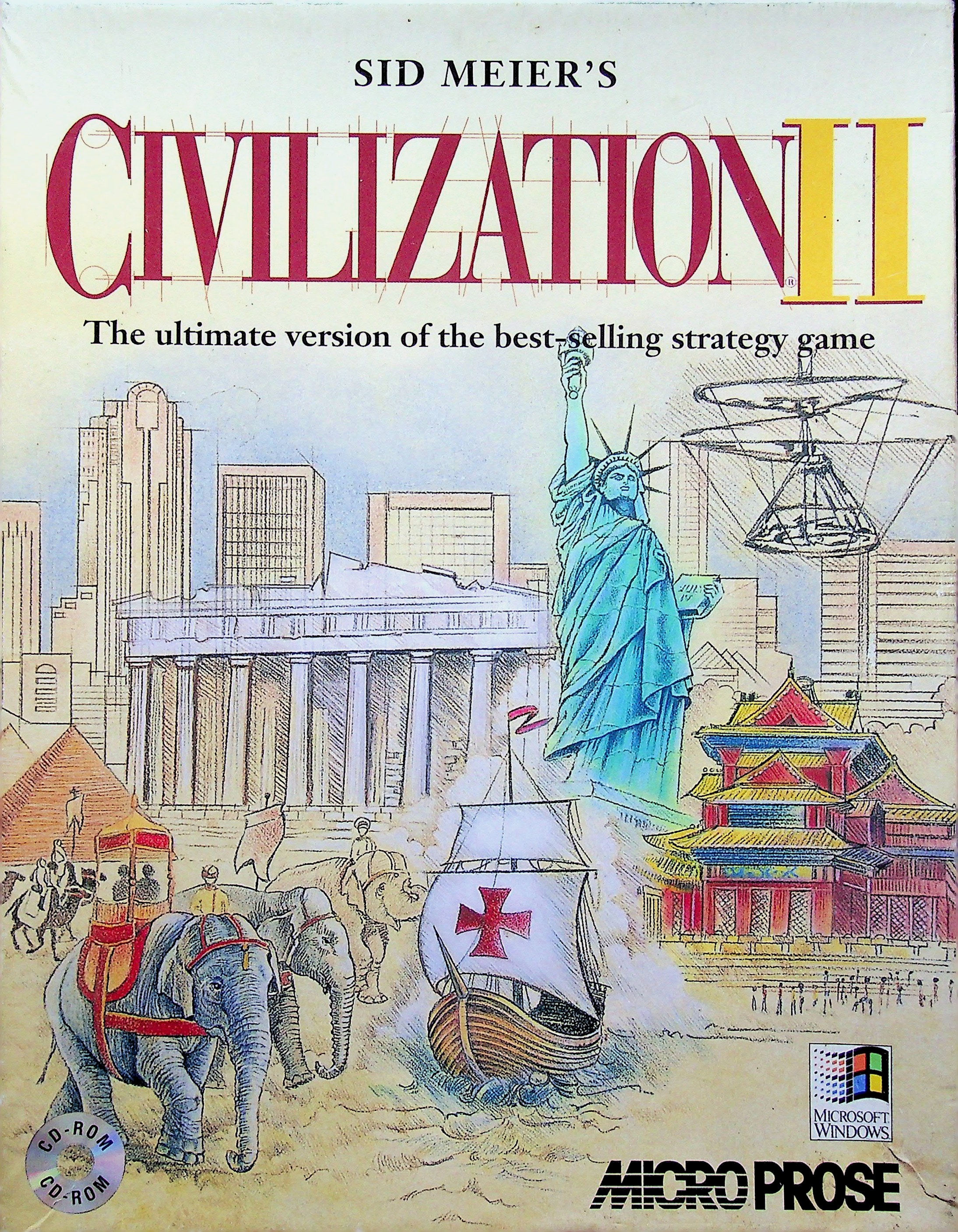
Civilization II
Brian Reynolds’ definitive expansion of the Civilization formula, with isometric graphics, improved diplomacy, a revamped technology tree, and 21 world wonders. Civilization II sold over three million copies and remained one of the best-selling PC games of the 1990s. Jeff Briggs composed the celebrated soundtrack. The game’s popularity inspired the famous “Eternal War” Reddit post in 2012.