Alone on an Alien World
Metroid is Nintendo’s atmospheric science-fiction action-adventure series, conceived by Yoshio Sakamoto and Hiroji Kiyotake at Nintendo R&D1 and published across three games from 1986 to 1994. The series follows Samus Aran, a galactic bounty hunter encased in a Power Suit of Chozo origin, as she hunts through alien worlds against Space Pirates and their weaponised Metroid bioforms.
Where most action games of the 1980s were linear stage-by-stage progressions, Metroid was a labyrinth: planet Zebes was a single interconnected world, its corridors sealed behind doors that required specific power-ups to open. The series pioneered the non-linear exploration structure that would eventually be named after it — the “Metroidvania” — and produced in Super Metroid (1994) what many consider the greatest game of the 16-bit era.
The trilogy covered three Nintendo platforms: the Famicom Disk System (1986), the Game Boy (1991), and the Super Nintendo (1994), each instalment expanding the world, the lore, and the emotional stakes. The baby Metroid’s sacrifice at the climax of Super Metroid — a creature Samus raised from Metroid II — is gaming's most precise example of cross-sequel emotional payoff built on player attachment.
The Numbers
Three Games, One World
The original Metroid (1986) arrived on the Famicom Disk System as a challenge to the linear structure of every Nintendo game before it. Yoshio Sakamoto and Hiroji Kiyotake at Nintendo R&D1 designed a single interconnected alien world — planet Zebes — where every locked door was a promise to return once Samus had the right power-up. Players who found the best ending also discovered something unprecedented: the armoured bounty hunter was a woman.
Metroid II: Return of Samus (1991) moved the action to the Game Boy for a mission unlike any before it. Samus was sent to SR388, home planet of the Metroids, with orders to exterminate the species. The game introduced the Spider Ball, expanded the Metroid evolution chain from Alpha to Queen, and closed with the hatching of a baby Metroid that would imprint on Samus as its mother — setting the emotional stakes for everything that followed.
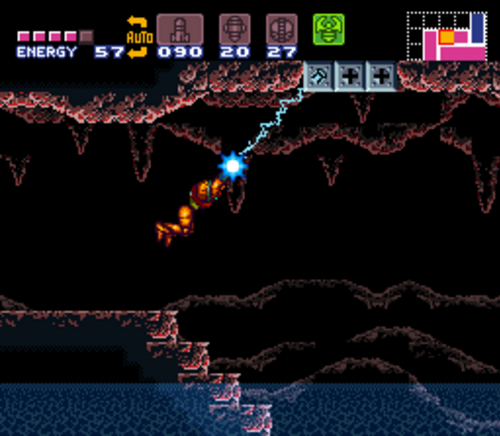
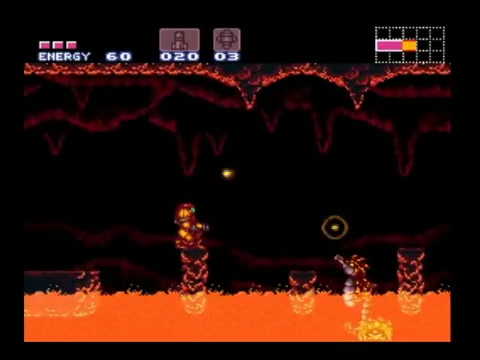
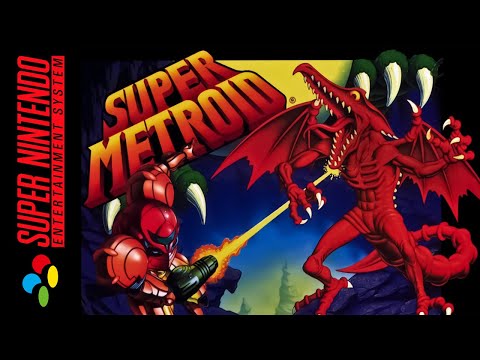
Super Metroid (1994) brought the trilogy home to the Super Nintendo and produced one of the most acclaimed games ever built. Zebes was redesigned as a seamlessly interconnected world with an in-game map updated in real time. The game taught its mechanics through observation, moved its players without scripted dialogue, and closed with a sacrifice that hit hardest for anyone who had followed the series from the beginning.