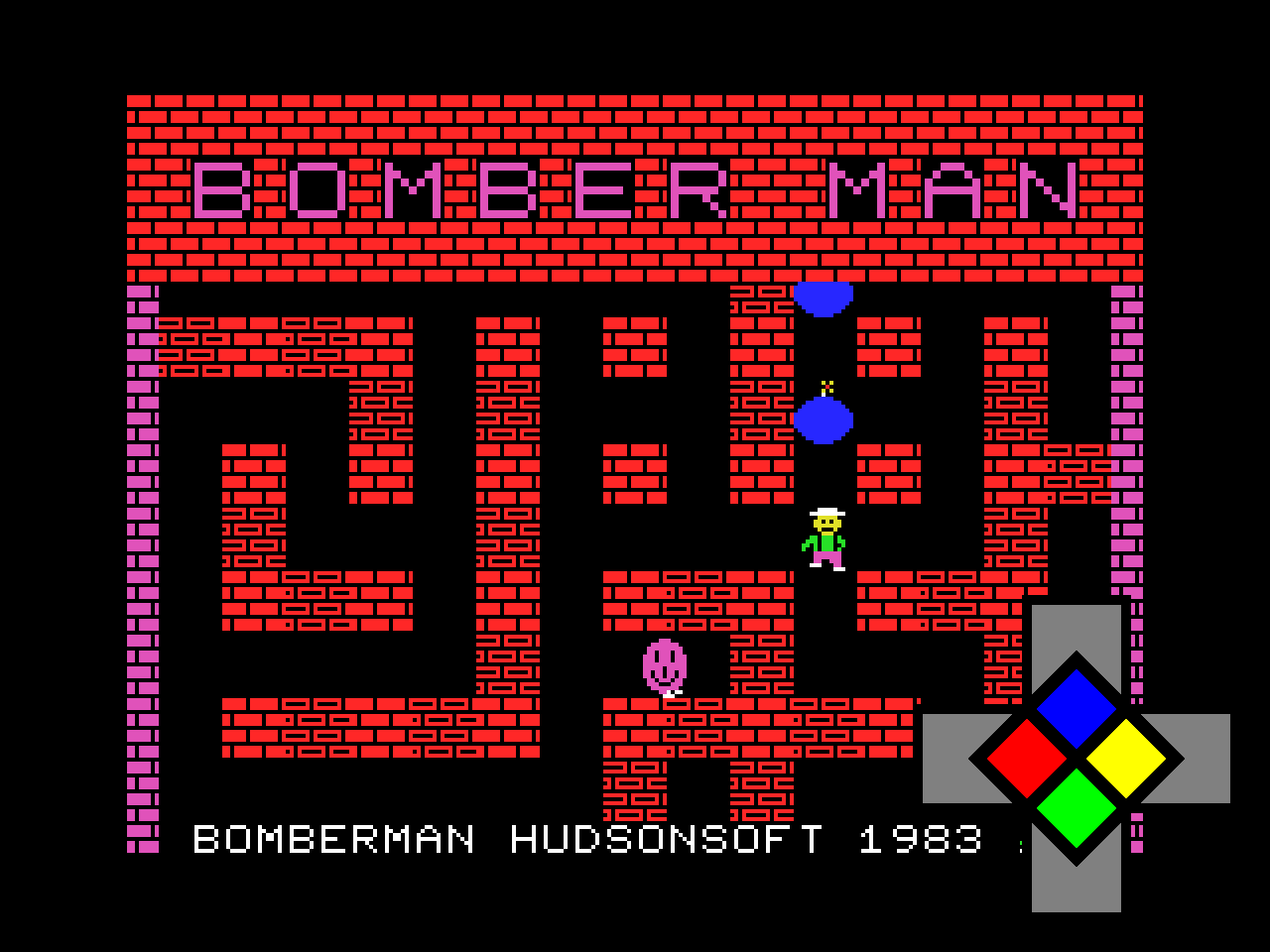
PC-88 · 1983
Bomberman
The original single-player maze game that started it all. Known in Japan as Bakudan-Otoko (Bomb Man). Simple concept, modest execution - but the seed of a dynasty.
Hudson Soft · Game Catalogue
From PC-88 origins to Super Famicom multiplayer - key Hudson Soft titles with platform, year, and design notes.
PC-88 · 1983
The original single-player maze game that started it all. Known in Japan as Bakudan-Otoko (Bomb Man). Simple concept, modest execution - but the seed of a dynasty.
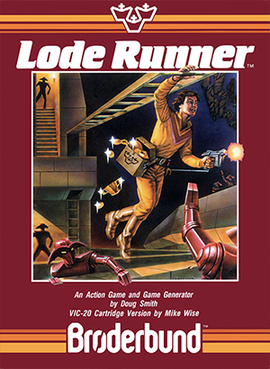
PC-88 / PC-98 · 1983
Hudson’s landmark port of Douglas Smith’s puzzle-platformer - one of the first games to individually credit its developer. Over one million copies sold across platforms.
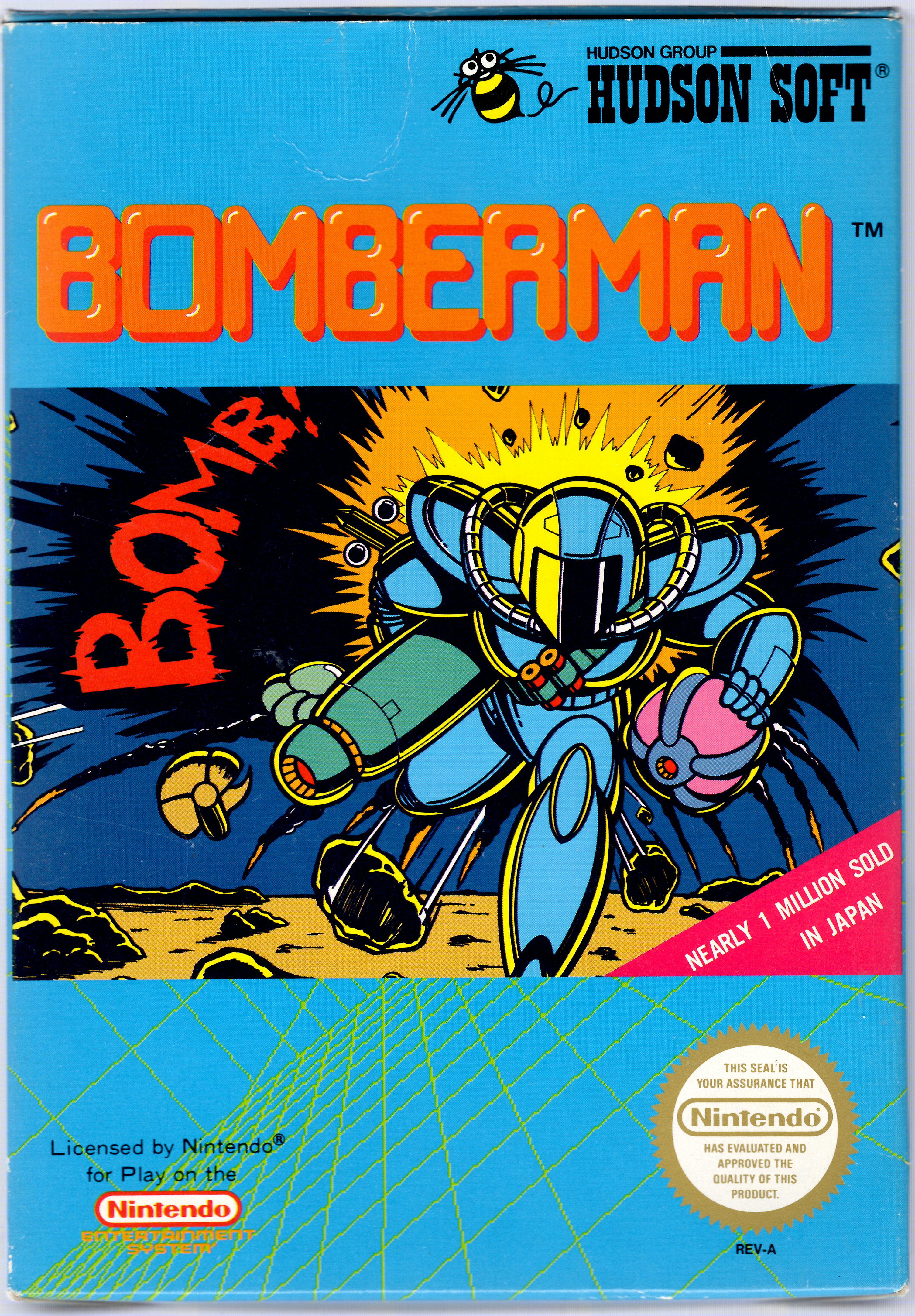
NES / Famicom · 1985
The Famicom release that introduced Bomberman to a mass audience. Refined maze mechanics and added personality that the PC-88 original lacked.
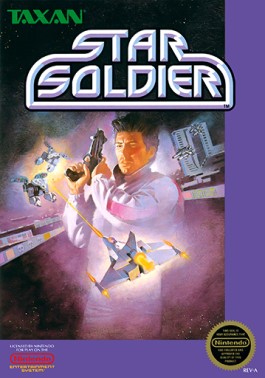
Famicom · 1986
Designed by Yuji Toyoda - a vertical shooter of unusual complexity and visual density. The game that elevated Hudson’s technical reputation on the Famicom platform.
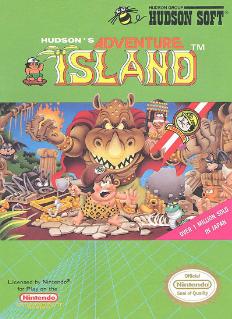
Famicom · 1986
A spiritual adaptation of Wonder Boy featuring Takahashi Meijin as inspiration for the protagonist. Launched a multi-game series and one of gaming’s earliest celebrity tie-ins.
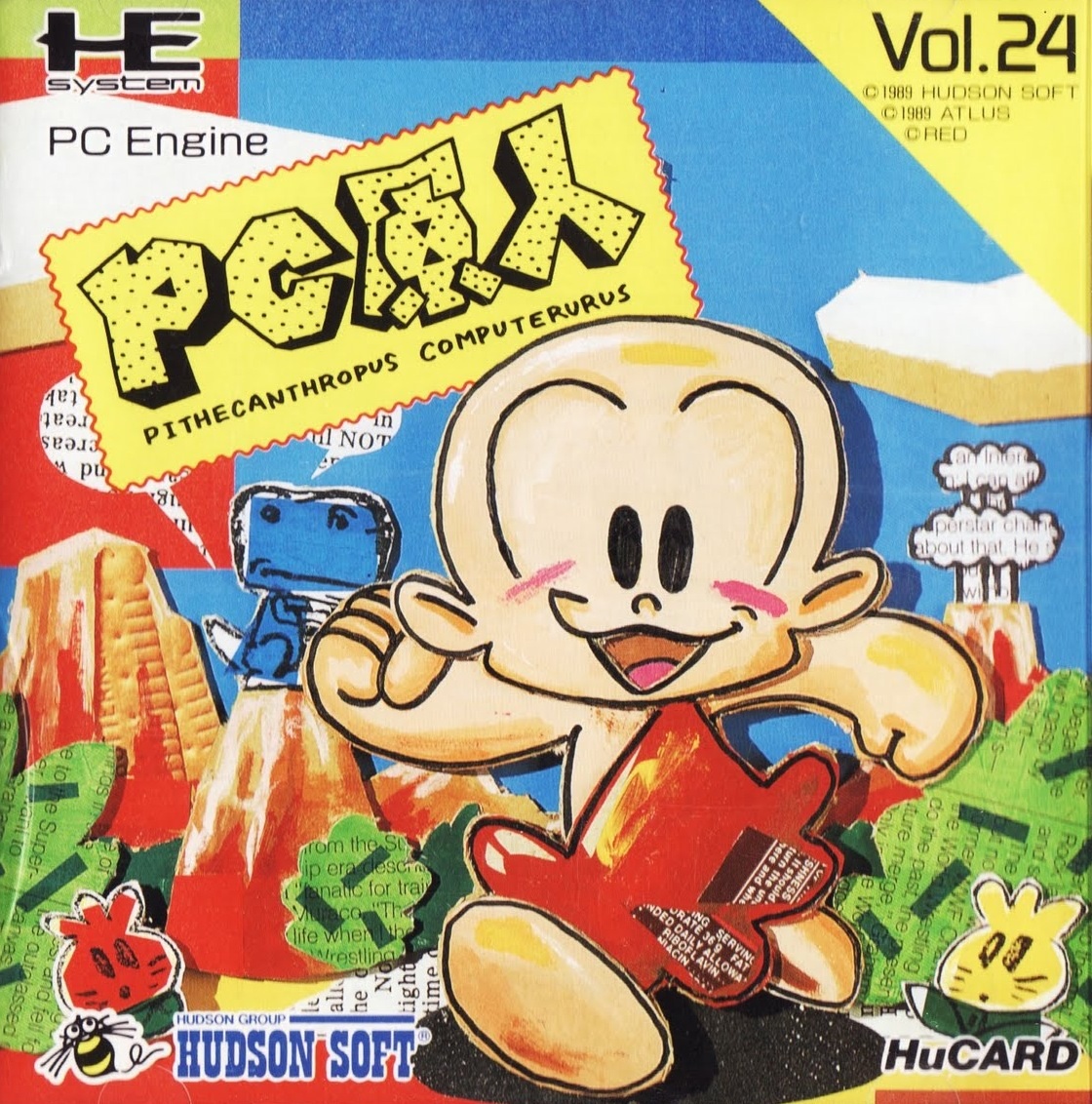
PC Engine · 1989
PC Genjin in Japan - the PC Engine’s mascot game. Fluid animation, creative boss design, and a cave-boy protagonist who headbutted everything. Spawned three sequels.
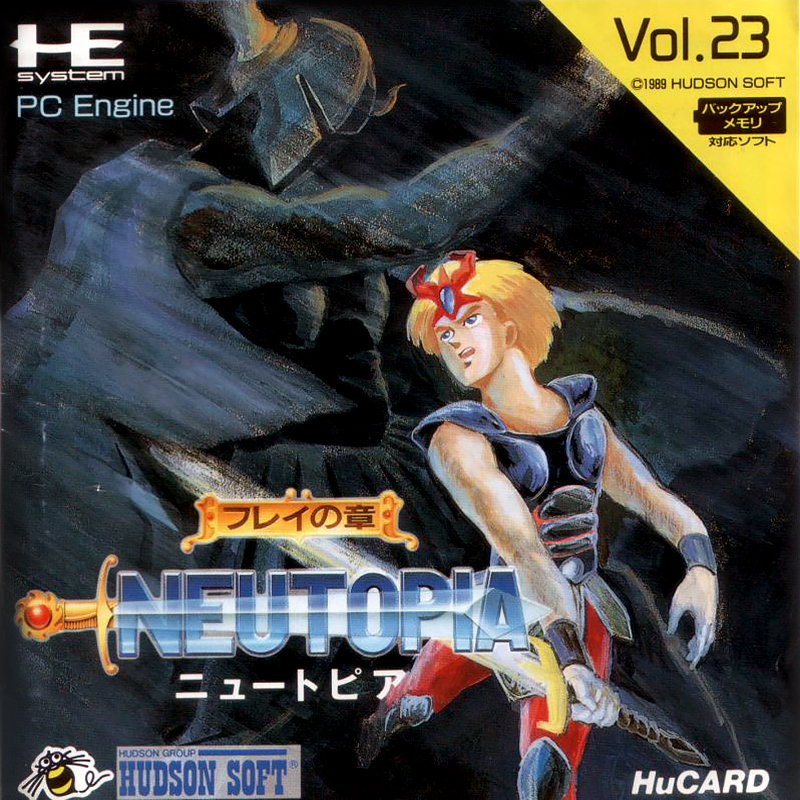
PC Engine · 1989
Hudson’s answer to The Legend of Zelda - a top-down action RPG with dungeon exploration, overhead combat, and a world design that was openly indebted to Nintendo’s landmark. Excellent for the platform.
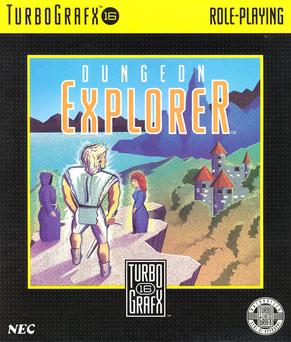
PC Engine · 1989
A 5-player cooperative dungeon crawler - one of the first multiplayer action-RPGs. Featured character classes, full co-op dungeon exploration, and multiple endings. Influential on the genre.
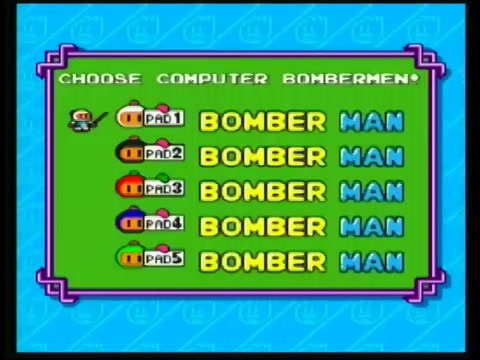
PC Engine · 1993
The game that defined multiplayer Bomberman - 5-player battle mode using the multitap transformed the franchise from maze game to party phenomenon. The template for everything that followed.
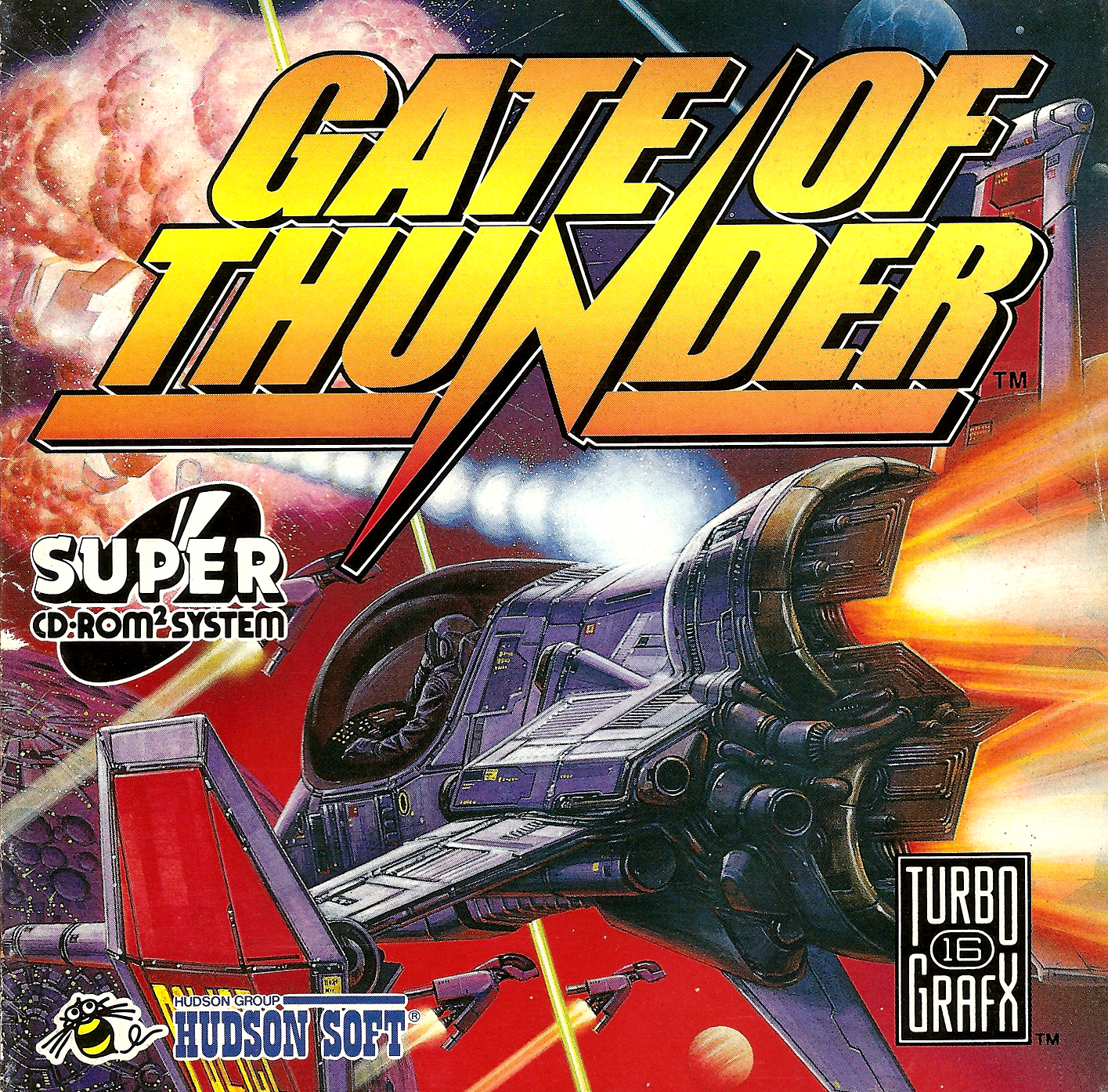
PC Engine CD · 1992
Hudson’s CD-ROM showcase - five stages of horizontal shooter action with redbook audio that transformed each level into a concert. The TurboDuo bundle title, justifying CD ownership alone.
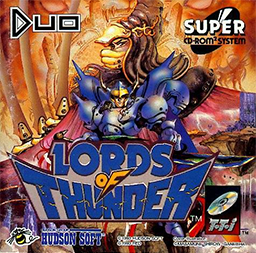
PC Engine CD · 1993
A fantasy-themed horizontal shooter with a heavy metal redbook audio soundtrack that matched Gate of Thunder’s audio ambition. Co-developed with RED Entertainment, published by Hudson.
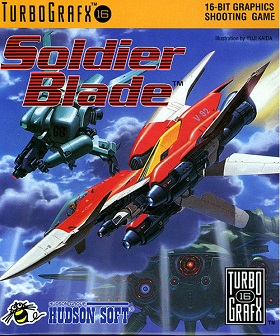
PC Engine · 1992
The third entry in Hudson’s Star Soldier lineage - a vertical shooter with weapon-mode selection and precise enemy patterns. Considered by many the definitive HuCard shooter.
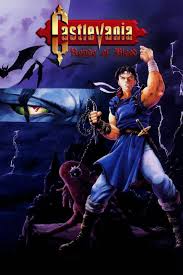
PC Engine CD · 1993
Castlevania: Rondo of Blood - developed by Konami, published by Hudson in Japan. Widely regarded as the series’ peak and the direct prequel to Symphony of the Night. CD-ROM voice acting at its best.
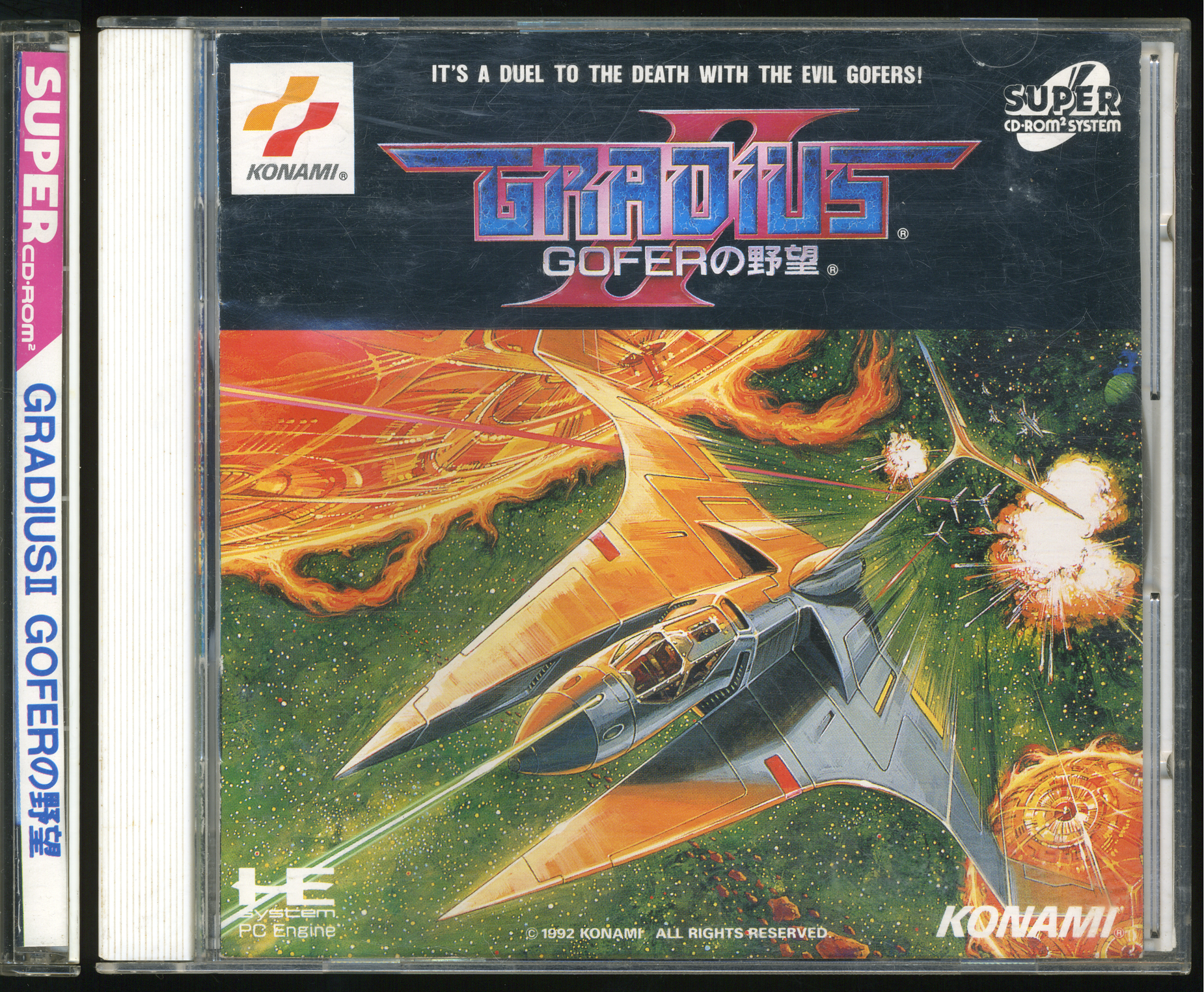
PC Engine CD · 1992
Konami’s arcade sequel published by Hudson for PC Engine CD. Features redbook audio arrangements of classic Gradius themes and graphics pushing the CD hardware hard.
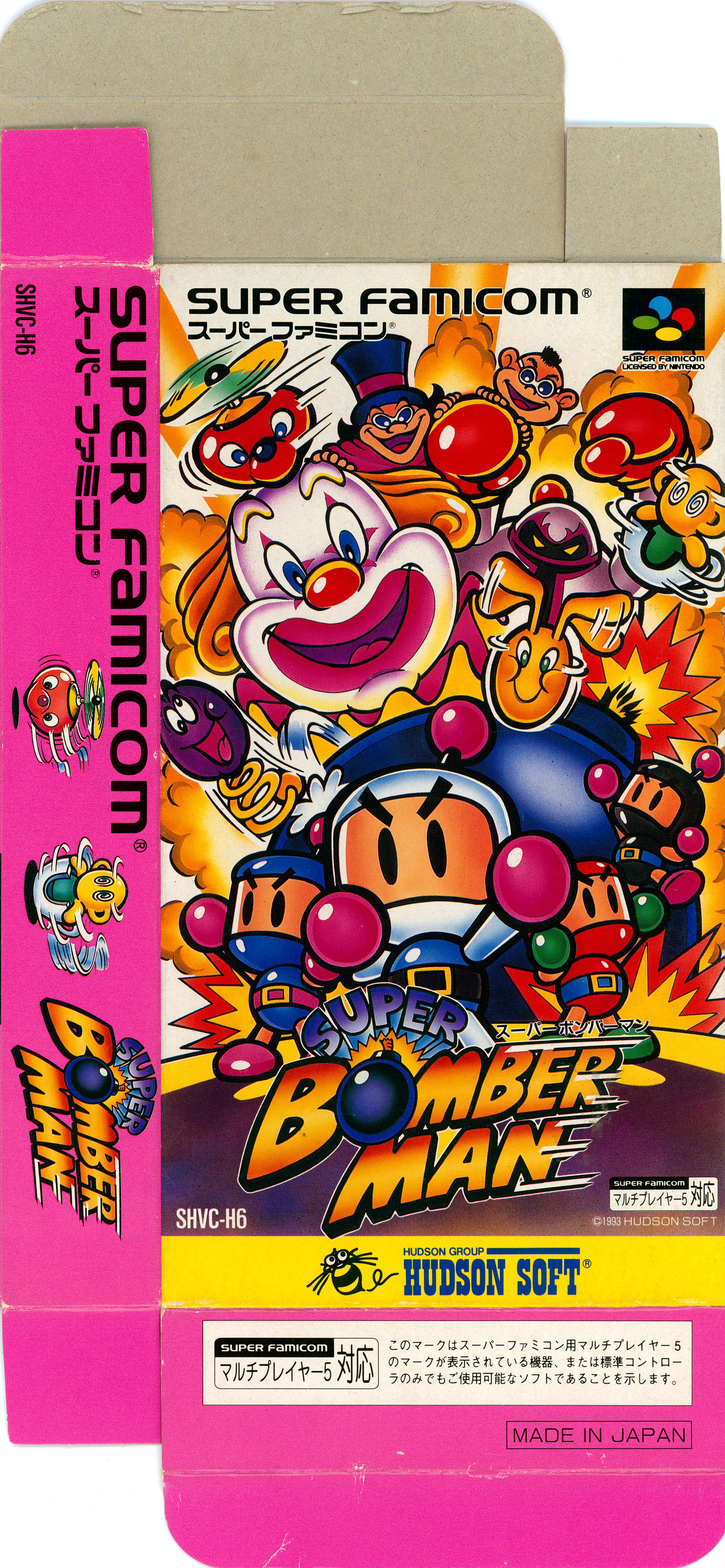
Super Famicom / SNES · 1993
The SNES debut of the Bomberman series - bringing the 5-player battle mode to Nintendo’s dominant platform. Five sequels followed. The Super Bomberman series established the franchise’s SNES identity.
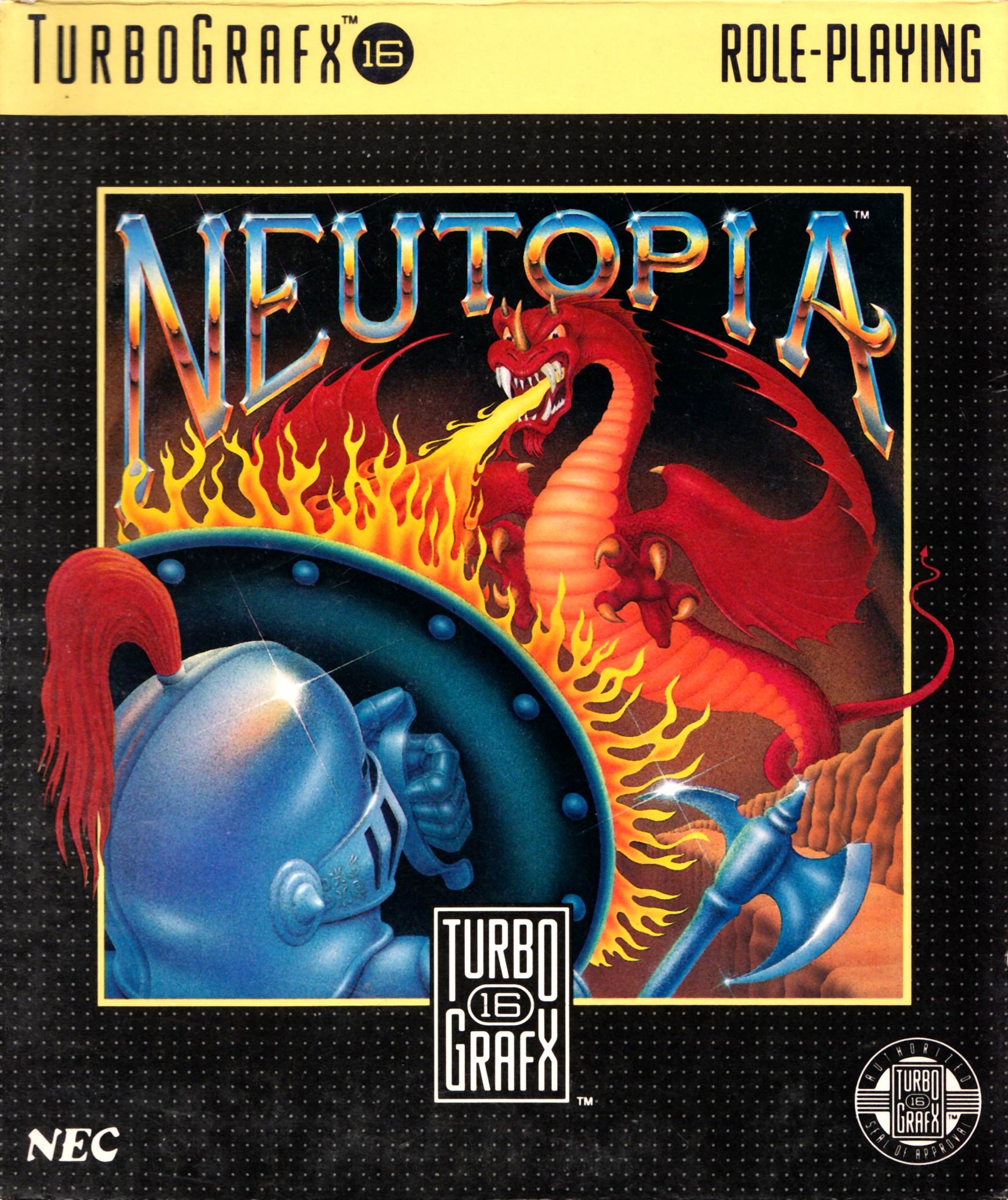
TurboGrafx-16 · 1990
Western TurboGrafx-16 release of Neutopia - localized for the North American market with updated artwork. The TG-16 version gave Western players access to one of the PC Engine’s finest action-RPGs.
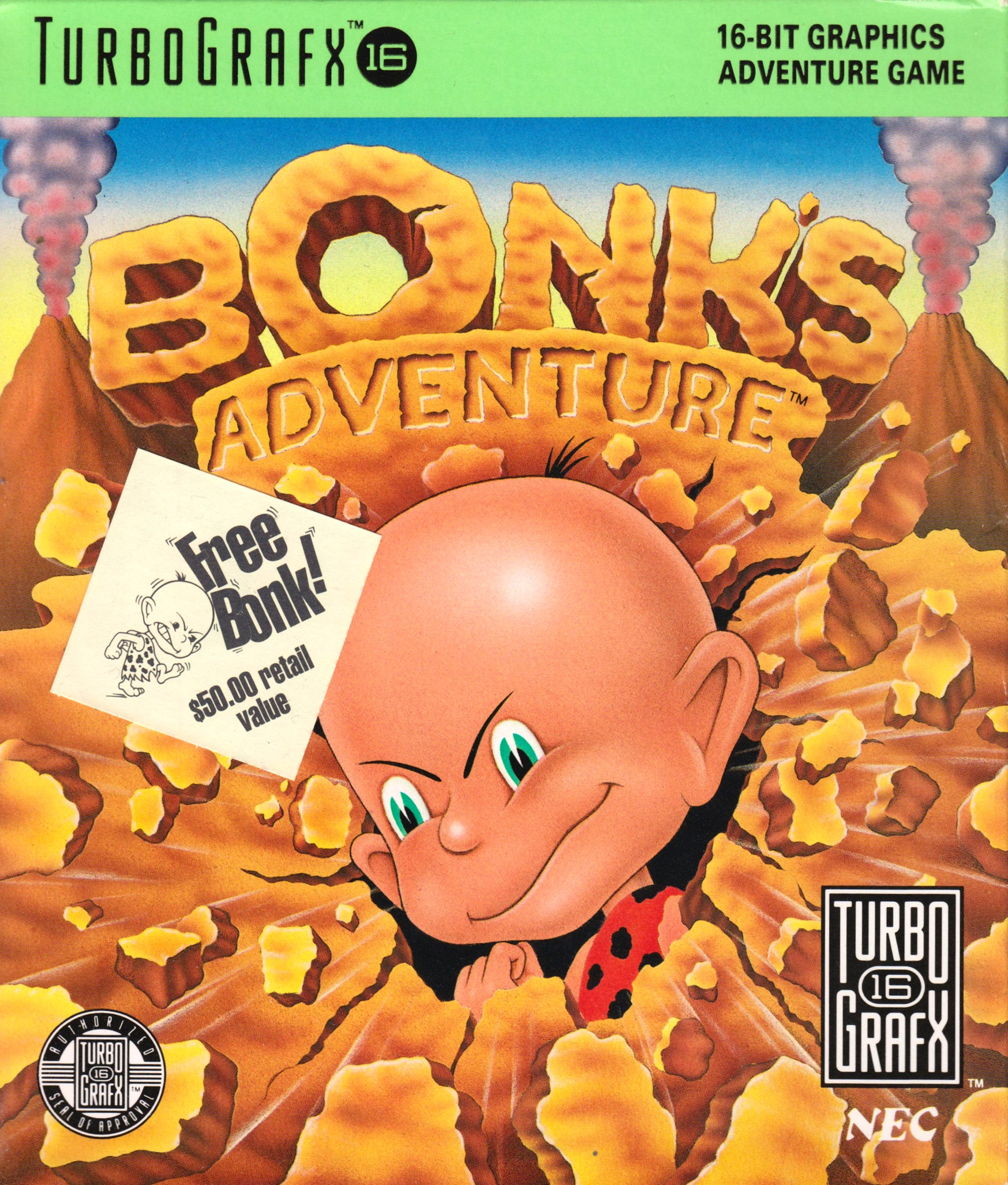
TurboGrafx-16 · 1990
The Western TurboGrafx-16 release of PC Genjin, renamed Bonk’s Adventure for North American audiences. Became the console’s unofficial mascot game in the West.
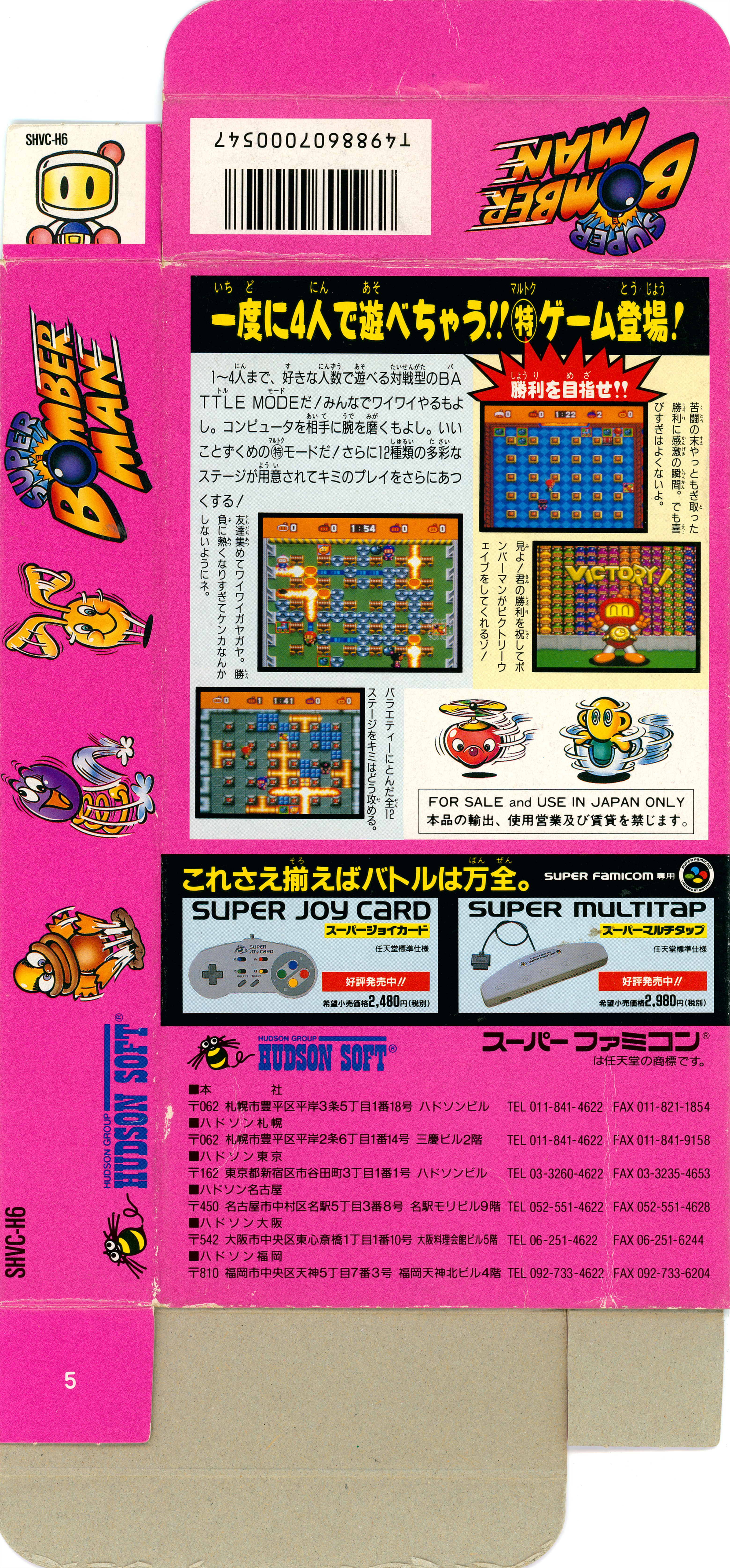
Super Famicom · 1997
The final entry in the SNES Super Bomberman series - five players, multiple themed worlds, and a refinement of the battle mode mechanics that had sustained the franchise through five iterations. The SNES swan song.