Nintendo R&D1 · 1980–1994 · Famicom / Game Boy Composer

Hirokazu Tanaka

The Sound of Lonely Worlds

The composer who gave Samus her silence - alien atmospheres built from empty channels,
Game Boy pixels scored to become the world’s earworm, and the psychedelic soul of Mother.

1980 Joined Nintendo
10+ Classic titles
NES FDS & Game Boy
1986 Metroid

Architect of Alien Silence

Hirokazu Tanaka (田中宏和), known in credits as “Hip” Tanaka, joined Nintendo in 1980 and spent fifteen years defining the sonic character of the company’s most alien, most intimate, and most infectious games. His output spans the Famicom, Famicom Disk System, and Game Boy - from the driving energy of Excitebike to the atmospheric void of Metroid to the world’s most-heard video game melody in Tetris Game Boy.

Where other Nintendo composers filled every available audio channel with melody, Tanaka built with silence - treating near-unused hardware channels as compositional elements in their own right. The caves of Zebes feel vast because of what he chose not to play. Full biography and collaborator profiles are on the people page.
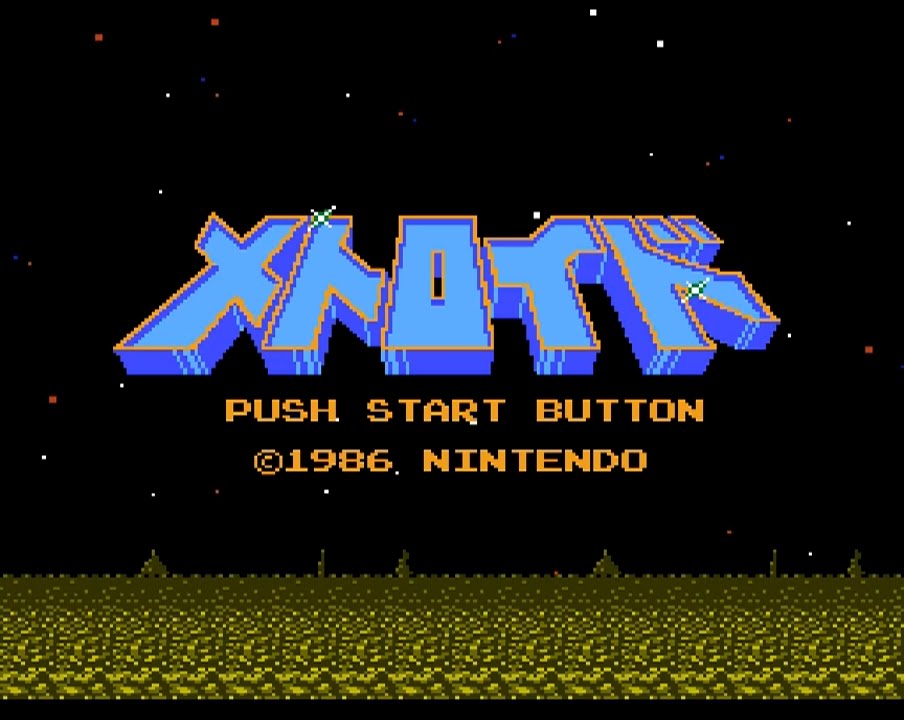
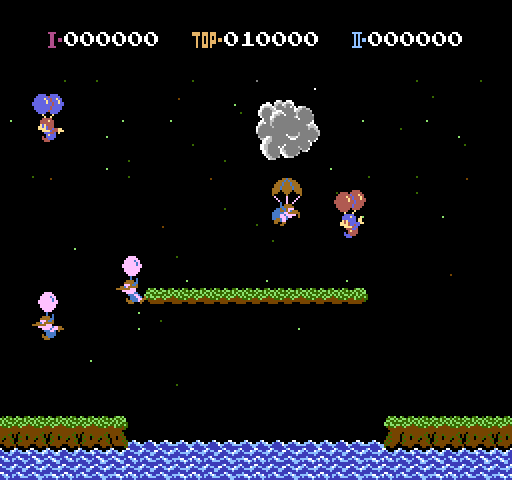
Worlds in Sound

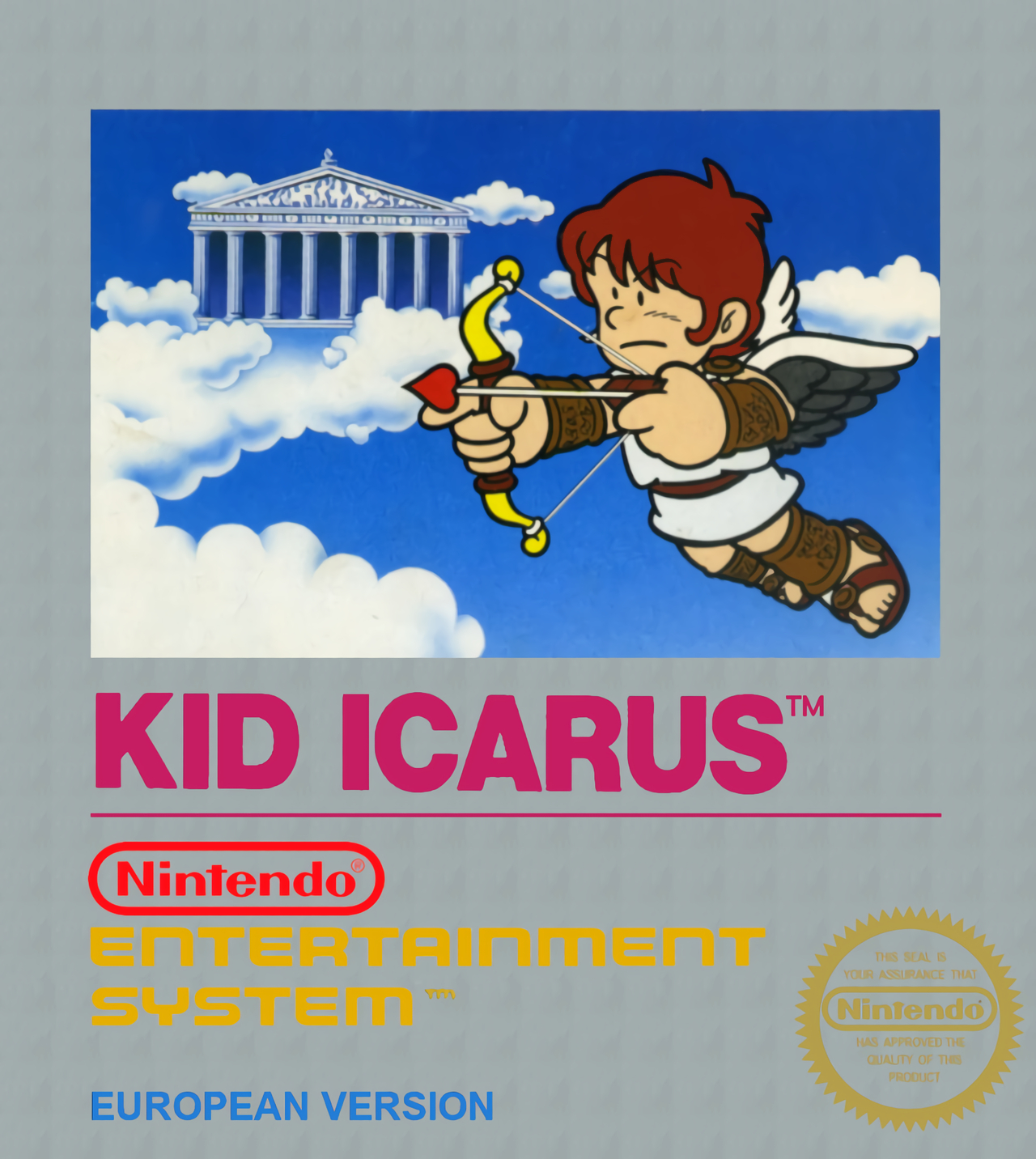
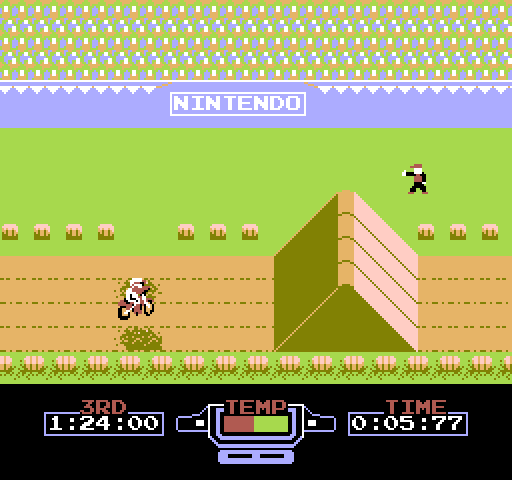
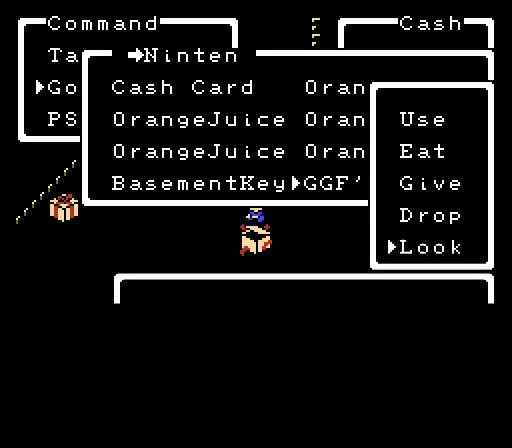
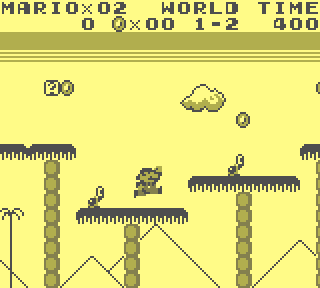
Metroid FDS title screen Balloon Fight NES title screen Kid Icarus NES box art Excitebike NES title screen Mother / EarthBound Beginnings gameplay Super Mario Land Game Boy title screen

Metroid - The Alien Score

Tanaka’s Metroid score is widely regarded as one of the NES era’s greatest achievements in atmosphere. Hear the Brinstar theme - one of the most distinctive pieces of 8-bit music ever composed - and explore the full sonic world of Zebes.

Defining Titles

Tanaka’s composing career ran from 1984 to 1994, producing a series of titles that each occupy a different register - from the energetic drive of Excitebike and Balloon Fight (both 1984) to the atmospheric isolation of Metroid (1986) to the heroic counterpoint of Kid Icarus (1986) and the psychedelic ambition of Mother / EarthBound Beginnings (1989).

In 1989, a single year, Tanaka produced three titles of lasting significance: Tetris Game Boy - whose Type A arrangement of “Korobeiniki” became one of the most-recognised pieces of music in human history - alongside Super Mario Land and Mother. His final composing credit was EarthBound (1994), where he served as sound director alongside Keiichi Suzuki.

The Metroid score is covered in depth on the flagship page. All composing credits with platform information and release years are listed in the full catalogue. Music from across the career is collected on the music page.

“The music of Metroid was meant to feel like you were alone in an alien world - the emptiness was the point. The silence between notes was as important as the notes themselves.” - Attributed to Hirokazu Tanaka (community retrospective)