Nintendo R&D1 · 1980–1994 · Famicom / Game Boy Composer

Hirokazu Tanaka

The Sound of Lonely Worlds

The composer who gave Samus her silence - alien atmospheres built from empty channels,
Game Boy pixels scored to become the world’s earworm, and the psychedelic soul of Mother.

1980 Joined Nintendo
10+ Classic titles
NES FDS & Game Boy
1986 Metroid

Architect of Alien Silence

Hirokazu Tanaka (田中宏和), also known as “Hip” Tanaka, joined Nintendo in 1980 and spent the following fifteen years defining the sonic character of the company’s most alien, most intimate, and most infectious games.

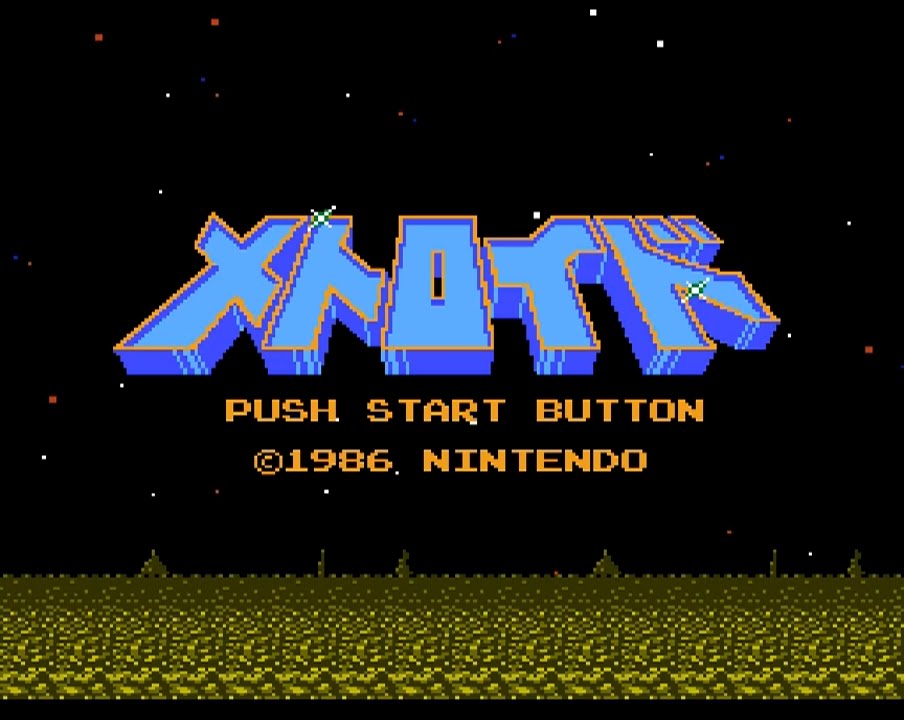
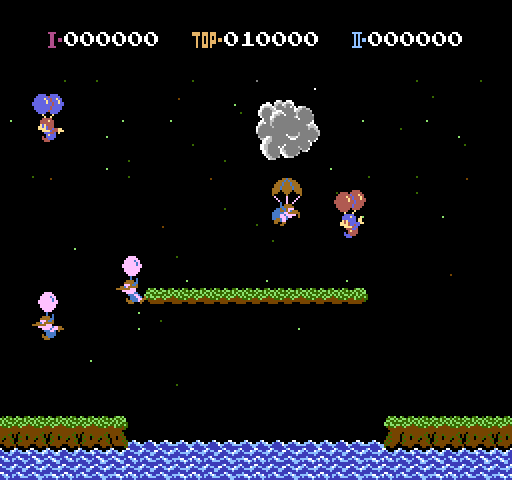
His early Famicom work - Balloon Fight, Excitebike, and Clu Clu Land (all 1984) - established him as a core member of Nintendo’s internal music team. But it was Metroid (Famicom Disk System, 1986) that revealed what he was truly capable of: an atmosphere-first approach that treated the NES sound chip not as an instrument to fill with melody, but as a space to inhabit with texture, drone, and deliberate silence.

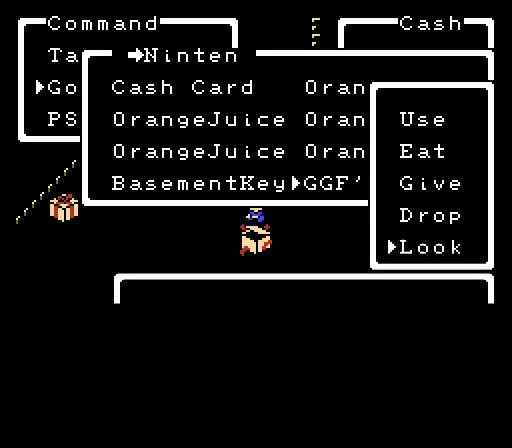
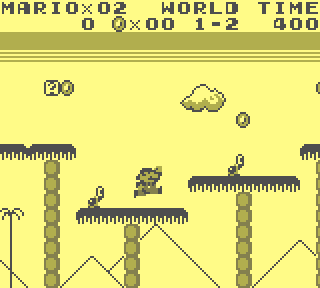
In 1989, Tanaka’s arrangement of the Russian folk song “Korobeiniki” for Tetris Game Boy became one of the most-played pieces of music in human history. That same year he composed Super Mario Land and the psychedelic score of Mother (EarthBound Beginnings) - an RPG whose music was directed by Shigesato Itoi toward The Beatles and avant-garde pop.

His final major composing credit was as sound director on EarthBound (1994), working alongside Keiichi Suzuki. He later became president of Creatures Inc., the studio that helped develop the Pokémon games.

Worlds in Sound

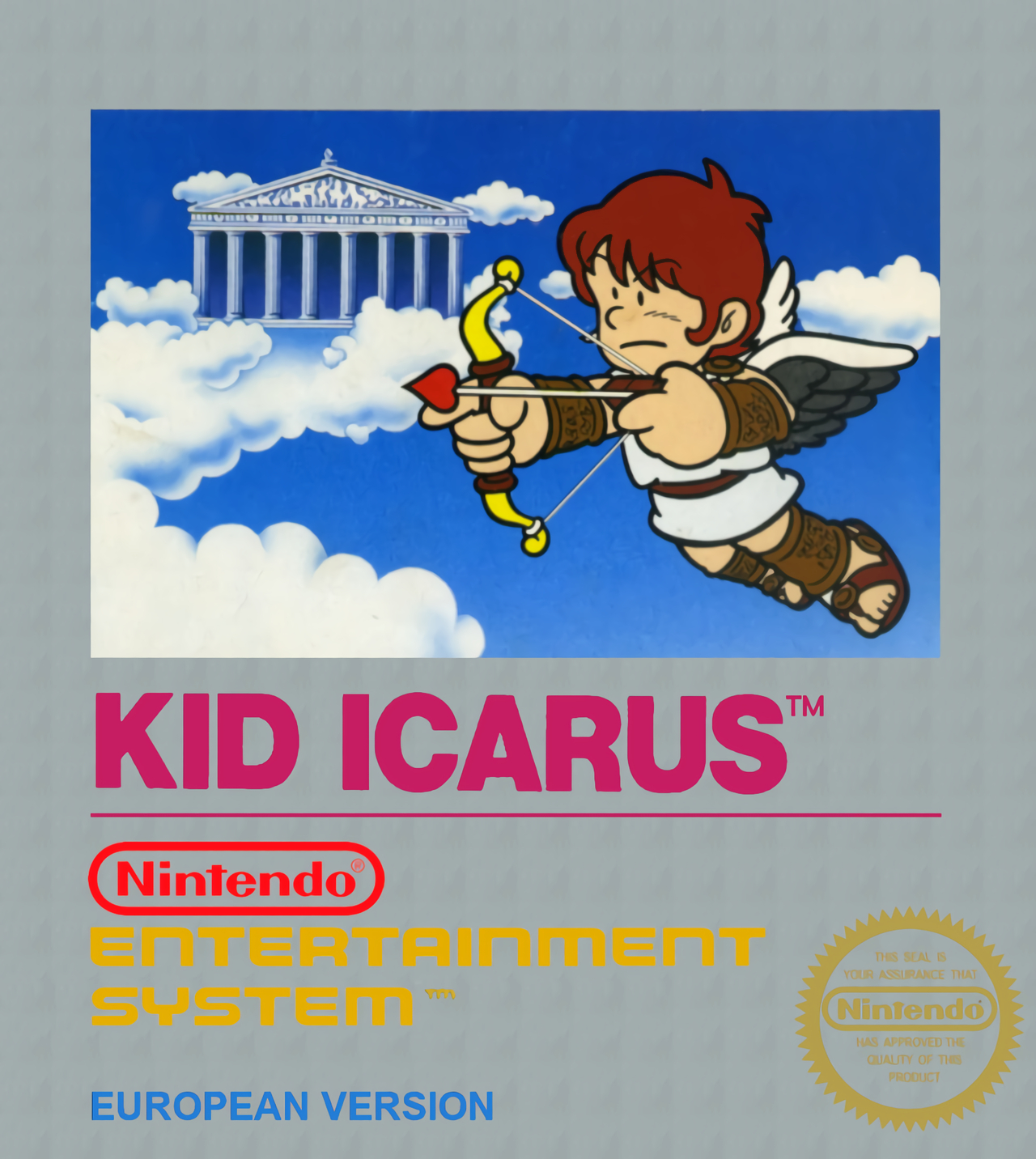
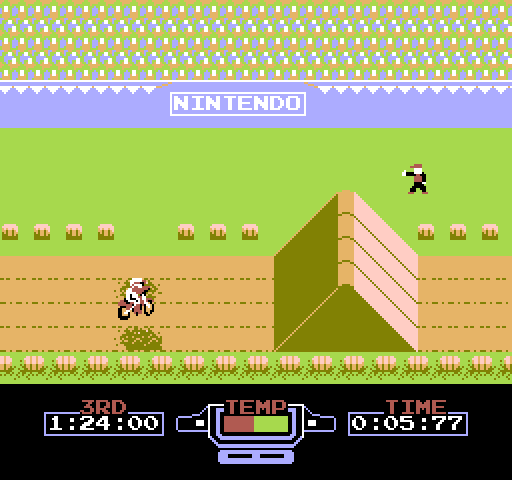
Metroid FDS title screen Balloon Fight NES title screen Kid Icarus NES box art Excitebike NES title screen Mother / EarthBound Beginnings gameplay Super Mario Land Game Boy title screen

Metroid — The Alien Score

Tanaka’s Metroid score is widely regarded as one of the NES era’s greatest achievements in atmosphere. Hear the Brinstar theme - one of the most distinctive pieces of 8-bit music ever composed - and explore the full sonic world of Zebes.

Defining Titles

Metroid FDS 1986

Metroid

1986 · Famicom Disk System / NES · Nintendo R&D1

Tanaka’s masterwork. An atmosphere-first score built from drone, silence, and deliberate restraint - the alien caves of Zebes rendered in 5 NES channels.

Deep dive →
Tetris Game Boy (1989)

Tetris (Game Boy)

1989 · Game Boy · Nintendo

Type A - an arrangement of the 19th-century Russian folk song “Korobeiniki” - became one of the most-played pieces of music in history as the Game Boy’s defining theme.

Hear the music →
Mother EarthBound Beginnings

Mother (EarthBound Beginnings)

1989 · Famicom · Nintendo / APE Inc.

Directed by Shigesato Itoi toward The Beatles and psychedelia - an RPG soundtrack unlike anything else on the Famicom, and a defining moment in game music history.

Hear the music →
Kid Icarus NES box art

Kid Icarus

1986 · Famicom Disk System / NES · Nintendo R&D1

Co-developed with Metroid by the same R&D1 team, Kid Icarus features a score that balances heroic fanfares with the same FDS wavetable richness as its sibling title.

Full catalogue →
Dr. Mario NES

Dr. Mario

1990 · NES & Game Boy · Nintendo

“Fever” and “Chill” - two of the most instantly recognisable themes in puzzle game history, simultaneously released for NES and Game Boy.

Hear the music →
Excitebike NES

Excitebike

1984 · Famicom / NES · Nintendo

One of Tanaka’s earliest credits - an energetic racing score that marked the beginning of his Famicom composing career alongside Balloon Fight and Clu Clu Land.

Full biography →
“The music of Metroid was meant to feel like you were alone in an alien world - the emptiness was the point. The silence between notes was as important as the notes themselves.” - Attributed to Hirokazu Tanaka (community retrospective)