Populous
1989 — Electronic Arts
The first god game. Players reshape landscapes and guide followers against rival civilisations. Over four million copies sold.
All Titles
Twenty-two titles across seventeen years - filter by platform to explore Bullfrog's complete output. See History for context on each era.
1989 — Electronic Arts
The first god game. Players reshape landscapes and guide followers against rival civilisations. Over four million copies sold.
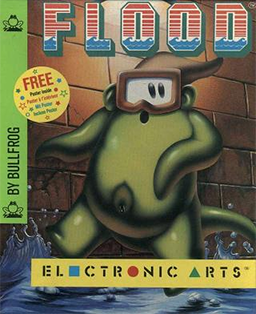
1990 — Mirrorsoft
A platform game featuring Quavers the frog navigating a flooded world. Demonstrating Bullfrog's range beyond the god game.
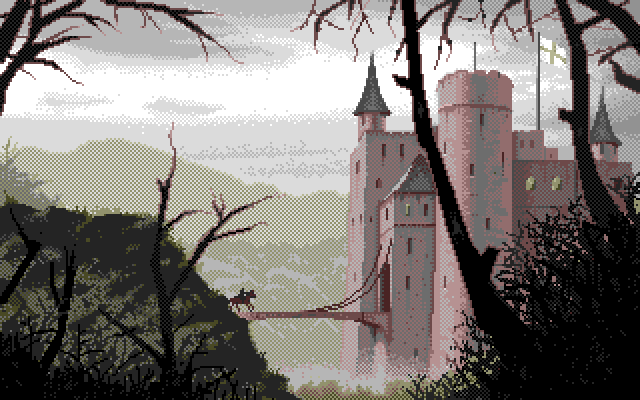
1990 — Electronic Arts
Real-time strategy built on the Populous engine. Players control a warlord conquering territories through military force or diplomacy.
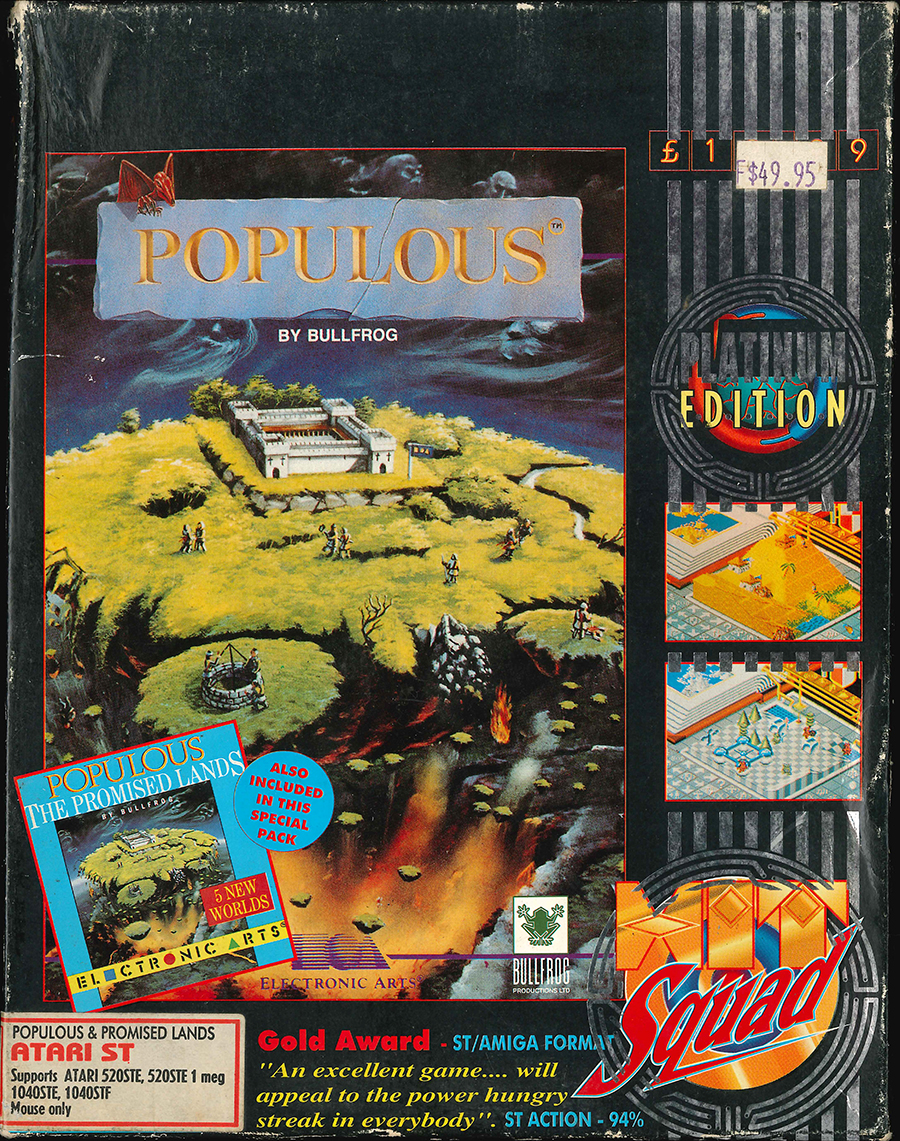
1990 — Electronic Arts
Expansion data disk for Populous. Additional worlds and scenario challenges extending the original's gameplay.
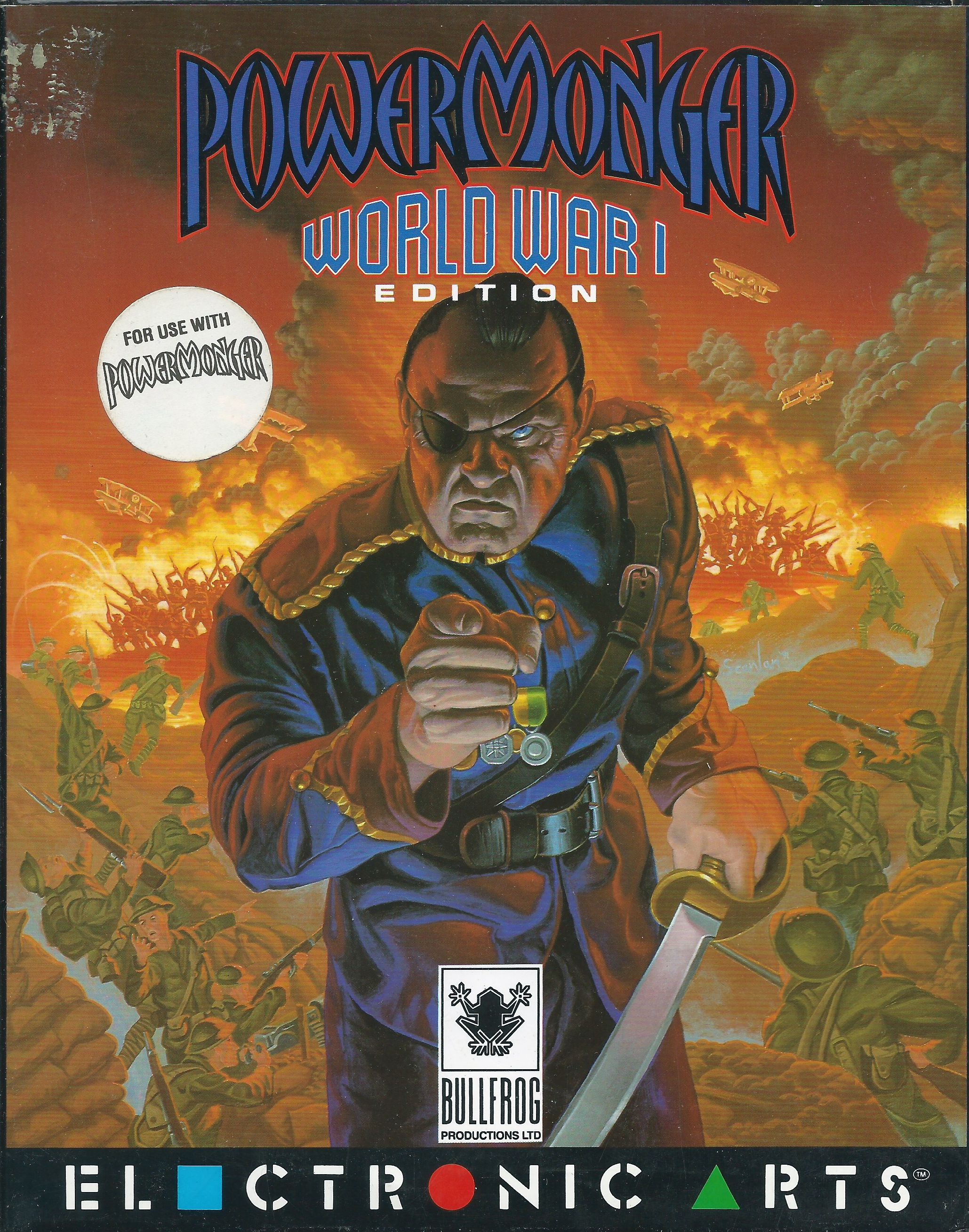
1991 — Electronic Arts
Data disk for Powermonger set in World War I. Additional campaign scenarios with period-appropriate units and setting.
1991 — Electronic Arts
The sequel to Populous. Greek mythology setting with over 1,000 levels and expanded divine powers including lightning, earthquakes, and plagues.
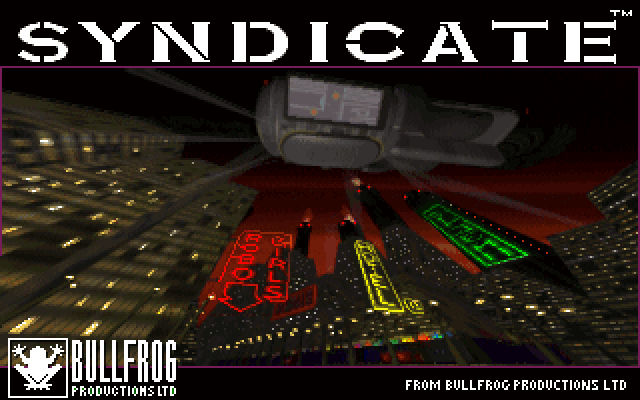
1993 — Electronic Arts
Cyberpunk isometric real-time strategy. Control corporate agents in a dystopian world, completing missions through violence or persuasion.
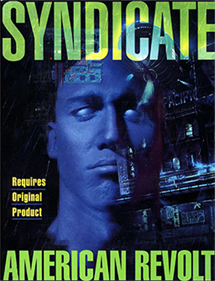
1993 — Electronic Arts
Expansion for Syndicate set in North America. 21 additional missions continuing the cyberpunk corporate warfare narrative.
1994 — Electronic Arts
Build, manage, and maximise profit from an amusement park. The definitive management simulation of the early 1990s - cheerful surface, cutthroat economics beneath.
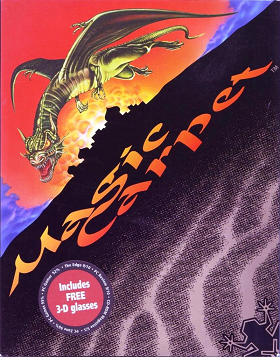
1994 — Electronic Arts
First-person action on a fully deformable landscape. Technically extraordinary for its time, years ahead in real-time 3D rendering.
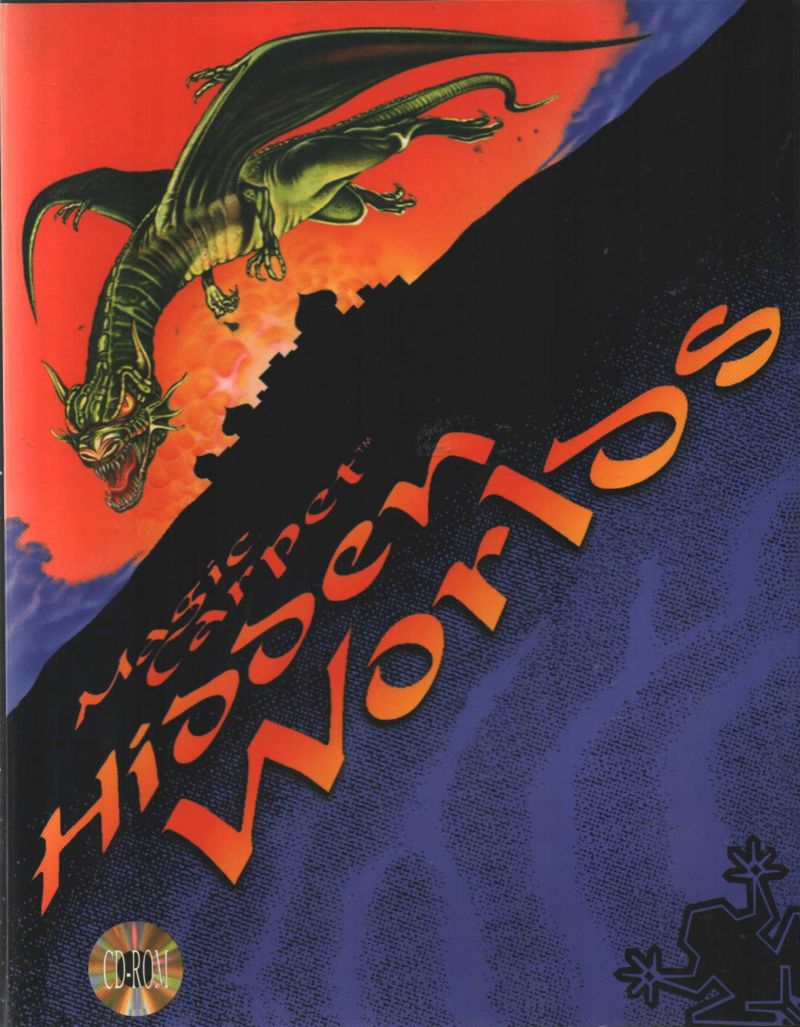
1995 — Electronic Arts
Expansion for Magic Carpet. Additional worlds and levels extending the original's first-person sorcery action.
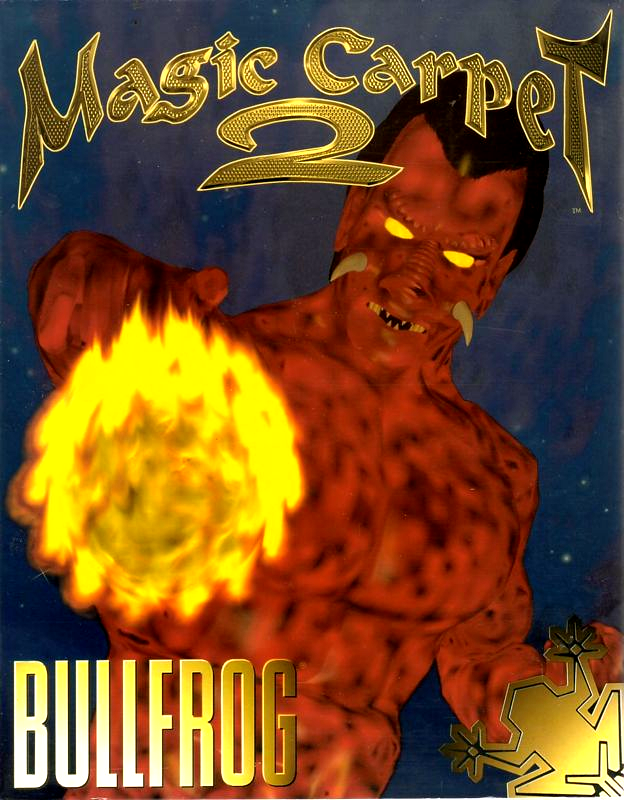
1995 — Electronic Arts
Sequel to Magic Carpet. Underground environments, new spell sets, and improved rendering technology. Russell Shaw returns on soundtrack.
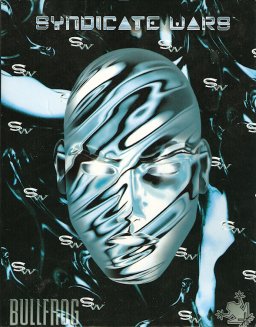
1996 — Electronic Arts
Sequel to Syndicate with enhanced 3D perspective. Corporate dystopia deepened with new factions, weapons, and a more elaborate campaign structure.
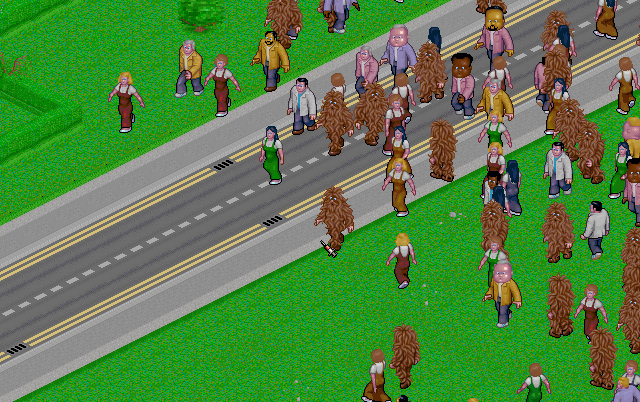
1997 — Electronic Arts
Manage a hospital full of absurd diseases and comically named conditions. A masterpiece of management simulation with Bullfrog's signature dark humour.
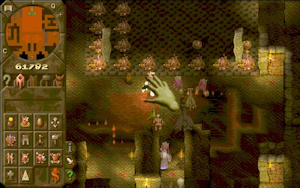
1997 — Electronic Arts
Play the villain. Build the dungeon, attract creatures, and repel heroic invaders. The moral inversion that defined late Bullfrog.
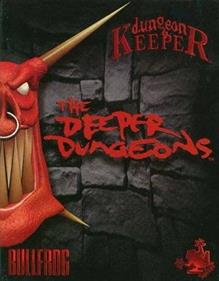
1997 — Electronic Arts
Expansion for Dungeon Keeper. 15 additional maps with significantly increased difficulty for veteran keepers.
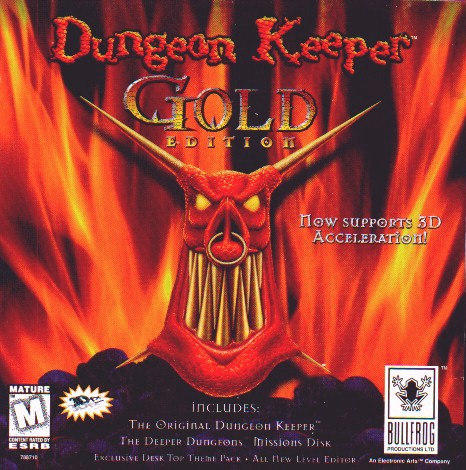
1997 — Electronic Arts
Enhanced edition of Dungeon Keeper including The Deeper Dungeons expansion. The definitive version of the original - available on GOG.com.
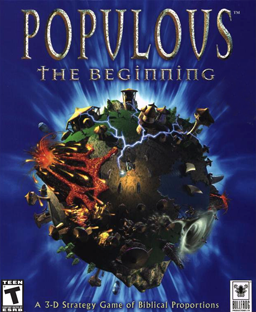
1998 — Electronic Arts
A reinvention in full 3D. The player controls a shaman leading a tribe through 25 planets. Visual spectacle and strategic depth in equal measure.
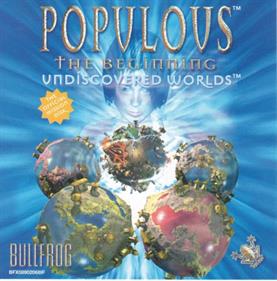
1999 — Electronic Arts
Expansion for Populous: The Beginning. Additional planets and scenarios for the 3D god game reinvention.
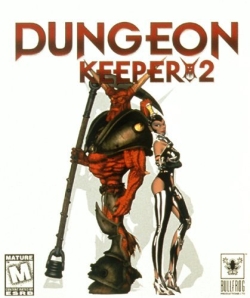
1999 — Electronic Arts
The sequel to Dungeon Keeper, developed after Molyneux's departure. Enhanced creature AI, improved graphics, and new dungeon building mechanics.
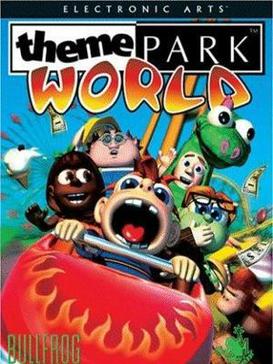
1999 — Electronic Arts
3D reinvention of the Theme Park series. Known as Sim Theme Park in North America. Four themed park worlds across Halloween, Space, Adventure, and Horror zones.

1995–96 — Ocean Software / EA
Console conversions of Syndicate for PlayStation and Mega Drive. Adapted controls and interface for gamepad play while preserving the core isometric strategy gameplay.

1994–96 — Electronic Arts / Bullfrog
Console ports of Theme Park for PlayStation, Mega Drive, and handheld platforms. Adapted the management simulation for console play with simplified interfaces.