Britannia's expanded universe - dungeons, jungles, Mars, and the internet.
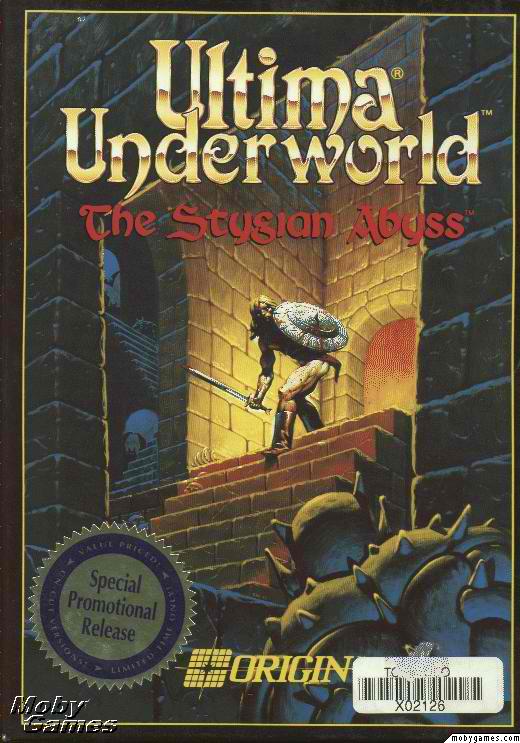
Ultima Underworld: The Stygian Abyss (1992)
Ultima Underworld - Looking Glass Productions, 1992
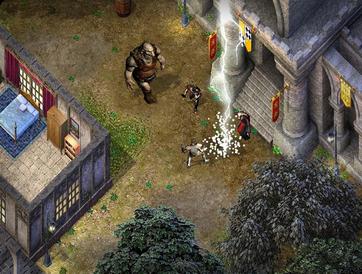
Developed by Blue Sky Productions (later Looking Glass Studios) and published by Origin Systems, Ultima Underworld: The Stygian Abyss is one of the most technically and conceptually significant games ever made. Set beneath Britannia in an eight-level dungeon system, the game required the player to descend into the Abyss to rescue the kidnapped daughter of Baron Almric.
The Stygian Abyss is not a sequence of combat rooms - it is a world. Each level has its own ecosystem: factions of trolls, lizardmen, humans, and goblins who trade, fight, and live by their own rules. The player can fight, negotiate, trade, sneak, or barter their way through most encounters. Physics govern the environment: objects fall, water flows, fire spreads.
Platforms: DOS · Developer: Blue Sky Productions · Publisher: Origin Systems
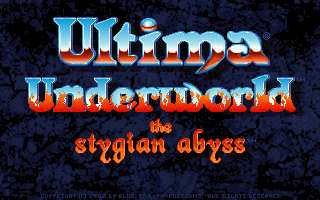
The Stygian Abyss - textured 3D in 1992
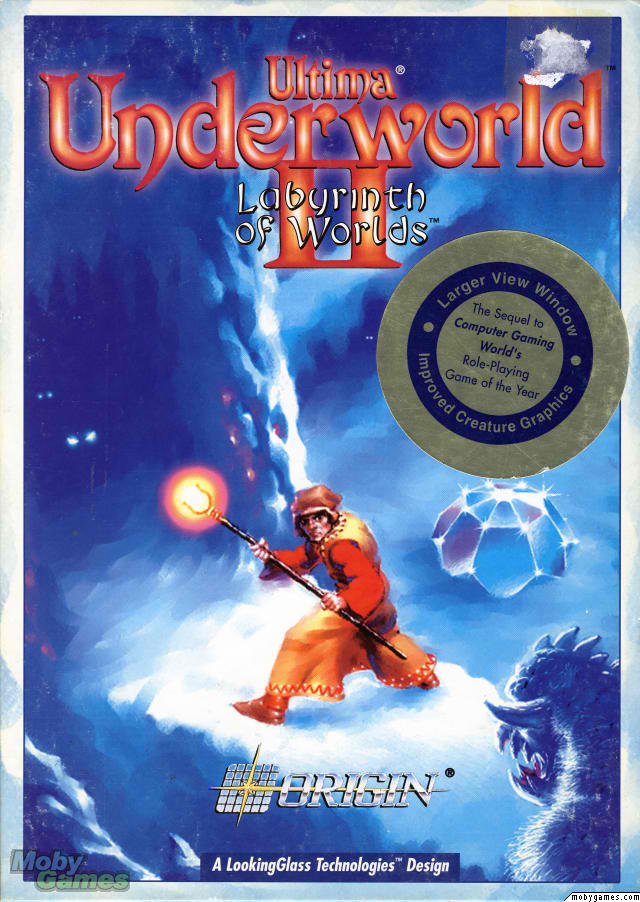
Ultima Underworld II: Labyrinth of Worlds (1993)
The sequel expanded the concept dramatically. Set during Ultima VII's timeline - while Lord British hosts a victory celebration - the Guardian traps the castle under a black dome of energy. The Avatar finds an ethereal gem that serves as a portal to eight different worlds, each a unique environment with its own rules, inhabitants, and crises.
Underworld II features greater variety than its predecessor, with environments ranging from a prison colony to a void dimension to a Teotwawki - a world at war. The writing is sharper, the characters more developed, and the engine refined with improved performance and more complex scripting.
Platforms: DOS · Developer: Looking Glass Studios · Publisher: Origin Systems
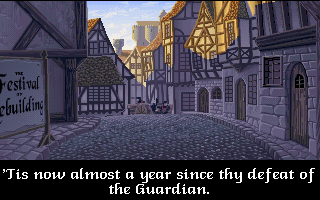
Underworld II - the expanded Labyrinth
Worlds of Ultima: The Savage Empire (1990)
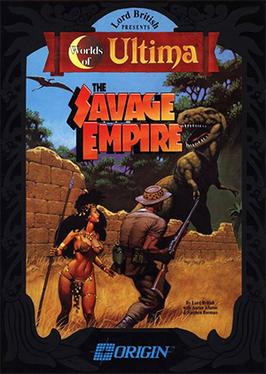
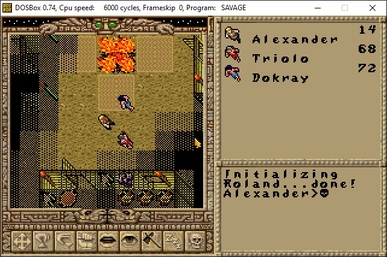
The Avatar is accidentally transported to Eodon, a hidden prehistoric valley populated by tribal humans, dinosaurs, and giant insects. Using the Ultima VI engine, The Savage Empire sends the familiar RPG formula to a science-fiction pulp setting inspired by Arthur Conan Doyle's The Lost World.
The game features ten tribes of primitive humans, a complex inter-tribal political situation, and a threat from giant insect overlords. The Avatar must unite the tribes to defeat the Myrmidex - a eusocial insect species bent on conquest. The tone is lighter than the main series, with comedic elements and pop-culture references unusual for Ultima.
Platforms: DOS, Amiga · Developer: Origin Systems
Eodon - dinosaurs and tribal politics
Worlds of Ultima: Martian Dreams (1991)
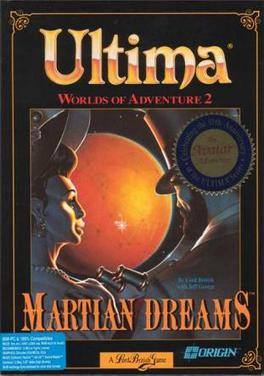
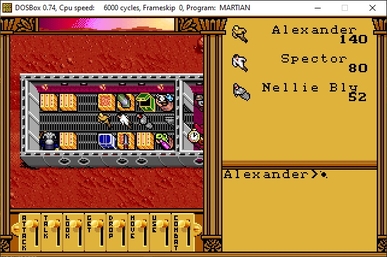
The most eccentric and charming of the Ultima spinoffs. Set in an alternate 1895 where a space cannon launched famous Victorians to Mars - including Nikola Tesla, Thomas Edison, Nellie Bly, Percival Lowell, and Sigmund Freud - Martian Dreams is part steampunk adventure, part Victorian science fiction, part character study.
The Avatar must follow these stranded Victorians to Mars and rescue them while uncovering the ruins of an ancient Martian civilisation. The game features Martian dream technology that allows characters to enter a shared dreamscape, and a mystery involving the trapped psyches of the Martian population.
Martian Dreams represents Ultima at its most playful and imaginative, departing entirely from the Britannia setting while retaining the series' emphasis on systemic world design and moral complexity.
Platforms: DOS · Developer: Origin Systems
Mars, 1895 - Victorians on the Red Planet
Ultima Online (1997)
Ultima Online was not a sequel to the main series - it was the realisation of Garriott's original ambition: a persistent world inhabited by real people. Launched in September 1997, UO predated EverQuest by two years and World of Warcraft by seven, establishing virtually every convention of the MMO genre.
At launch, UO had 50,000 subscribers. Within six months: 100,000. It peaked at around 250,000 subscriptions - remarkable for the era. The game supported both player killers (PK) and peaceful players on the same servers, creating a genuinely dangerous virtual world that reflected Britannia's moral complexity in emergent social form.
UO continues to operate on official servers and an active free-shard network. It is one of the oldest continuously operating online games in history.
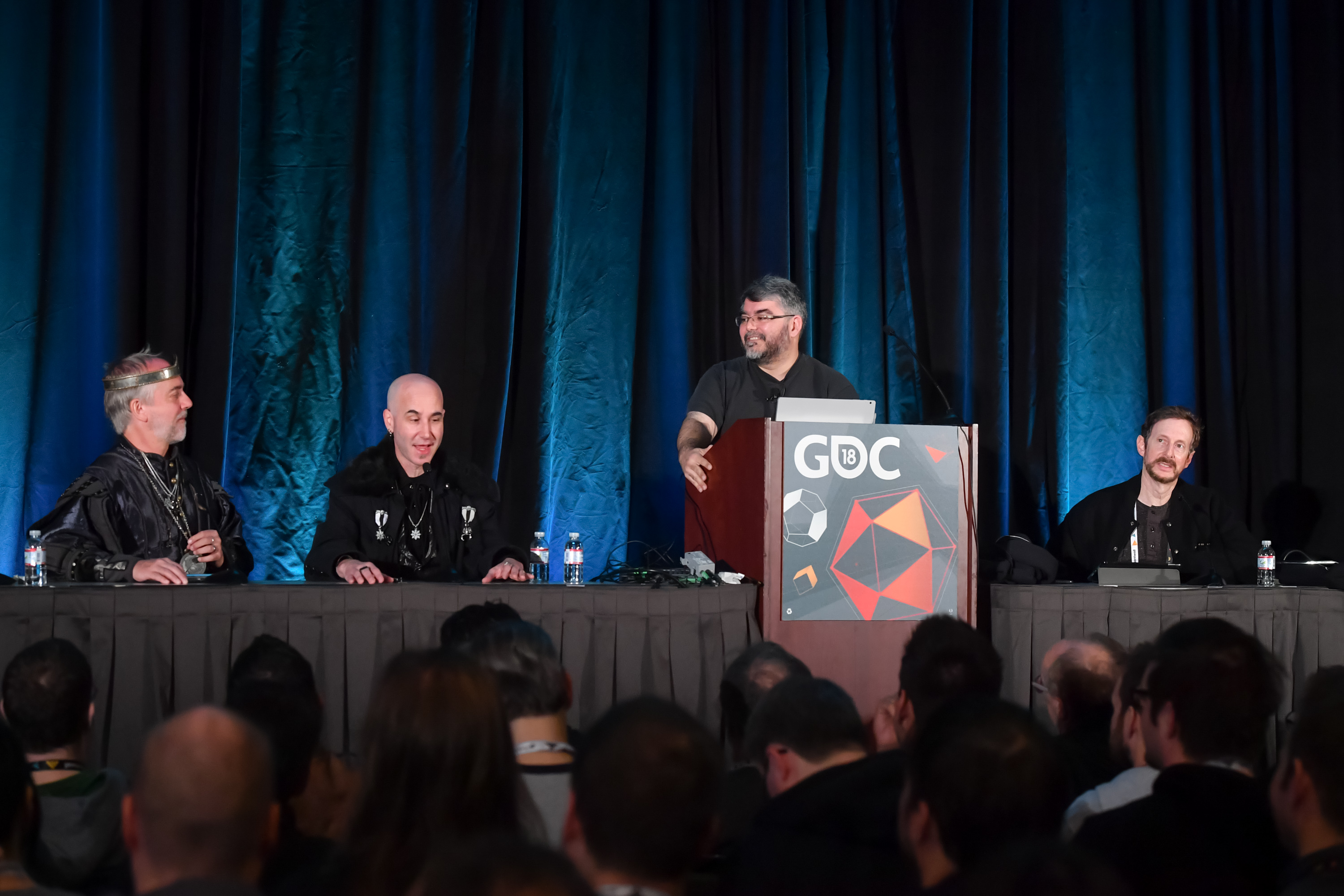
The UO team at Origin: Garriott, Starr Long, Raph Koster, Rich Vogel
Ultima: Runes of Virtue (1992)
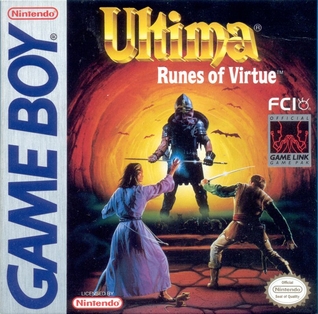
A top-down action RPG for the original Game Boy, Runes of Virtue adapts Ultima's Britannia setting and Virtue system for portable play. Eight Virtue Runes have been stolen by the Black Knight, and the player must recover them from eight dungeons corresponding to the Eight Virtues.
A sequel, Runes of Virtue II, followed in 1994, improving the engine and adding a second player mode. Both games are fondly remembered as competent portable Ultima experiences.