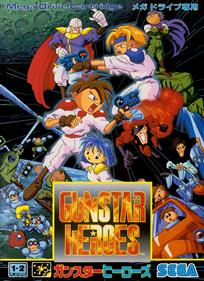
Gunstar Heroes
1993 — Mega Drive — Sega
Treasure's debut. A run-and-gun with combinable weapons (four base shots merging into ten combinations) and physics-driven boss encounters. Two-player co-op. Directed by Masato Maegawa, music by Norio Hanzawa.
Sixteen titles across Mega Drive, Saturn, N64, GameCube, PS2, DS, and Wii. Filter by platform era.
1993 — Mega Drive — Sega
Treasure's debut. A run-and-gun with combinable weapons (four base shots merging into ten combinations) and physics-driven boss encounters. Two-player co-op. Directed by Masato Maegawa, music by Norio Hanzawa.
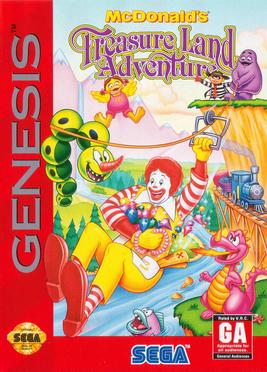
1993 — Mega Drive — Sega
A licensed platformer starring Ronald McDonald, published by Sega. Mechanically straightforward relative to Treasure's other output but polished and visually inventive. Treasure's second release and their only licensed platform game.
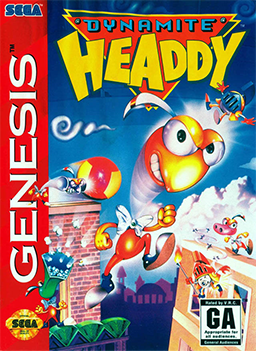
1994 — Mega Drive — Sega
A puzzle platformer built around a detachable head mechanic. Heady can throw his head as a projectile, grab ledges with it, and swap it for special head types that change his abilities. Visual variety across levels is exceptional.
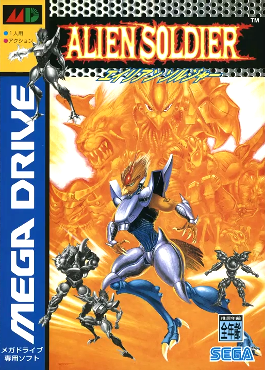
1995 — Mega Drive — Sega
A run-and-gun structured almost entirely as a boss rush. Forty-one bosses across the game's runtime. Released in Japan and Europe only - no North American retail release. Widely regarded as the pinnacle of Mega Drive action design.
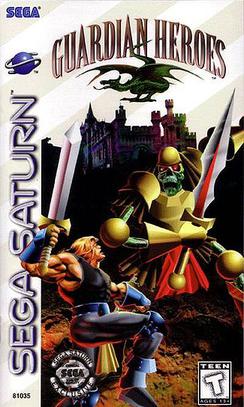
1996 — Saturn — Sega
A branching beat-'em-up with RPG stat growth, dozens of playable characters, and a versus mode for up to six players. Story branches across multiple paths. Music by Hideki Hashimoto.
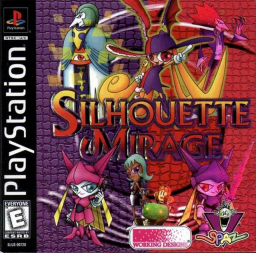
1997 — Saturn — ESP / Working Designs
An action platformer with a polarity-based combat system that prefigures Ikaruga: enemies have Silhouette or Mirage attributes, and only the matching weapon deals full damage. Japan Saturn / North America PlayStation (Working Designs localisation).
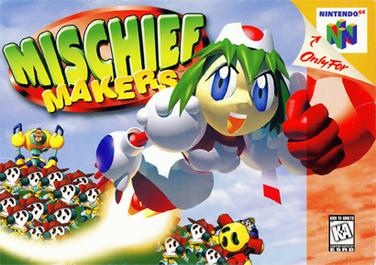
1997 — Nintendo 64 — Nintendo
A 2D platformer for the N64 built around a single interaction: grabbing and shaking. Marina can grab enemies, objects, and projectiles - shaking them produces different effects. Treasure's first N64 title and their first Nintendo publishing deal.
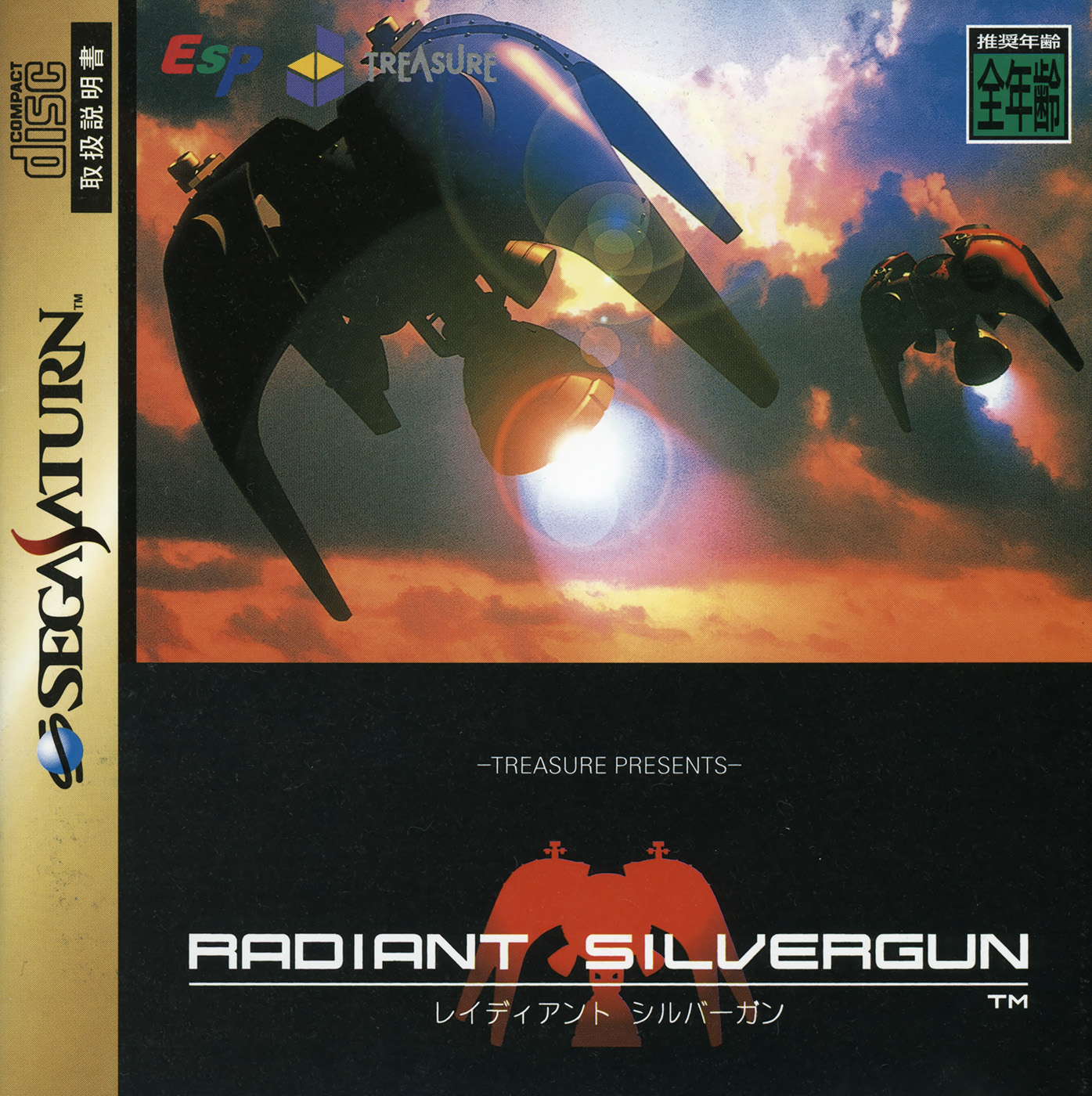
1998 — Saturn — Treasure / ESP
Japan-only Saturn vertical shooter. Seven permanent weapon types selected via button combinations - no power-ups, only accumulated skill. Experience carries between runs. One of the most sought-after import titles of the 32-bit era. Music by Hitoshi Sakimoto.
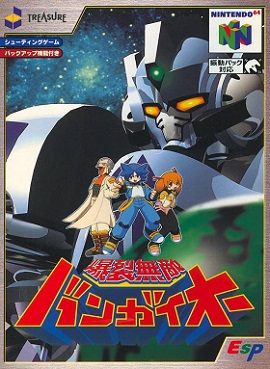
1999/2000 — N64 / Dreamcast — ESP / Infogrames
A mech shooter with a bullet reflection system - fire a burst of missiles just as you're hit by a bullet wall to reflect them back. Extremely high on-screen chaos at low frame rates. N64 Japan-only; Dreamcast received a Western release via Infogrames.
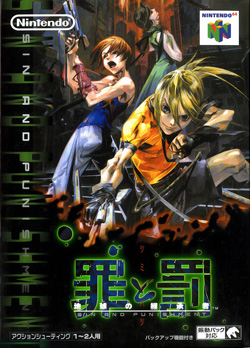
2000 — Nintendo 64 — Nintendo
Japan-only N64 on-rails shooter set in a science-fiction Tokyo. An English fan translation brought it to Western players before the Virtual Console release. Published by Nintendo; regarded as one of the finest N64 titles never released in the West at retail.
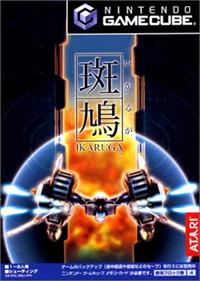
2001 arcade / 2003 GCN — Treasure / Atari
The polarity game. Black ship absorbs black bullets, white ship absorbs white bullets. Each ship deals double damage to the opposite colour. Chain kills in groups of three for score multipliers. Designed and programmed by Hiroshi Iuchi. Available on Steam (2014) and Nintendo Switch (2018).
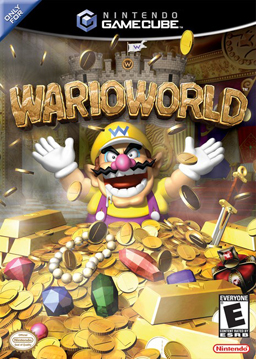
2003 — GameCube — Nintendo
A 3D platformer featuring Wario, published by Nintendo. A significant departure from Treasure's signature shooter and action genres - demonstrating range at the cost of critical recognition. Treasure's only full 3D platformer.
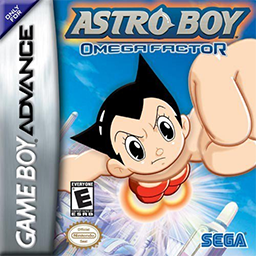
2003/2004 — PS2 / GCN — Sega
A beat-'em-up co-developed with Hitmaker, based on Osamu Tezuka's Astro Boy. The game's structure is non-linear: completing runs unlocks new story branches, accumulating toward a true ending. One of the most ambitious narrative structures in a Treasure game.
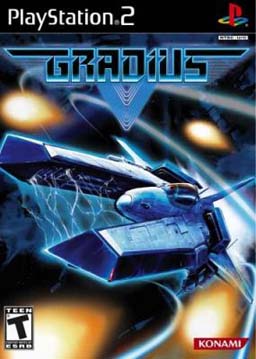
2004 — PlayStation 2 — Konami
Treasure developed the fifth entry in Konami's Gradius series - a return to the studio that the founders had left in 1992. Technically the most accomplished Gradius game: four Options (power-up satellites) with full player control over positioning. Music by Hitoshi Sakimoto.
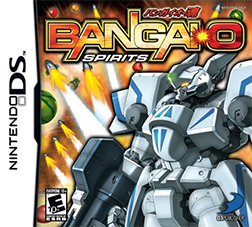
2008 — Nintendo DS — D3 Publisher / 505 Games
A sequel to Bangai-O for DS, expanding the bullet reflection mechanic and adding a puzzle mode and level editor. Published by D3 Publisher in Japan and 505 Games in the West. Treasure's first DS title.
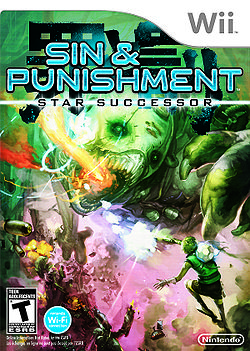
2009/2010 — Wii — Nintendo
The sequel to Sin & Punishment, published by Nintendo for Wii. Released in Japan in October 2009 and internationally in 2010. An on-rails shooter with two playable characters and a critical reception that matched the original's reputation. Treasure's final published title.