The People Behind the Blue Blur
Three people from different disciplines - programming, art, design - who came together at Sega's AM8 department and built a franchise that defined a decade of platform gaming.
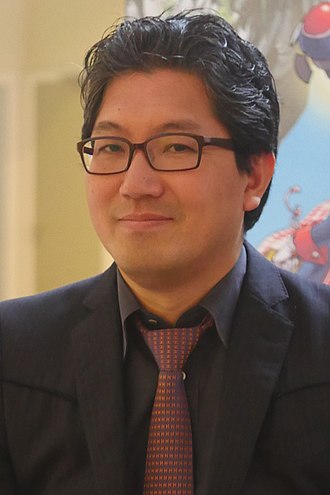
Yuji Naka
Lead Programmer & Co-Creator
Yuji Naka is the technical architect of Sonic the Hedgehog - the programmer whose physics engine made the character possible. Joining Sega in 1984, Naka spent his early career on Phantasy Star before an internal mascot competition gave him the opportunity to solve an engineering problem: how do you make a game that genuinely rewards speed?
His solution was a momentum-based physics system where Sonic accumulated and retained velocity across slopes, curves, and loops. A ball rolling through a loop was his original prototype - the hedgehog character came from Naoto Ohshima, but the feel of movement was entirely Naka's work. The result was a game where mastery expressed itself through flow states of blur and velocity that no platform game had previously achieved.
After Sonic 1 shipped, Naka negotiated to establish Sonic Team as a formal division rather than a project group, and moved to the Sega Technical Institute in San Mateo, California, for Sonic 2. He left Sega in 2006 to found Prope.
I wanted to make a game where speed was the mechanic, not just the theme. The physics of Sonic is not about going fast - it is about feeling the difference between going slow and going fast.
When you play Sonic and run through a loop without thinking, that is the moment the game has worked. You became Sonic.
Notable Works
- Sonic the Hedgehog (1991) - Lead Programmer
- Sonic the Hedgehog 2 (1992) - Lead Programmer / Director
- Sonic CD (1993) - Producer
- Sonic 3 & Knuckles (1994) - Director
- Nights into Dreams (1996) - Producer
- Sonic Adventure (1998) - Lead Programmer / Director
- Phantasy Star Online (2000) - Producer
Talk & Interview


Naoto Ohshima
Character Designer & Art Director & Co-Creator
Naoto Ohshima is the designer who gave Sonic his face. Responding to Sega's internal competition, he submitted three candidates - including a round blue hedgehog with attitude that won the internal vote. He spent the following months refining the character: sharpening the spines, settling on the shade of blue that matched Sega's corporate colour, and developing the expressive, impatient animations that defined Sonic's personality.
The character's idle animation - where Sonic taps his foot and looks at the player with contempt - was entirely Ohshima's invention. He also designed Dr. Robotnik (Eggman), conceived as a deliberate visual contrast: where Sonic was sleek and aerodynamic, Robotnik was round, red, and bristling with mechanical excess.
Beyond character design, Ohshima directed Sonic CD (1993), the most visually distinctive entry of the classic era. He left Sega in 1999 to co-found Artoon.
Sonic was designed so that even when standing still, he looked like he was about to move. That attitude was everything.
The tapping foot during idle - I put that in because I thought, what would Sonic do if he was bored? He would tap his foot. He would look at you like you were taking too long.
Notable Works
- Sonic the Hedgehog (1991) - Character Design (Sonic, Robotnik, all original Badniks)
- Sonic CD (1993) - Director
- Nights into Dreams (1996) - Character Design (Nights, Elliot, Claris)
- Burning Rangers (1998) - Art Director
Interview

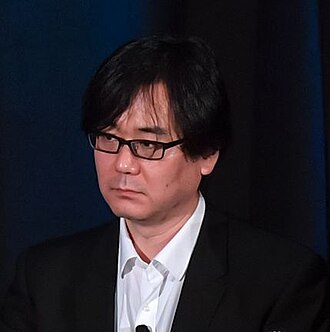
Hirokazu Yasuhara
Game Designer & Level Designer & Co-Creator
Hirokazu Yasuhara is the level designer who translated Naka's physics engine into the zones that made Sonic famous. Joining the project from another Sega division, Yasuhara had to develop a design language from scratch - a set of principles for building stages around a character whose defining trait was speed. The answer was flow: levels should reward players who learned to read terrain and use momentum, while still being completable by players who moved cautiously.
Yasuhara designed every zone in Sonic 1 and co-designed Sonic 2 from the Sega Technical Institute in California. His design documents for Sonic 2 included twelve zones - six were cut before release, including the now-famous Hidden Palace Zone. His Chemical Plant, Casino Night, and Metropolis zones set the template for what Sonic level design would look like for the rest of the classic era.
After leaving Sega, Yasuhara moved to Naughty Dog in California, where he worked on the Jak and Daxter and Uncharted series for 24 years before departing in 2023.
Speed is a reward, not a right. In Sonic, you earn speed by learning the level. That was the whole design.
I always put something in the corner of a level - a ring cluster, a hidden spring. Players who look will find it. That small discovery is what makes a player love a game.
Notable Works
- Sonic the Hedgehog (1991) - Game Designer / Level Designer
- Sonic the Hedgehog 2 (1992) - Game Designer
- Sonic 3 & Knuckles (1994) - Game Designer
- Jak and Daxter: The Precursor Legacy (2001) - Level Designer
- Jak II (2003) - Lead Designer
- Uncharted 2: Among Thieves (2009) - Lead Designer
- Uncharted 4: A Thief's End (2016) - Lead Designer
GDC Talk
