London · 1983 – 1991 · 11 Titles

Palace Software

Swords. Controversy. Arena sand. The most audacious British studio of the 8-bit era.

11 Titles
1987 Barbarian
8 Years Active
1991 Titus Sale

The Studio

London, 1983. A music and entertainment business dares to make games.

Palace Software was founded in 1983 by Pete Stone and Richard Leinfellner as part of the Palace Group - an entertainment company with roots in music and film. Operating out of London, Palace produced some of the most visually striking and commercially provocative games of the 8-bit and 16-bit era.

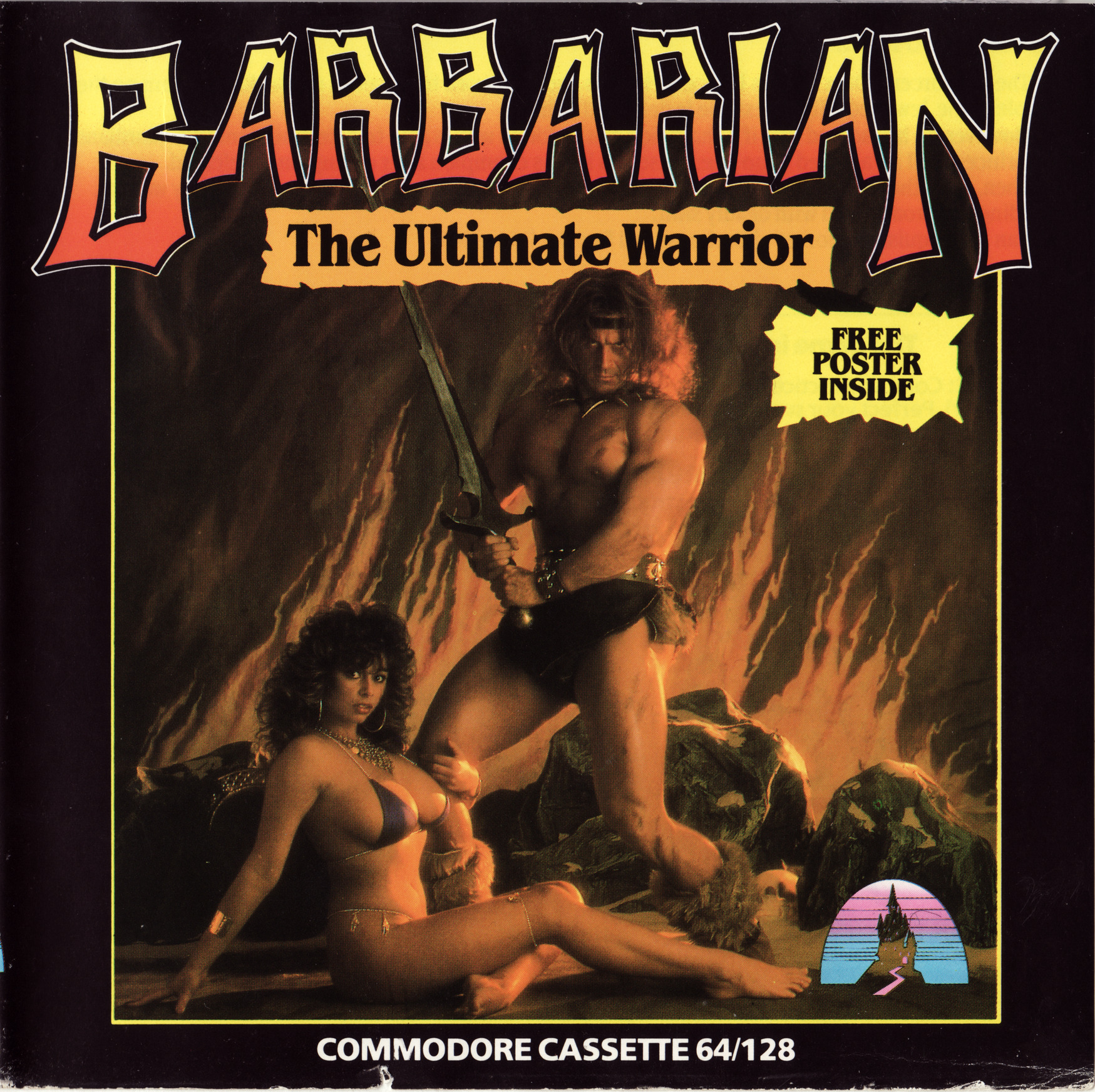
Their debut, The Evil Dead (1984), was a licensed tie-in with Sam Raimi's cult horror film. But it was Barbarian: The Ultimate Warrior (1987) that put Palace on the map - and in the headlines. The game's cover art, featuring Maria Whittaker and Michael Van Wijk in warrior attire, attracted the ire of Mary Whitehouse's Clean Up TV campaign and became one of the most debated pieces of UK games marketing of the decade.

Palace was acquired by Titus Software in 1991. Their legacy - sharp code, Richard Joseph's unforgettable SID and Amiga compositions, and an uncompromising attitude to spectacle - defines British gaming's 8-bit golden age.
The Controversy

Barbarian, Mary Whitehouse, and the German Court Case

In 1987, Barbarian's box art provoked a campaign from Mary Whitehouse's National Viewers' and Listeners' Association. A German court later ruled on the game's violent content, resulting in the game's blood being changed from red to green for the German market. Neither decision dented sales. Read the full story →


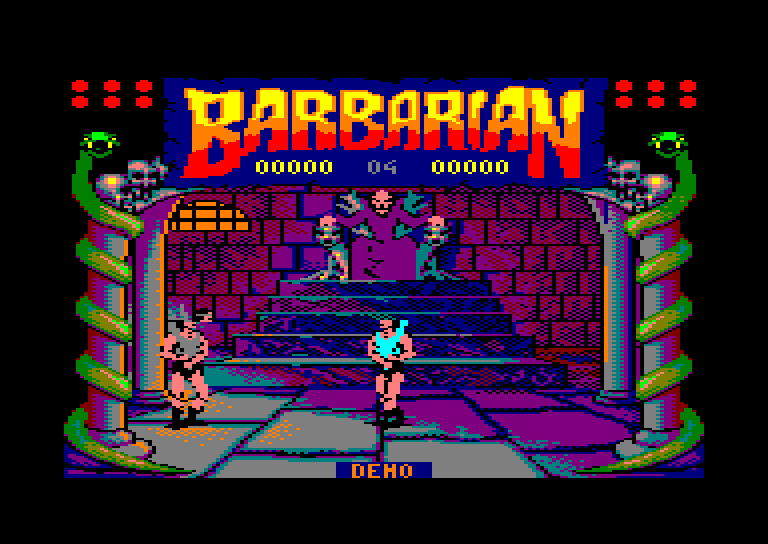
Barbarian: The Ultimate Warrior - Amiga Longplay

The flagship title in full, on the Amiga - showcasing Richard Joseph's score and the iconic goblin-kick finisher.


The Complete Catalogue

Palace's range extended well beyond its most notorious title.

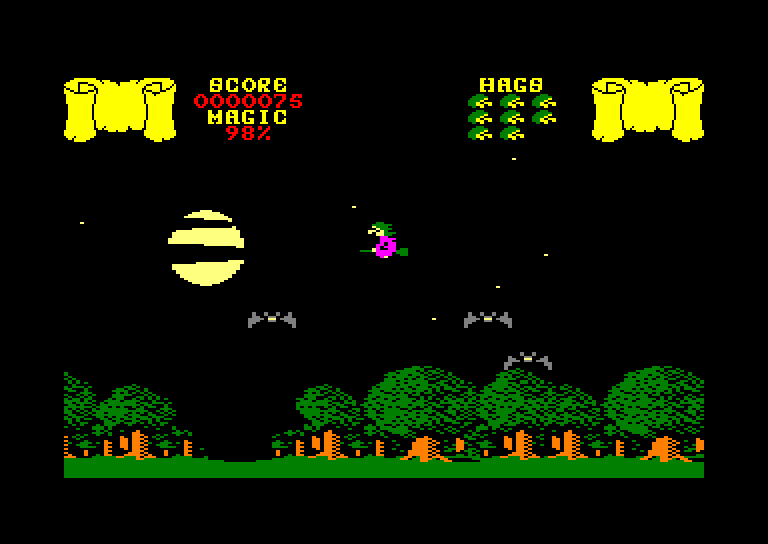
Barbarian defined Palace, but the studio's output across seven years covered more ground than its most famous controversy suggests. The Evil Dead (1984) arrived as Palace's debut - a text adventure built on a Sam Raimi license. Cauldron (1985) was the breakthrough: a witch on a broomstick in a platform-shoot-'em-up hybrid that showed what the C64 could do in the right hands. Its sequel, Cauldron II: The Pumpkin Strikes Back (1986), refined the formula.

Sacred Armour of Antiriad (1986) became a cult title - post-apocalyptic action-adventure with a strong Spectrum and C64 following and a Richard Joseph score that remains celebrated. Then came Barbarian (1987), Barbarian II (1988), and Advanced Pinball Simulator (1988) - the last earning a Zzap!64 Gold Medal for physics simulation. Palace closed its independent run with Torvak the Warrior (1990) on the Amiga, before Titus Software acquired the studio in 1991.

Browse all 11 titles →

Barbarian: The Ultimate Warrior - C64 gameplay Cauldron - CPC gameplay Sacred Armour of Antiriad - C64 gameplay Barbarian: The Ultimate Warrior - C64 arena combat