1983 – 1988

History

From a radical price point to a Virgin subsidiary — the full story of Britain's budget software revolution

The Mastertronic Story

1983

The £1.99 Revolution Begins

Mastertronic was founded in London in 1983 by four partners: Martin Alper, Frank Herman, Terry Medway, and Alan Sharam. Their founding insight was deceptively simple: the UK home computer market in 1983 had millions of machines but games that cost £5–£10 and were sold exclusively through specialist shops that most families barely visited.

The partners proposed selling cassette software at £1.99 — impulse-buy territory — through mass-market retail: Woolworths, W.H. Smith, newsagents, petrol stations, market stalls. The spinner rack was their weapon. The cassette was their ammunition.

Early titles targeted the ZX Spectrum and Commodore 64, the dominant home computer platforms. Quality was variable in those first months — the priority was volume, distribution, and establishing the brand at that magic price point.
1984

Building the Catalogue

Through 1984, Mastertronic expanded their platform coverage. The Amstrad CPC launched in June 1984 and Mastertronic were among the first budget publishers to support it. BBC Micro and Atari 8-bit versions followed. The catalogue grew rapidly — not just original titles, but licensed conversions and arcade-style games targeting every genre popular in arcades and on other platforms.

The company's approach to development was pragmatic: commission small development teams or individuals, keep budgets tight, and turn projects around quickly. Many Mastertronic programmers were bedroom coders who went on to significant careers — including the Darling brothers, David and Richard, who would found Codemasters after their early work here.

1985

The M.A.D. Label & Peak Budget Gaming

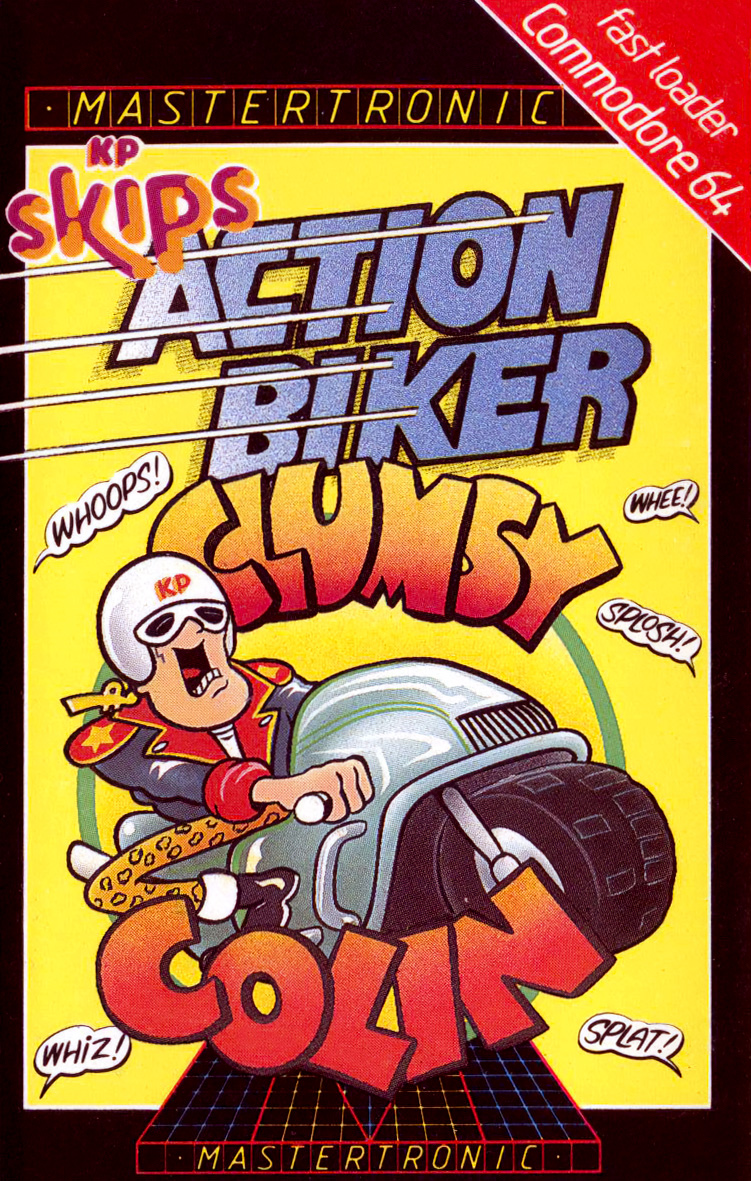
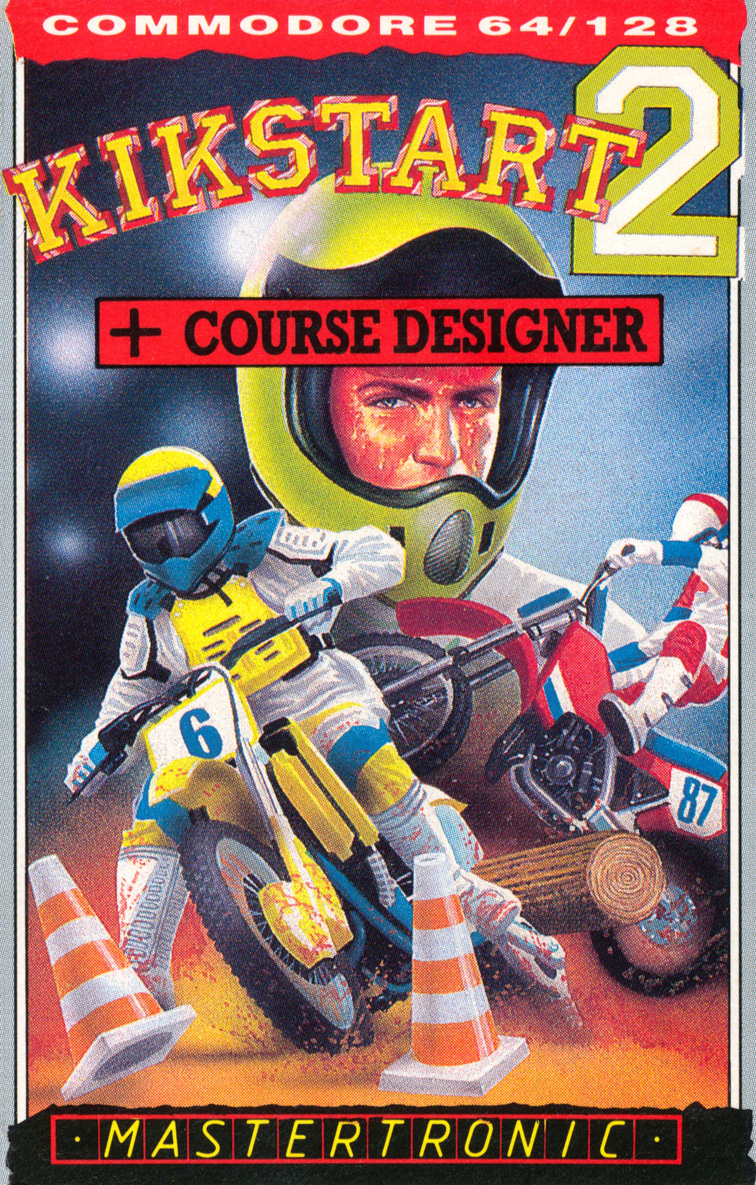
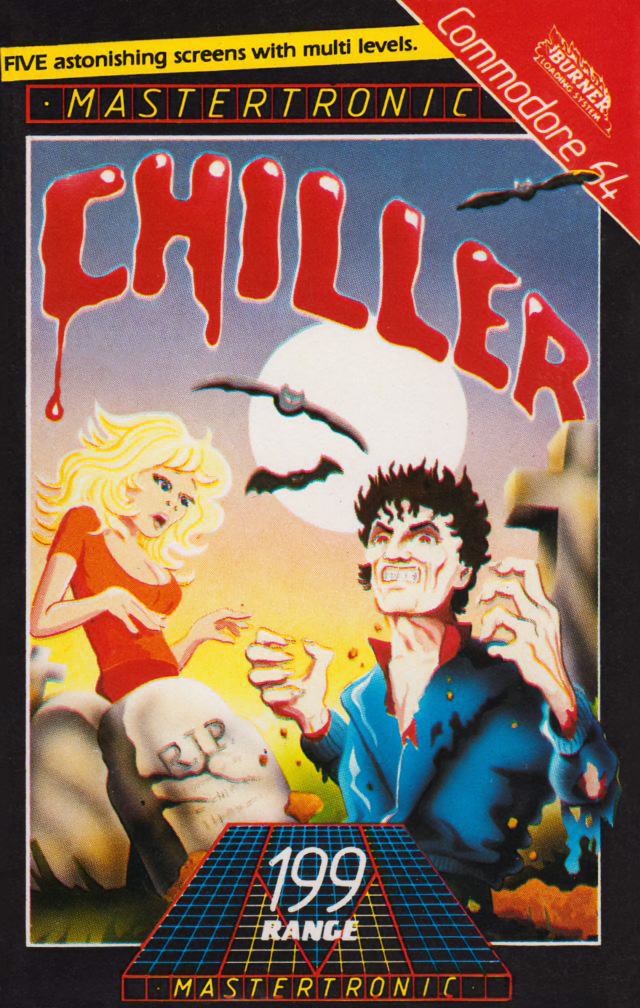
1985 was Mastertronic's most significant year. Their flagship titles arrived: Kikstart, the motorcycle trials game with a memorable Rob Hubbard SID soundtrack; Action Biker featuring Clumsy Colin; Finders Keepers, a multi-screen treasure hunt by David Jones; and Chiller, a surprisingly atmospheric horror platformer.

The M.A.D. (Mastertronic Added Dimension) sub-label also launched in 1985, with The Last V8 as its inaugural release at a premium £2.99 price point. M.A.D. titles would receive higher production budgets and larger physical packaging — a signal that even budget specialists had premium ambitions.

By the end of 1985, Mastertronic were shifting millions of cassettes. Their spinner racks were fixtures in retailers across Britain, introducing an entire generation to home computing who might otherwise never have bought a game.

1986

US Expansion & Arcadia

Martin Alper led the establishment of Mastertronic Inc. in the United States in 1986, attempting to replicate the budget software model in the North American market. The US operation focused initially on the Commodore 64 and the emerging IBM PC compatible market.

The Arcadia venture — an ambitious attempt to bring Amiga computer hardware into arcades — was also taking shape. Arcadia Systems produced a modular arcade cabinet based on Amiga technology, with Mastertronic among the key partners. Titles developed for Arcadia included an adaptation of Xenon and other Amiga-era software.

The mid-1980s computing landscape was also shifting. The Amiga and Atari ST were arriving as premium 16-bit platforms, and the market Mastertronic had pioneered was maturing.

1987

Tetris & the Sega Deal

1987 brought Mastertronic's most historically significant release: Tetris for the Commodore 64 and ZX Spectrum. Mastertronic secured the first UK licence for Alexey Pajitnov's Soviet puzzle phenomenon, publishing it under the M.A.D. label. It was the first legally licensed Tetris in the United Kingdom — a remarkable achievement for a company built on budget cassettes.

The same year brought the Sega Master System distribution deal. Mastertronic became the European distributor for Sega's console hardware and software, a lucrative partnership that transformed the company's scale and profile. The console market was booming — particularly in the UK, where the Sega Master System competed fiercely with the NES.

This distribution deal attracted the attention of Virgin Communications, who saw an opportunity to enter the games market through an established distribution infrastructure.

1988

Acquisition by Virgin

Virgin Communications acquired a controlling stake in Mastertronic in 1988, and the company was absorbed into what would become Virgin Interactive Entertainment. The brand name persisted on some releases for a period, but the era of Mastertronic as an independent budget publisher effectively ended.

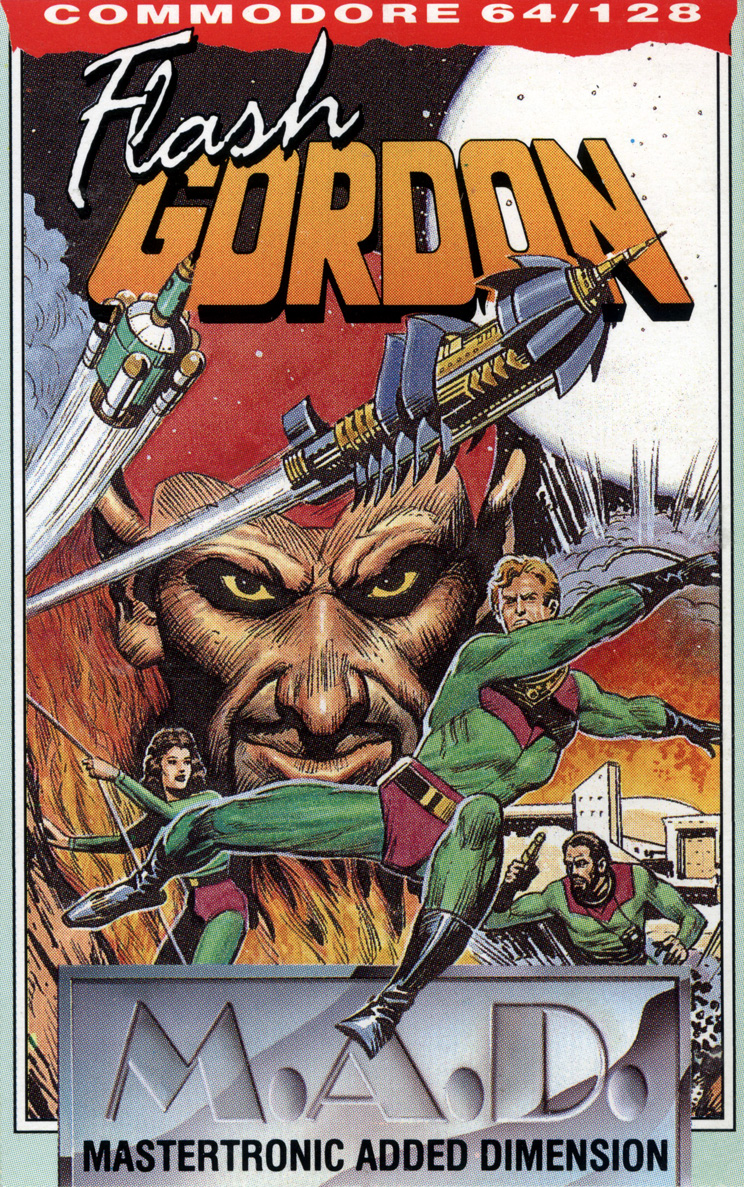
The M.A.D. label's final releases included Flash Gordon for C64 and Spectrum, a big-budget (by Mastertronic standards) licensed title that exemplified where the company had journeyed from its £1.99 origins.

The Virgin distribution relationship remained valuable: the Sega Master System deal continued, and what had been Mastertronic's infrastructure became the foundation of Virgin Games in the UK. The individuals who had built Mastertronic dispersed into various parts of the industry, carrying the budget software philosophy with them.

Legacy

What Mastertronic Left Behind

Mastertronic's legacy is threefold. First, they democratised gaming: by taking software into mass-market retail at impulse-buy prices, they introduced home computing to families who would never have visited a specialist shop. Millions of British children played their first computer game because it cost less than a comic and was available at the corner shop.

Second, they incubated talent. The Darling brothers — David and Richard — honed their skills through early Mastertronic work before founding Codemasters in 1986. Codemasters would go on to become one of the most successful British game studios of all time.

Third, Mastertronic proved that budget publishing was a legitimate business model. The companies that followed — Codemasters with their £1.99 label, Hi-Tec Software, Zeppelin Games — all owed a debt to Mastertronic's proof of concept.

The games themselves persist too, lovingly preserved in emulation communities, discussed in retro gaming magazines and podcasts, and still played by those who remember racing home from Woolworths with a cassette in a paper bag, wondering what was inside.

Era Footage

A retrospective look at British budget software and the Mastertronic era

A look back at the British budget software era and the companies that made gaming accessible to a generation.