NES Chip Music & Analysis

Music

Embedded NES chip music, the Ricoh 2A03 hardware that defined the sound, and analysis of Kageyama’s confirmed soundtracks.

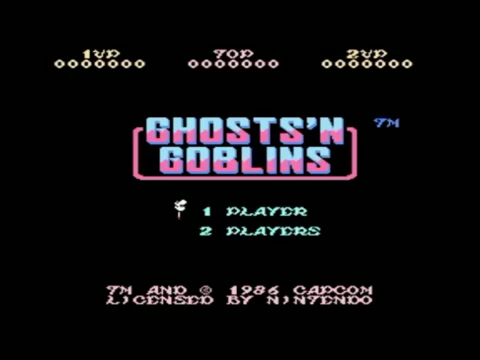
Ghosts ‘n Goblins NES Soundtrack

The complete Kageyama-composed soundtrack for Ghosts ‘n Goblins NES (1986). Five channels. One graveyard. Total dread.

Ghosts 'n Goblins NES Stage 1 - the graveyard where the iconic theme plays
The Stage 1 graveyard - where the iconic GnG NES main theme plays. Kageyama’s borrowed-chord progression is introduced here, establishing the soundtrack’s harmonic character in the first moments of play.

Ghosts ‘n Goblins (NES, 1986) — Complete Original Soundtrack. Composed by Masashi Kageyama.

The Stage 1 Main Theme

The Stage 1 main theme is the defining track of the GnG NES soundtrack and one of the most recognisable pieces of NES music ever composed. Its opening bars establish the game’s atmosphere immediately: a driving, minor-key melody on Pulse 1, a countermelody on Pulse 2, bass on the triangle channel, rhythmic noise percussion.

The harmonic language of the theme includes borrowed chords - chords drawn from parallel modes (modal mixture). This technique gives the piece a sense of minor-key epic drama unusual for NES-era game music, which predominantly used straightforward diatonic harmony in 1985–1986.

Graveyard Theme (Stage 2)

The Graveyard BGM establishes a different harmonic register: slower, more oppressive, with the noise channel providing rhythmic texture under the melodic line. The minor-key harmonic pace creates a sense of weight and inevitability - appropriate for a stage set in a literal graveyard, populated by zombies and Red Arremers.

Village Theme (Stage 3)

The Village BGM provides tonal contrast within the soundtrack - brighter, more major-key, offering momentary relief from the minor-key dread of the first two stages. Its presence demonstrates Kageyama’s deliberate tonal architecture across the soundtrack: the game builds and releases tension partly through harmonic register shifts.
Ricoh 2A03 - The NES Sound Chip

Every NES composition by Kageyama was constrained and defined by the Ricoh 2A03 APU. Five channels. No reverb. No polyphony beyond simple harmony.

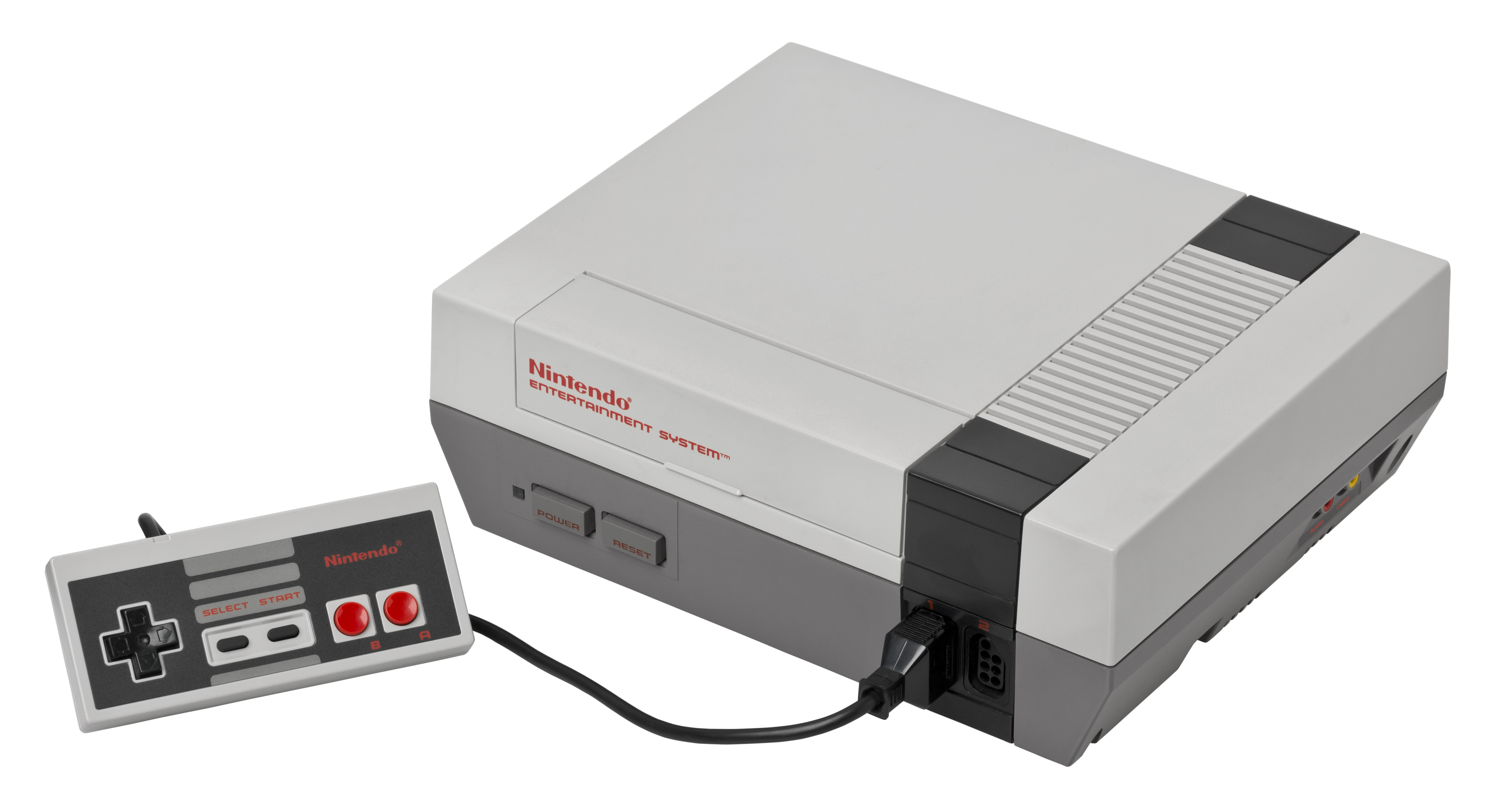
Nintendo Entertainment System hardware - home to the Ricoh 2A03 sound chip used for Kageyama's NES compositions
The Nintendo Entertainment System. Inside: the Ricoh 2A03 CPU integrating a five-channel Audio Processing Unit. No reverb, no polyphony, no hardware mixing beyond simple amplitude - Kageyama’s entire compositional palette.
Pulse Channel 1 (Square 1)
TypeSquare/Pulse wave
Duty cycles12.5%, 25%, 50%, 75%
Volume4-bit envelope
SweepHardware pitch sweep unit
Kageyama usePrimary melody voice
Pulse Channel 2 (Square 2)
TypeSquare/Pulse wave
Duty cycles12.5%, 25%, 50%, 75%
Volume4-bit envelope
SweepHardware pitch sweep unit
Kageyama useCountermelody/harmony
Triangle Channel
TypeTriangle wave
VolumeFixed amplitude (no envelope)
TimbreStepped waveform; aliasing at low pitch
Kageyama useBass lines
Noise Channel
TypeLFSR noise generator
ModesNormal & short loop (metallic)
Volume4-bit envelope
Kageyama usePercussion / rhythm texture
DPCM Channel
TypeDelta-encoded PCM sample
Rate range~4.2 kHz to ~33.5 kHz
Bit depth1-bit delta encoding
Kageyama useDrum hits / short samples

NES chip music harmony and borrowed chords analysis — how Famicom composers used modal mixture within the 2A03’s constraints.

Additional Soundtracks

OST content for probable and researched Kageyama credits. Note credit confidence status per title.

Black Tiger / Black Dragon - Famicom (1990) Probable

The Famicom port of Black Tiger (known as Black Dragon in Japan) is attributed to Kageyama with Probable confidence - community sources and VGMPF cite a Kageyama credit, but final per-title VGMPF documentation verification is required. The Famicom OST uses the same 2A03 five-channel architecture.

Black Tiger / Black Dragon (Famicom, 1990) — Full Soundtrack. Credit: Probable Masashi Kageyama.