What is iMUSE?
iMUSE -- the Interactive Music Streaming Engine -- was developed by Michael Land and Peter McConnell for Monkey Island 2: LeChuck's Revenge (1991). Its purpose was deceptively simple: make the music respond to what was happening in the game in real time, without jarring cuts or restarts.
Before iMUSE, game music either looped continuously regardless of game state, or cut abruptly when the player moved between areas. iMUSE allowed the audio engine to queue transitions, segment tracks into interlocking musical phrases, and crossfade between states -- so that walking into a tavern would subtly shift the music rather than interrupt it.
The system shipped in nearly every LucasArts adventure game from 1991 to 1998, culminating in Grim Fandango, where Michael Land's Cuban jazz score demonstrated the full potential of what iMUSE could achieve.
Composers
Michael Land
Composer and iMUSE Co-Creator
Michael Land co-developed iMUSE with Peter McConnell and composed some of the most celebrated scores in adventure game history. His Caribbean jazz arrangements for Monkey Island 2 defined the series' sonic identity. For Grim Fandango (1998), he composed a sweeping score drawing on Cuban jazz, bossa nova, big band, and Mariachi -- an achievement described by many as the finest game soundtrack ever written.
Notable works: Monkey Island 2, Indiana Jones: Fate of Atlantis, Grim Fandango.
Peter McConnell
Composer and iMUSE Co-Creator
Peter McConnell co-created iMUSE and contributed music to Monkey Island 2 and several other major LucasArts titles. His most notable solo contribution was Full Throttle (1995), where he composed the game's original score around licensed tracks from The Gone Jackals -- a seamless integration of original and licensed music that set a new standard for game audio production.
Notable works: Full Throttle, Sam and Max Hit the Road, Grim Fandango (contributing composer).
Clint Bajakian
Composer
Clint Bajakian worked alongside Land and McConnell as part of the core LucasArts audio team. He composed the music for Sam and Max Hit the Road and The Dig, both of which required distinctly different tonal approaches -- irreverent jazz for Sam and Max, atmospheric orchestral for the alien world of The Dig. His work demonstrated the range of what iMUSE could support tonally.
Notable works: Sam and Max Hit the Road, The Dig, Star Wars: Dark Forces.
Notable Soundtracks
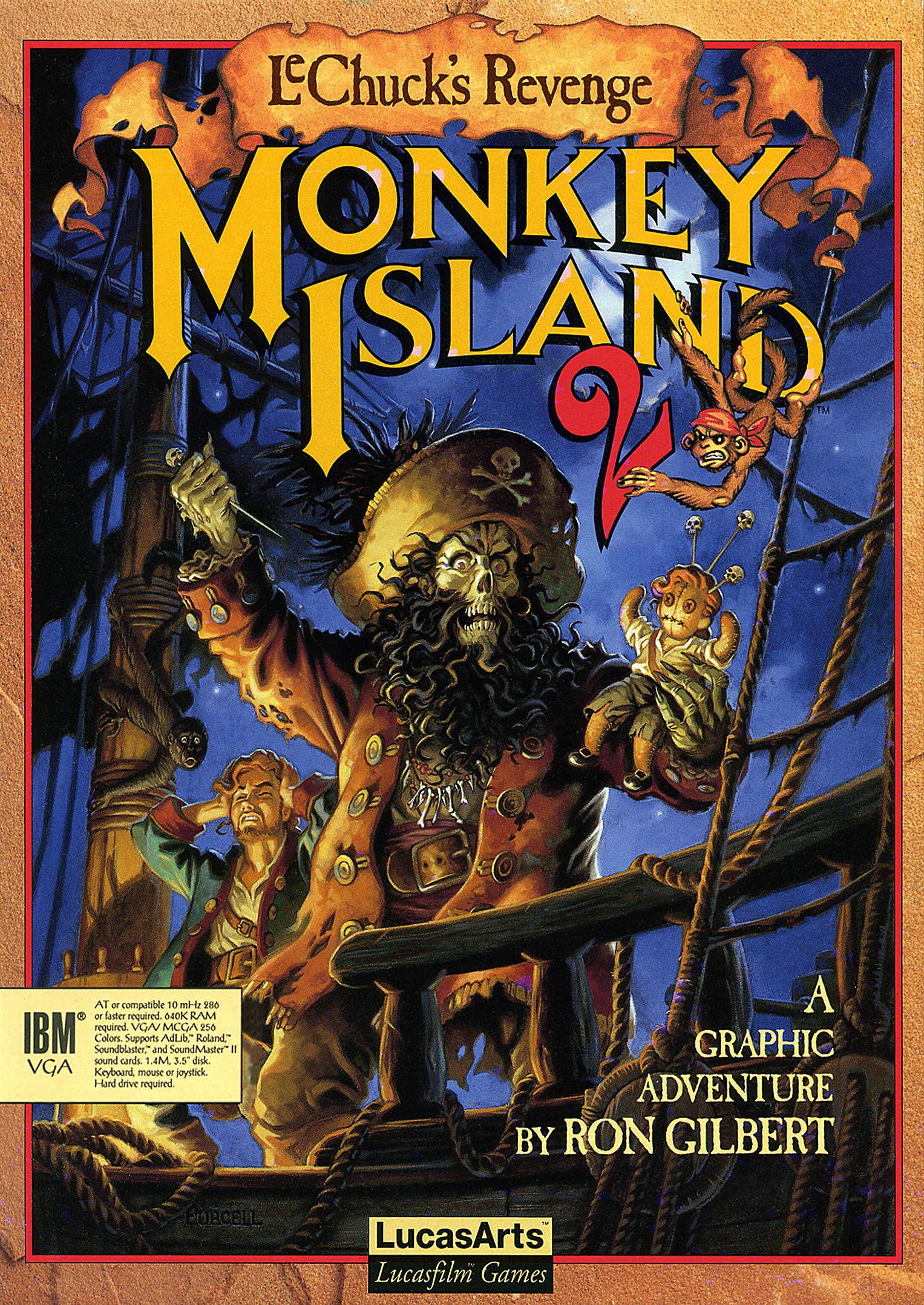
Monkey Island 2: LeChuck's Revenge
Monkey Island 2 was the first game to use iMUSE in its full form, and Michael Land and Peter McConnell used it to revolutionary effect. The LeChuck theme -- a low, menacing Caribbean rhythm that escalated with proximity to the villain -- became one of gaming's most recognisable musical motifs.
The Scabb Island theme, with its jazzy, tropical melancholy, perfectly captured the island's ambience. The score shifted between comedy, menace, and genuine pathos as the narrative demanded -- something no game music had managed before iMUSE.
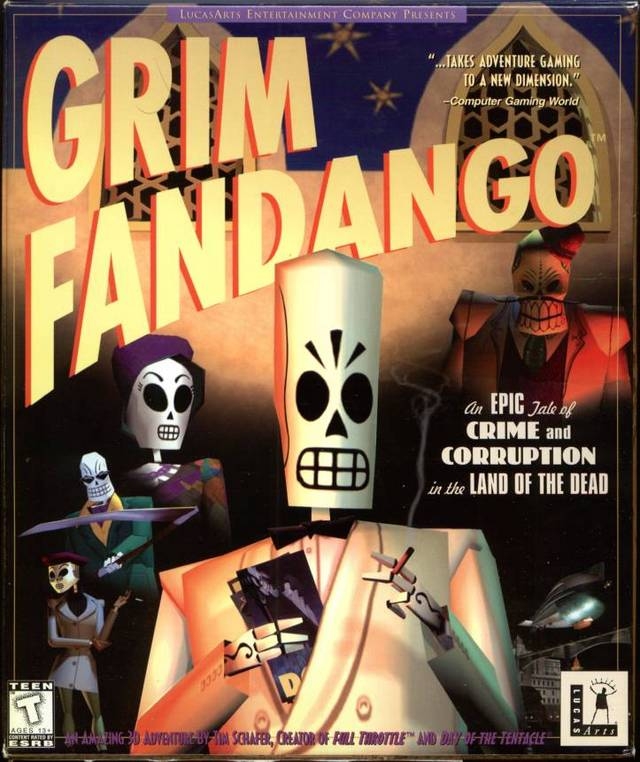
Grim Fandango
Grim Fandango's score is widely considered Michael Land's masterwork and one of the greatest game soundtracks ever composed. Drawing on Cuban jazz, Mariachi, big band, and bossa nova, the score matched the game's Mesoamerican noir aesthetic perfectly.
The Manny Calavera theme -- a melancholic, slightly off-kilter jazz melody -- evolves over the game's four-year narrative arc, its harmonic complexity deepening as the story's stakes increase. iMUSE ensured the music never broke the mood, seamlessly transitioning between environments and emotional registers.
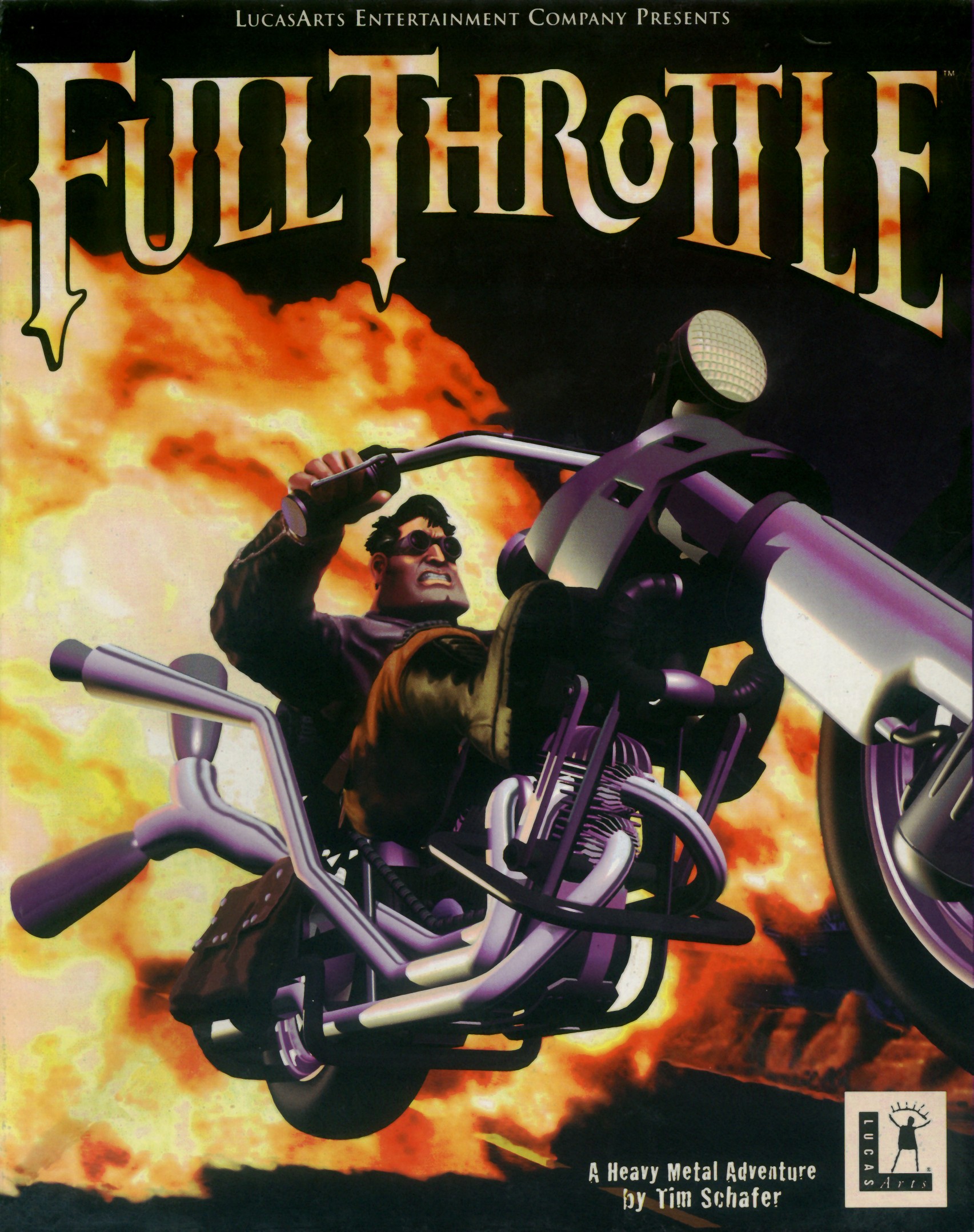
Full Throttle
Full Throttle's audio is remarkable for its seamless blend of original score and licensed rock music from The Gone Jackals, a San Francisco band. Peter McConnell composed original material that interlocked with the licensed tracks using iMUSE, creating a coherent sonic world rather than a patchwork.
"Legacy" by The Gone Jackals, which plays over the game's opening sequence, became one of the most iconic moments in adventure game history -- a rare case of rock music elevating rather than overwhelming a game's narrative.
Further Viewing
A deeper look at the design philosophy behind LucasArts point-and-click adventures, contextualising how music and puzzle design worked together.