Ron Gilbert
SCUMM Creator · Designer of Maniac Mansion and Monkey Island 1 and 2
I always felt that in adventure games, you were always one step behind the game designer. You had to think like them rather than being able to think for yourself. SCUMM was my attempt to solve that -- to make puzzles that were hard but fair, where the solution was always reachable by logic.
Ron Gilbert, Grumpy Gamer blog, on SCUMM design philosophy
Ron Gilbert's blog, Grumpy Gamer (grumpygamer.com), has been an invaluable primary source for the history of LucasArts adventure design. Gilbert has written extensively about the origins of SCUMM, his design philosophy, and his feelings about the Monkey Island ending.
Adventure games lost the plot when they started asking players to think like programmers rather than like people. The SCUMM verb system was about making the interface disappear so you could just think about the world.
Ron Gilbert, Grumpy Gamer blog
On the Monkey Island ending -- one of gaming's most discussed conclusions -- Gilbert has consistently maintained that he had a specific conclusion in mind that was never fully realised at LucasArts. His return to the series with Return to Monkey Island (2022) at Terrible Toybox was his opportunity to finally close the narrative on his own terms.
The ending of Monkey Island 2 means something. I know what it means. I've always known. I just wasn't sure I'd ever get to tell the story the way it needed to be told.
Ron Gilbert, interview with GamesIndustry.biz
Tim Schafer
Designer of Day of the Tentacle, Full Throttle, Grim Fandango · Founder, Double Fine Productions
Grim Fandango was our attempt to make something that was genuinely moving -- a game with the emotional weight of a novel. We had this incredible setting, this beautiful score, these characters I cared about deeply. And then it didn't sell. That was the hardest thing I'd experienced professionally at that point.
Tim Schafer, Wired interview, 2015
Tim Schafer joined LucasArts as a programmer on The Secret of Monkey Island and rose to become the studio's most distinctive creative voice. His three directorial adventures -- Day of the Tentacle, Full Throttle, and Grim Fandango -- form one of the most remarkable trilogies in gaming.
Full Throttle was short by design. We stripped everything that wasn't earning its place in the story. Every scene had to matter. I think it's the leanest thing I've ever made and I'm proud of that.
Tim Schafer, developer interview
After leaving LucasArts in 1999, Schafer founded Double Fine Productions, where he continued to make adventure games including Psychonauts, Brutal Legend, and the remastered editions of his LucasArts titles. The remasters of Grim Fandango (2015), Day of the Tentacle (2016), and Full Throttle (2017) were supervised by Schafer and included developer commentary tracks.
Doing the commentary for the remasters was like time travel. Some of those decisions -- you look back and you think, what were we thinking? But mostly I was just proud. Those games hold up.
Tim Schafer, developer commentary, Day of the Tentacle Remastered
GDC 2011: Classic Postmortem -- Maniac Mansion
Ron Gilbert · GDC San Francisco, 2011
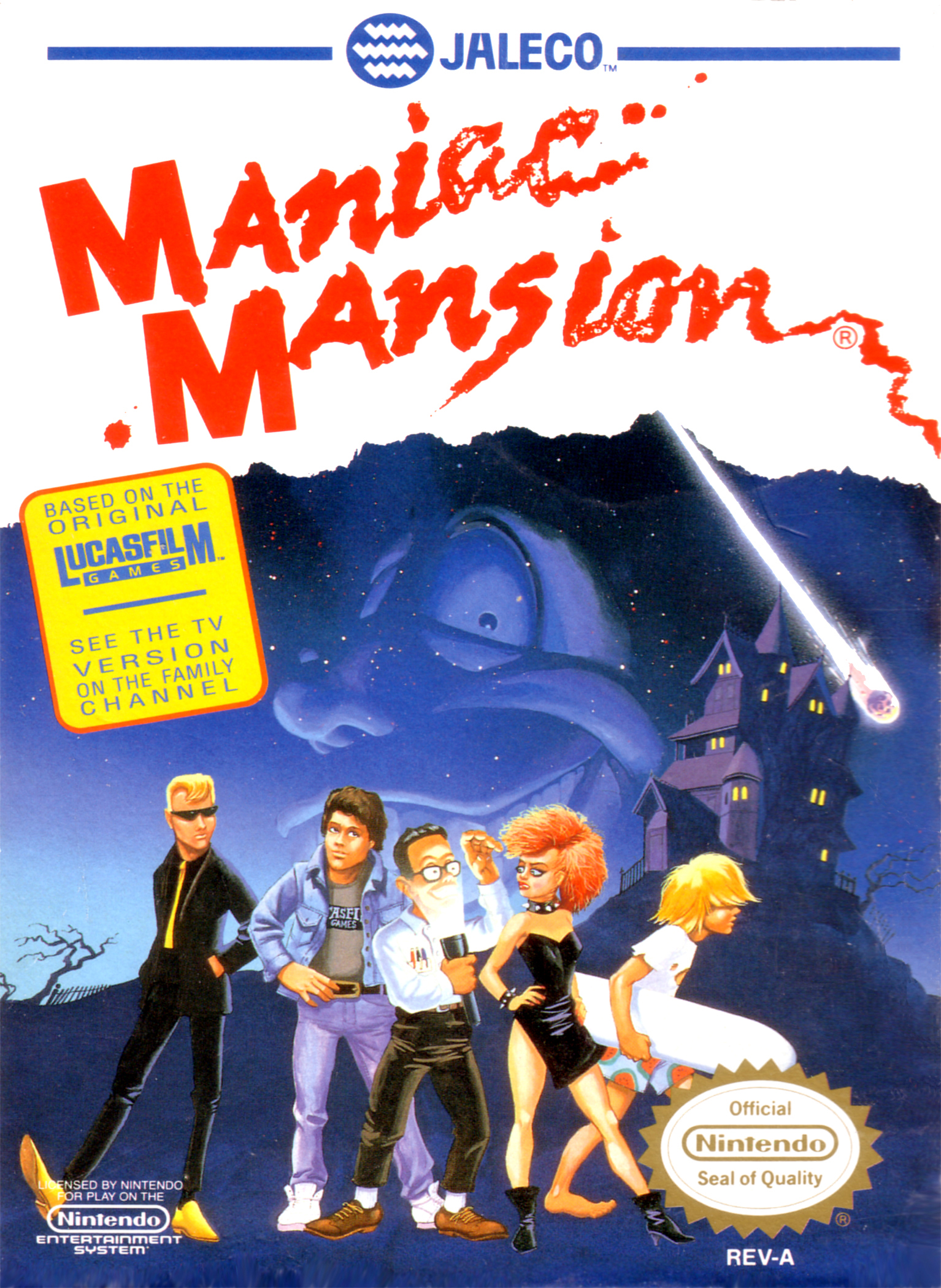
In 2011, Ron Gilbert delivered a GDC postmortem of Maniac Mansion -- the game that launched the SCUMM engine and the LucasArts adventure genre. The talk covered the origins of the game's design, the technical challenges of building SCUMM, and the commercial realities of selling adventure games in 1987.
Key points from the talk included Gilbert's explanation of why SCUMM had to be designed as a non-programmer tool, his discussion of the multi-character mechanic and how it was implemented, and his reflections on what he would change about Maniac Mansion if he made it today. The talk is essential viewing for anyone interested in adventure game design history.
Ron Gilbert: Talks at Google
Ron Gilbert · Google Talks series
In a Talks at Google session, Ron Gilbert discussed the history of adventure games, the SCUMM engine, the Monkey Island series, and what he had learned across decades of game design. The talk ranges from technical anecdotes about SCUMM implementation to philosophical reflections on what makes a good puzzle game.
The best adventure game puzzles are the ones where -- when you solve them -- you feel clever rather than lucky. If you feel like you guessed the solution, the designer failed. If you feel like you worked it out, the designer succeeded.
Ron Gilbert, Talks at Google