Founding (1982)
Lucasfilm Games was founded in May 1982 as the games division of Lucasfilm Ltd., established by George Lucas at the Kerner Compound in San Rafael, California. Peter Langston was hired as the first head of the division. The earliest releases were remarkable technical achievements -- Ballblazer and Rescue on Fractalus! (1984) pushed Atari 8-bit hardware with fast 3D rendering techniques years ahead of their time.
The division operated under a philosophy distinct from most game publishers of the era: creative autonomy for developers, no dead-ends, and no unfair deaths. These principles would later become encoded in Ron Gilbert's famous "Why Adventure Games Suck" manifesto.
Birth of SCUMM (1987)
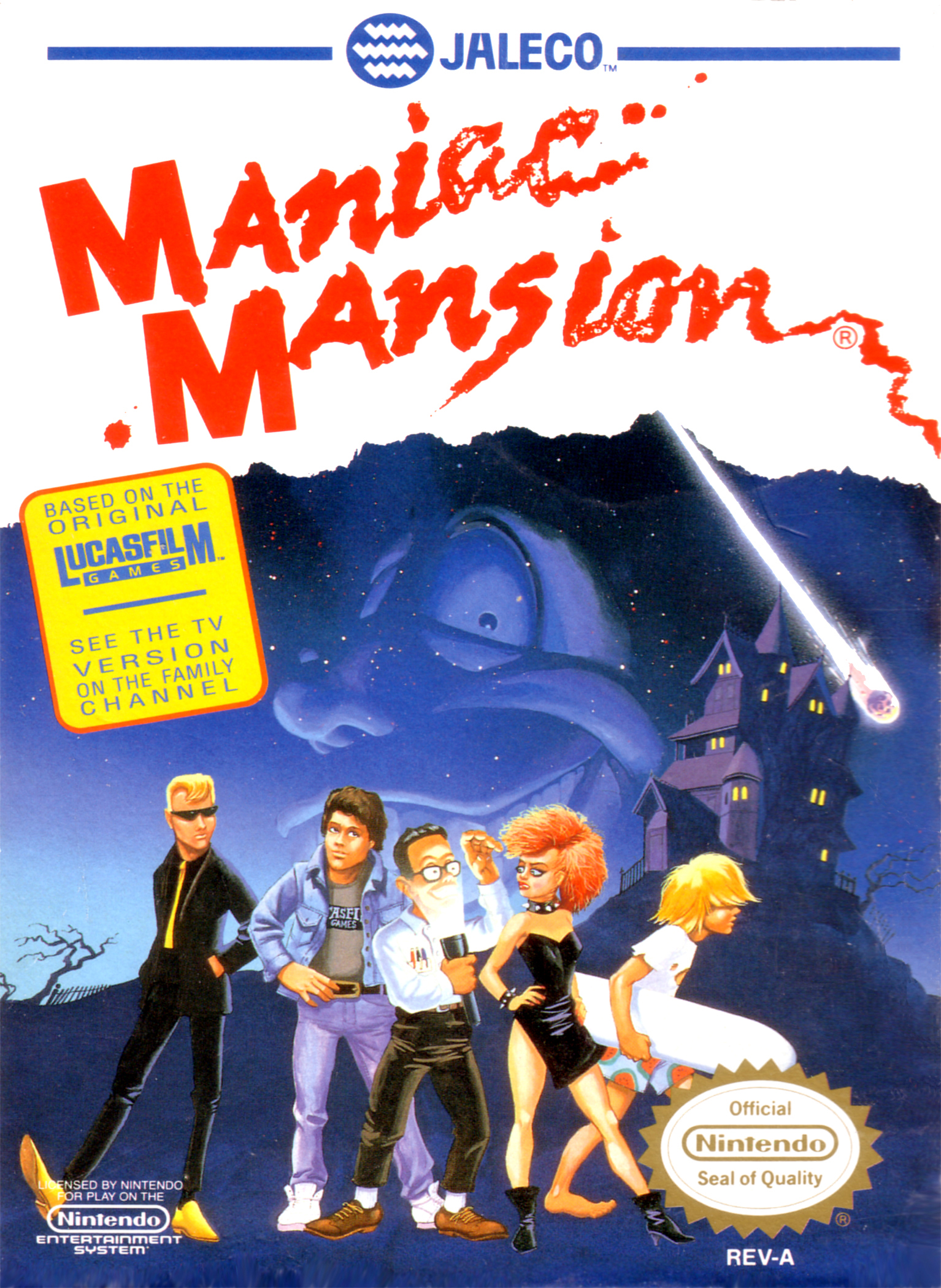
Ron Gilbert joined Lucasfilm Games in 1985 and began developing what would become the most influential adventure game engine ever created. SCUMM -- Script Creation Utility for Maniac Mansion -- was designed so that non-programmers could script the game world, dramatically reducing the dependency on C programmers for game logic.
Maniac Mansion (1987), the first SCUMM game, was designed by Ron Gilbert and Gary Winnick. The player chose three of seven possible characters to explore the Edison mansion, each with different skills -- an early example of branching character-driven design.
I always felt that in adventure games, you were always one step behind the game designer. You had to think like them rather than being able to think for yourself. That's the problem I was trying to solve with SCUMM.
Ron Gilbert, Grumpy Gamer blog
The Golden Age (1990-1998)
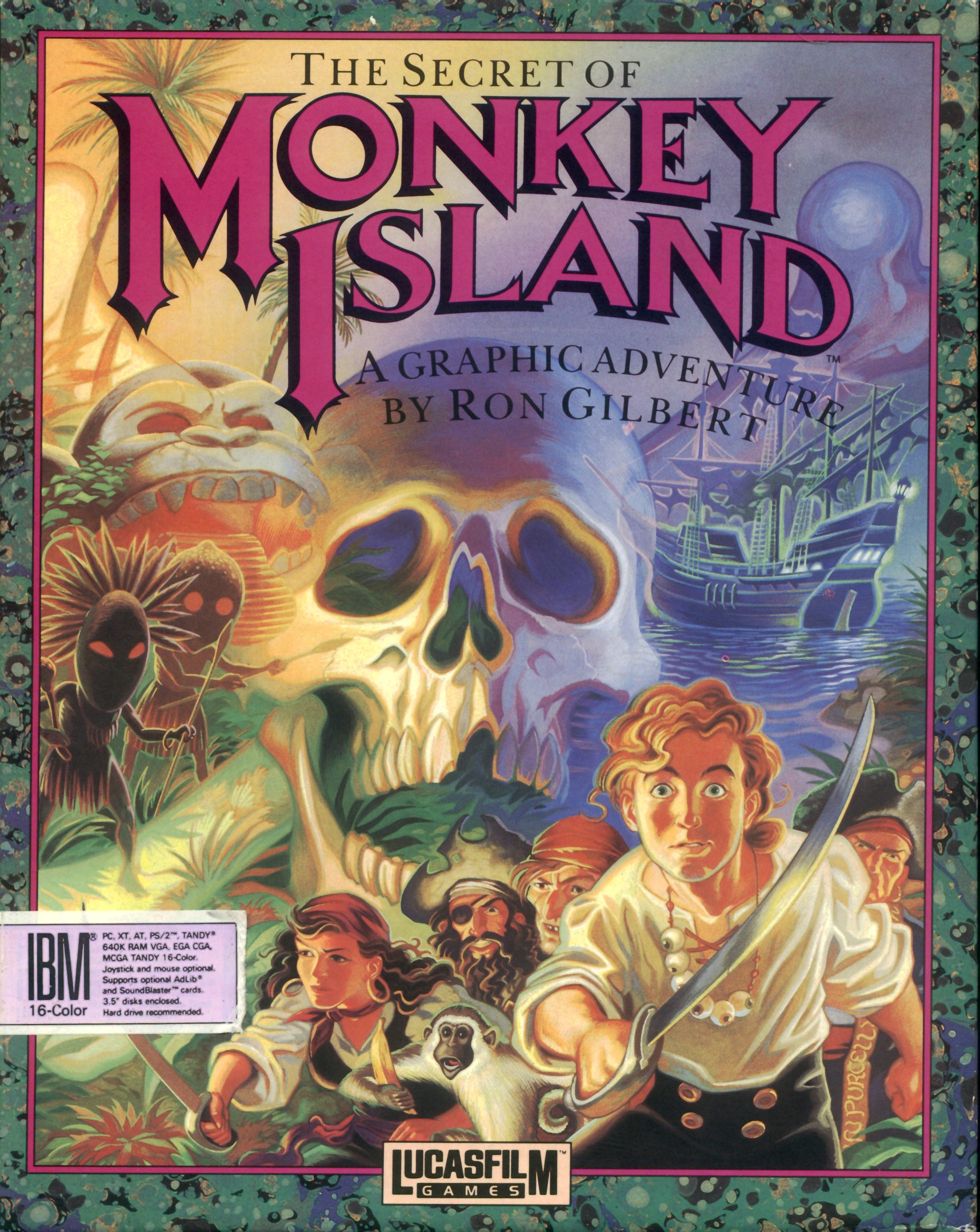
In 1990, Lucasfilm Games was renamed LucasArts Entertainment Company. The same year saw the release of The Secret of Monkey Island, designed by Ron Gilbert, Tim Schafer, and Dave Grossman. It established the studio's comedic tone, clever puzzle design, and the "no dead ends, no deaths" philosophy that would define the golden age.
The iMUSE system, developed by Michael Land and Peter McConnell for Monkey Island 2: LeChuck's Revenge (1991), enabled music to transition seamlessly in real time as game state changed. This was a technical and artistic leap that competitors would not match for years.
The golden age continued under new creative directors. Tim Schafer and Dave Grossman delivered Day of the Tentacle (1993), a time-travel comedy set across three eras of the Edison mansion from Maniac Mansion. Sean Clark's Sam and Max Hit the Road (1993) adapted the cult Steve Purcell comic strip with irreverent energy.
Day of the Tentacle was our attempt to say: adventure games can be hilarious. Like, actually fall-off-your-chair funny, not just clever.
Tim Schafer, GDC talk
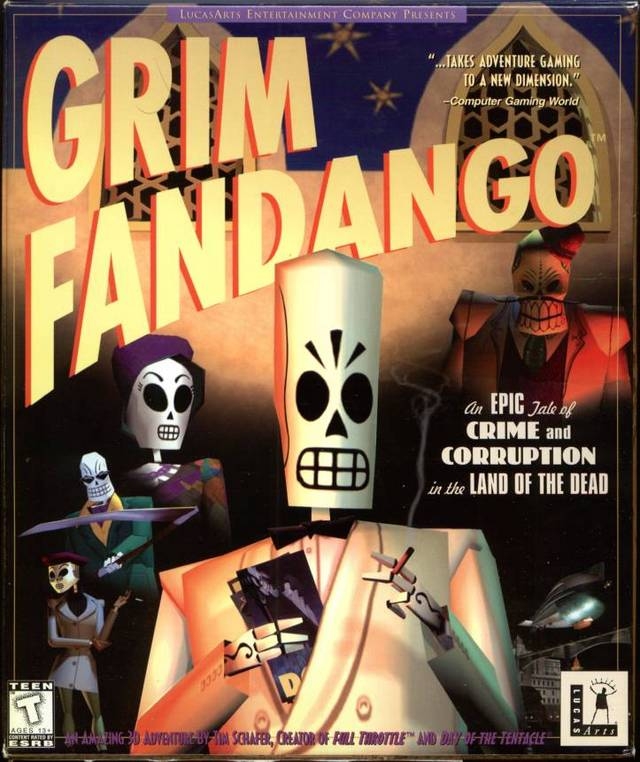
The mid-1990s brought a run of critically acclaimed titles: Full Throttle (1995), The Dig (1995, based on a Steven Spielberg story), and the closing masterwork of the SCUMM era -- Grim Fandango (1998), Tim Schafer's Mesoamerican noir epic built on the new GrimE engine.
Star Wars Expansion (1993-2002)
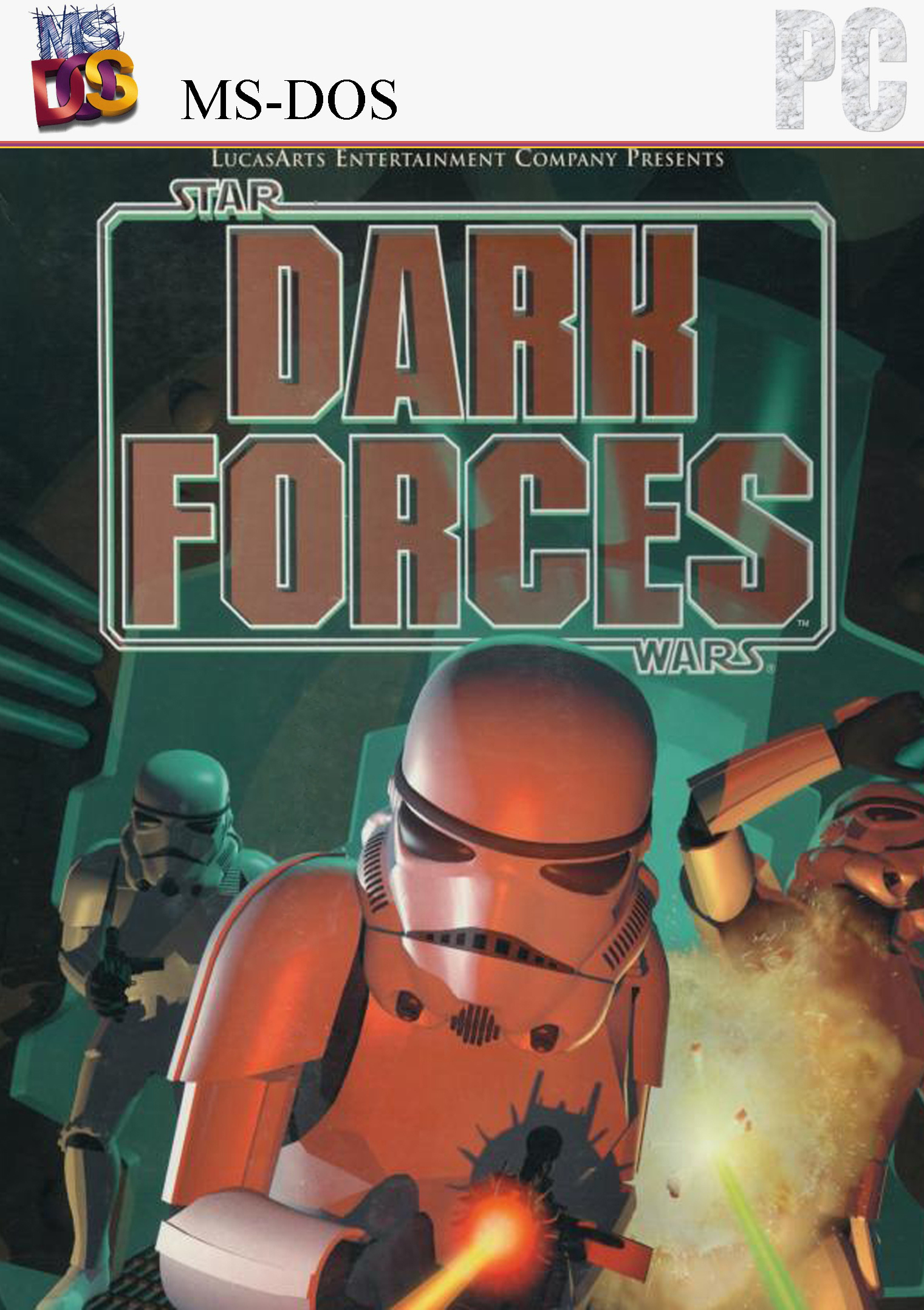
Alongside the adventure games, LucasArts built a parallel identity as the premier Star Wars game developer. Star Wars: X-Wing (1993) launched a series of acclaimed space combat simulators. Star Wars: Dark Forces (1994) introduced a first-person shooter set in the Star Wars universe, later evolving into the Jedi Knight series.
Post-Gilbert Era and Decline (1998-2012)
After Grim Fandango (1998) failed commercially despite critical acclaim, LucasArts shifted focus away from adventure games. The adventure team dispersed: Tim Schafer left to found Double Fine Productions, Dave Grossman went to Telltale Games. The genre that LucasArts had defined was essentially abandoned.
Grim Fandango was a critical success and a commercial failure. That was the end of LucasArts adventure games for a long time. The company decided the genre wasn't viable anymore.
Tim Schafer, interview with Wired
The Disney Acquisition (2012-2013)
In October 2012, The Walt Disney Company acquired Lucasfilm Ltd. for $4.05 billion USD. On April 3, 2013, Disney announced the closure of LucasArts as a game developer and publisher. Around 150 employees were laid off. Several in-development projects, including Star Wars 1313, were cancelled.
The LucasArts name was retained as a licensing entity. Disney announced that future Star Wars games would be licensed to external developers, with Electronic Arts signing an exclusive licence in 2013.
Legacy
The legacy of LucasArts adventure games is immense. The SCUMM engine influenced an entire generation of game designers. ScummVM, an open-source re-implementation, keeps every SCUMM game running on modern hardware. Official remasters of Grim Fandango (2015), Day of the Tentacle (2016), and Full Throttle (2017) introduced the classics to new audiences.
In 2022, Ron Gilbert returned to finish what he started: Return to Monkey Island, developed with Dave Grossman at Terrible Toybox, finally gave Guybrush Threepwood the ending Gilbert always intended.
Ron Gilbert at GDC 2011
In 2011, Ron Gilbert delivered a postmortem of Maniac Mansion at GDC, discussing the origins of the SCUMM engine, the design philosophies that drove the adventure genre, and what he would do differently.