Konami’s Credit Suppression Policy
The Composers
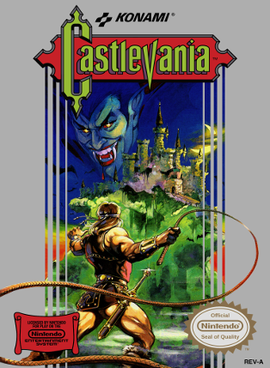
Kinuyo Yamashita
Composer - Castlevania (1986)
Kinuyo Yamashita composed the soundtrack for the original Castlevania (Famicom Disk System, 1986; NES cartridge, 1987), creating what many consider the finest soundtrack ever produced on NES hardware. Her tracks — “Vampire Killer”, “Wicked Child”, “Heart of Fire”, “Out of Time”, “Stalker” — combined rock guitar-influenced melodies with gothic atmosphere in a way the NES’s 2A03 chip had rarely achieved.
Yamashita was one of the earliest prominent female composers in the video game industry. She left Konami after Castlevania and later worked at Nichibutsu. The original Castlevania remains her defining work, and its influence on action-game music composition extends to the present day.
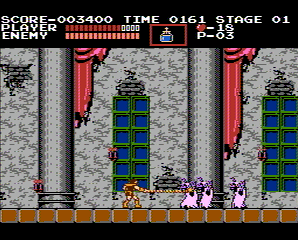
“The music of Castlevania is inseparable from the experience of playing it. ‘Vampire Killer’ plays and you are immediately somewhere cold and dangerous and alive.”
— VGM community retrospective on Kinuyo Yamashita’s Castlevania soundtrack
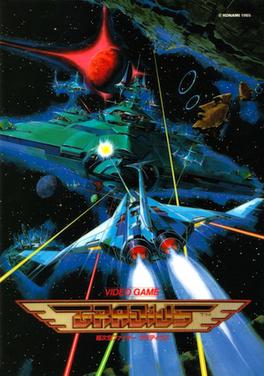
Miki Higashino
Composer - Gradius, TMNT (1985–1990)
Miki Higashino composed music for Gradius (1985), Gradius II: Gofer no Yabou (1988), and Teenage Mutant Ninja Turtles (1989), among other titles. Her Gradius score established the sonic template for the scrolling shooter genre: driving, electronic, urgent. “Challenger 1985” became one of the most recognisable arcade music themes of its decade.
Higashino also contributed music to Hideo Kojima’s Snatcher (1988) and Policenauts (1994). She gave interviews to Japanese game music publications in the early 1990s describing Konami’s internal composition process, making her one of the few Konami composers to speak publicly about their work during the credit-suppression era.
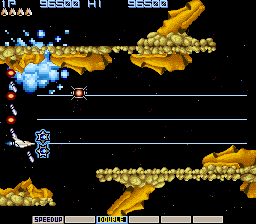
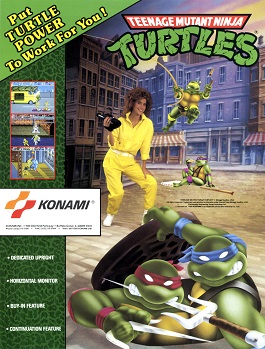
“The Gradius sound had to feel like space — cold, vast, but with this urgency pushing you forward. The power-up jingle had to feel like a reward. Every second of it was deliberate.”
— Attributed to Miki Higashino, game music interview (early 1990s)
Hidenori Maezawa
Composer - Contra, Castlevania III (1988–1989)
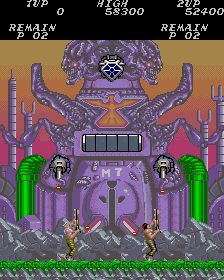
Hidenori Maezawa co-composed the Contra (NES, 1988) soundtrack with Kyouhei Sada, creating one of the most energetic and memorable scores in the NES library. Stage 1’s opening theme — an adrenaline rush of square waves and triangle bass — is among the most immediately recognisable pieces of game music from the era.
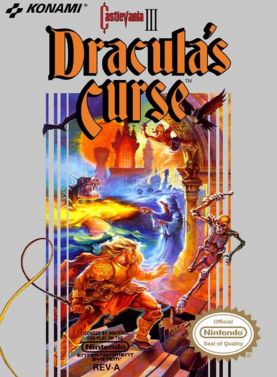
Maezawa then composed the Castlevania III: Dracula’s Curse (NES, 1990) soundtrack. The Famicom version of the game used the VRC6 mapper, adding two extra pulse channels and a sawtooth wave to the NES audio system — giving Maezawa a palette unavailable on standard hardware. Tracks like “Beginning” (composed by Kenichi Matsubara for the Famicom version) and “Aquarius” remain benchmarks for 8-bit composition.
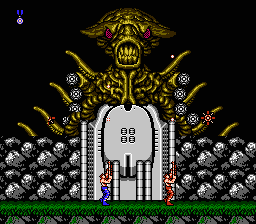
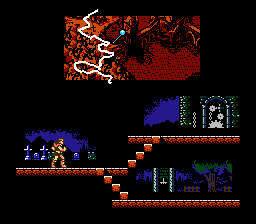
“Contra had to sound like war. Not polished film-score war — chaotic, adrenaline-soaked, arcade war. Every track was written to make your trigger finger move faster.”
— VGM retrospective on Contra NES soundtrack (Maezawa/Sada, 1988)
Kyouhei Sada
Composer - Contra (co-composer, 1988)
Kyouhei Sada co-composed the Contra (NES, 1988) soundtrack alongside Hidenori Maezawa. The Contra score is notable for its effective use of the NES’s limited audio hardware — two pulse wave channels, a triangle wave, a noise channel, and a DPCM sample channel — to create urgency and drive across more than a dozen distinct tracks. Sada also contributed to other NES-era Konami titles throughout his time at the company.
“Two composers, one game, fourteen tracks, and the hardware constraints of a chip from 1983. The Contra soundtrack is a masterclass in making the most of almost nothing.”
— VGMPF editorial on the Contra (NES) sound design
Masahiro Inoue & Hiroyuki Fukuda
Composers - Konami Kukeiha Club
Masahiro Inoue and Hiroyuki Fukuda appear in internal Konami credits for various NES-era titles. Both are associated with the Konami Kukeiha Club’s broader output during the 8-bit and early 16-bit eras. Due to Konami’s credit suppression policy, definitive attribution for specific tracks remains difficult to establish from secondary sources alone. Community research through VGMPF and ROM analysis continues to refine the historical record.
“The Kukeiha Club wasn’t a club in the traditional sense — it was Konami’s way of releasing music commercially without crediting individuals. The anonymity was intentional and total.”
— Wikipedia, Konami Kukeiha Club article

Hideo Kojima (early career only)
Director — Metal Gear, Snatcher, Policenauts (1987–1994)
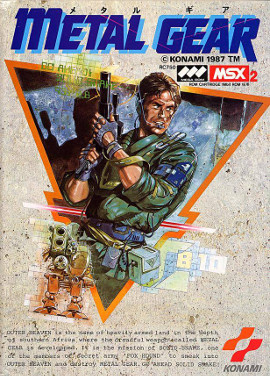
Hideo Kojima joined Konami in 1986, initially assigned to the MSX computer division. His first major project was Metal Gear (MSX2, 1987), which he designed and directed. The game’s core concept — a commando who avoids enemies rather than confronting them — was revolutionary: stealth as a survival necessity rather than a bonus option.
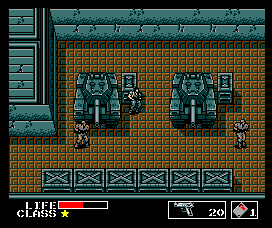
The NES port of Metal Gear (1988) was produced without Kojima’s direct involvement and made significant changes to level design. Kojima has publicly distanced himself from the NES version. His subsequent Konami work included Snatcher (1988, a cyberpunk adventure novel) and Policenauts (1994), before the Metal Gear series became Konami’s defining franchise through the PlayStation era. Kojima left Konami in 2015.
“I was told to make an action game. But we couldn’t have many enemies on screen at once, so I thought: what if the player has to avoid them instead?”
— Hideo Kojima, on the creation of Metal Gear (attributed, various interviews)