Listen In-Browser
NES (NSF)
SNES (SPC)
Loading audio engine…
Played via Game_Music_Emu WASM — NES 2A03 and SNES SPC700 emulation in-browser.
NES Era (1985–1990)
Listen: Super Mario Bros. NES complete soundtrack on YouTube →
Super Mario Bros. (1985) - Key Tracks
- Overworld (Ground Theme) - C major; the defining piece; loops without fatigue
- Underground - chromatic minor; claustrophobic tension
- Underwater - 3/4 waltz; floating, dreamlike quality
- Castle / Boss - staccato dissonant; escalating dread
- Starman - rapid ascending major; invincibility trigger
- Victory Fanfare - <3 seconds; perfect functional reward
The Legend of Zelda (1986) - Key Tracks
- Overworld Theme - modal major; adventure and mystery; one of the most recognisable game themes
- Dungeon - minor key, repetitive; sustained tension for puzzle-solving environments
- Title Screen - orchestral fanfare quality; establishes epic scope
SNES Era (1990–1995)
The SNES SPC700 chip (Sony) enabled eight channels of sampled audio - a dramatic expansion from the NES's four basic waveforms. Kondo could now use richer textures, sampled instruments, and more complex harmonic writing. The result was a new level of expressiveness while retaining his core philosophy of music serving gameplay.
A Link to the Past (1991) - Key Tracks
- Hyrule Castle - orchestral urgency; functions as a call to action
- Light World Overworld - expanded Zelda identity; warmth and possibility
- Dark World Overworld - sinister mirror of the Light World theme; same structure, transformed
- Ganon's Tower - escalating menace; the game's most dramatic score
Listen: A Link to the Past SNES soundtrack on YouTube →
Super Mario World (1990) - Key Tracks
- Overworld Theme - extended Mario identity; cape flight variations
- Athletic Theme - fast-paced, high-energy; a fan favourite
- Castle Theme - darker than SMB equivalent; SNES texture adds weight
N64 Era (1996–1998)
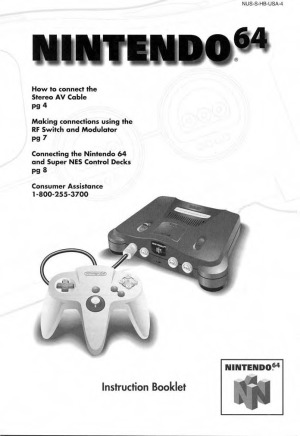
The transition to 3D presented new challenges for game music. Levels were now open spaces that players explored freely - music had to sustain exploration without becoming oppressive. Kondo developed an ambient, looping approach for the N64 that was distinct from his earlier work while remaining unmistakably his.
Super Mario 64 (1996) - Key Tracks
- Bob-omb Battlefield - bouncy, energetic; the iconic opening level track
- Dire Dire Docks - atmospheric, calm; ambient underwater exploration
- Bowser's Theme - ominous, driving; escalating through the three Bowser encounters
- File Select - gentle, contemplative; has become a beloved standalone track
Listen: Super Mario 64 full soundtrack on YouTube →

Ocarina of Time (1998) - Key Tracks
- Saria's Song (Lost Woods) - playful, looping; the Kokiri Forest theme; one of the most beloved tracks in the Zelda series
- Song of Time - solemn, time-worn; the Ocarina mechanic's central piece; played to open the Temple of Time
- Gerudo Valley - flamenco-influenced; the standout track of the N64 Zelda era
- Epona's Song - short, lyrical; the bond between Link and his horse; works as both gameplay mechanic and emotional music
- Ganon's Castle - final boss; builds on Zelda motifs; co-composed with Minegishi and S. Tanaka