Irem Arcade Hardware Overview
Irem developed a series of proprietary arcade hardware boards across their active years - each generation enabling more sophisticated graphics, sprite work, and audio. The boards are identified by the "M" designation used in arcade collector and MAME documentation. Unlike some companies that built custom chips for every title, Irem used relatively consistent board families across multiple games, allowing operators to run different titles on the same hardware with minimal modification.
| Board | Era | Architecture | Notable Titles |
|---|---|---|---|
| M52 | 1982 | Z80 (8-bit) | Moon Patrol, 10-Yard Fight |
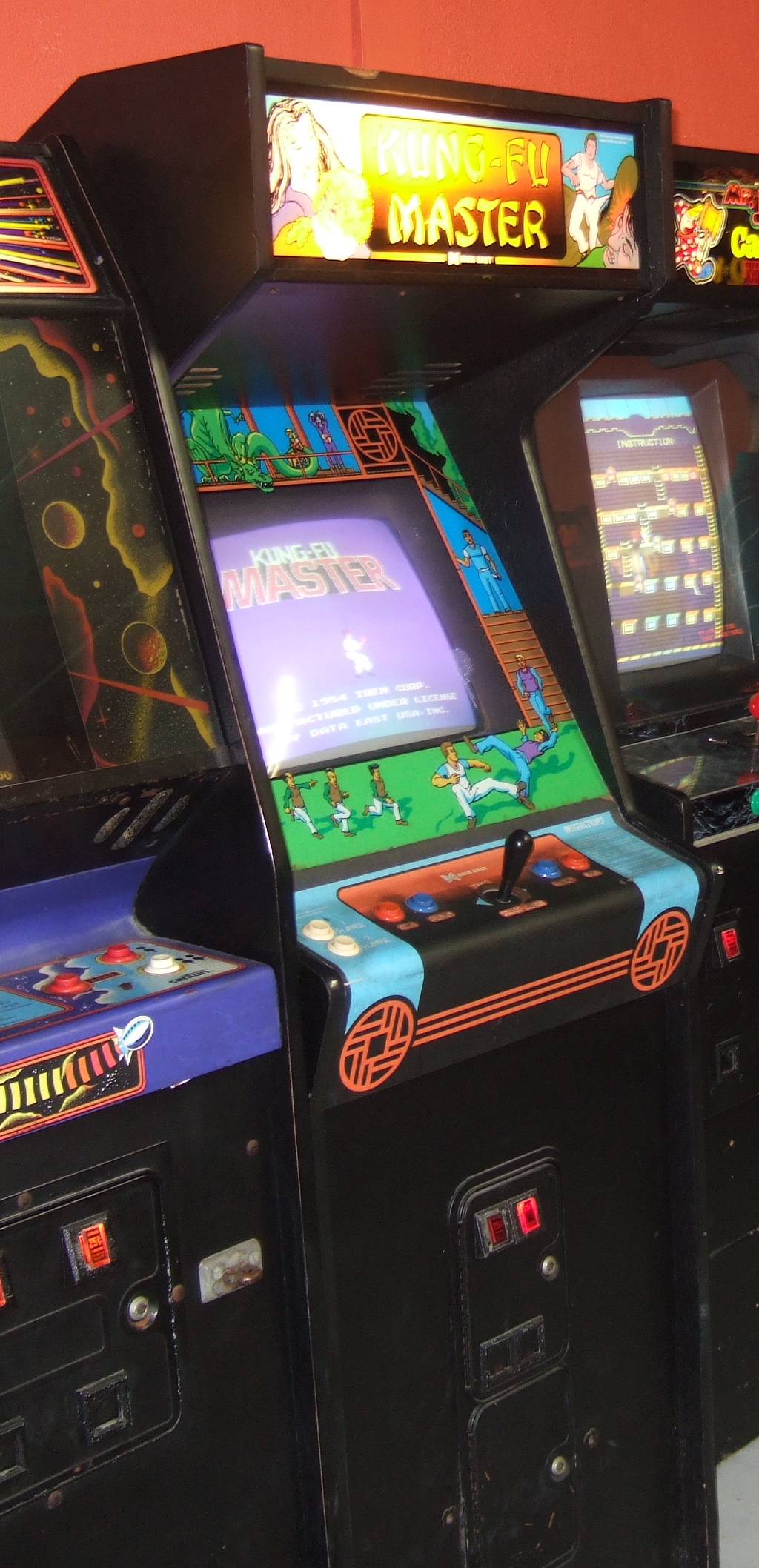
| M62 | 1984 | Z80 (8-bit) | Kung-Fu Master / Spartan X, Spelunker |
| M63 | 1985 | Z80 (8-bit) | Battle Road, Fighting Ice Hockey |
| M72 | 1987–1990 | 16-bit | R-Type (1987), Image Fight (1988), Dragon Breed (1989), Air Duel (1990) |
| M82 / M84 | 1989 | 16-bit | R-Type II |
| M92 | 1991–1994 | 16-bit (enhanced) | In the Hunt, Undercover Cops, Gunforce, Gunforce II, R-Type Leo |
The R-Type PCB: M72 Deep Dive
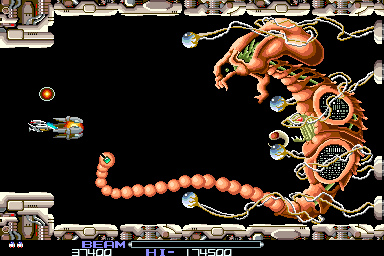
R-Type (1987) was the launch title for Irem's M72 hardware - a significant step up from the Z80-based boards that had powered Kung-Fu Master and Moon Patrol. The M72's 16-bit architecture enabled features that were technically impossible on earlier Irem hardware:
- Dense sprite work: multiple large, detailed enemy sprites animating simultaneously
- Hardware-scrolling backgrounds: smooth, independent layer scrolling
- The Force device: a persistent physics object - effectively a sprite that the CPU had to track relative to the player ship at all times
- Sampled audio: FM synthesis plus PCM samples for sound effects
The M72 was used by R-Type (1987), Image Fight (1988), Dragon Breed (1989), and Air Duel (1990) - a four-title run that represents some of the finest arcade shooting of the late 1980s. The board was sophisticated enough to handle R-Type's enemy-dense stages without the sprite-flicker that plagued contemporaries on less capable hardware.
R-Type's PCB was later re-released as part of Hamster Corporation's Arcade Archives series on Nintendo Switch and PlayStation 4 (2017) - preserving the M72 version specifically, as distinct from any home port.
Cabinet Types and Regional Variants
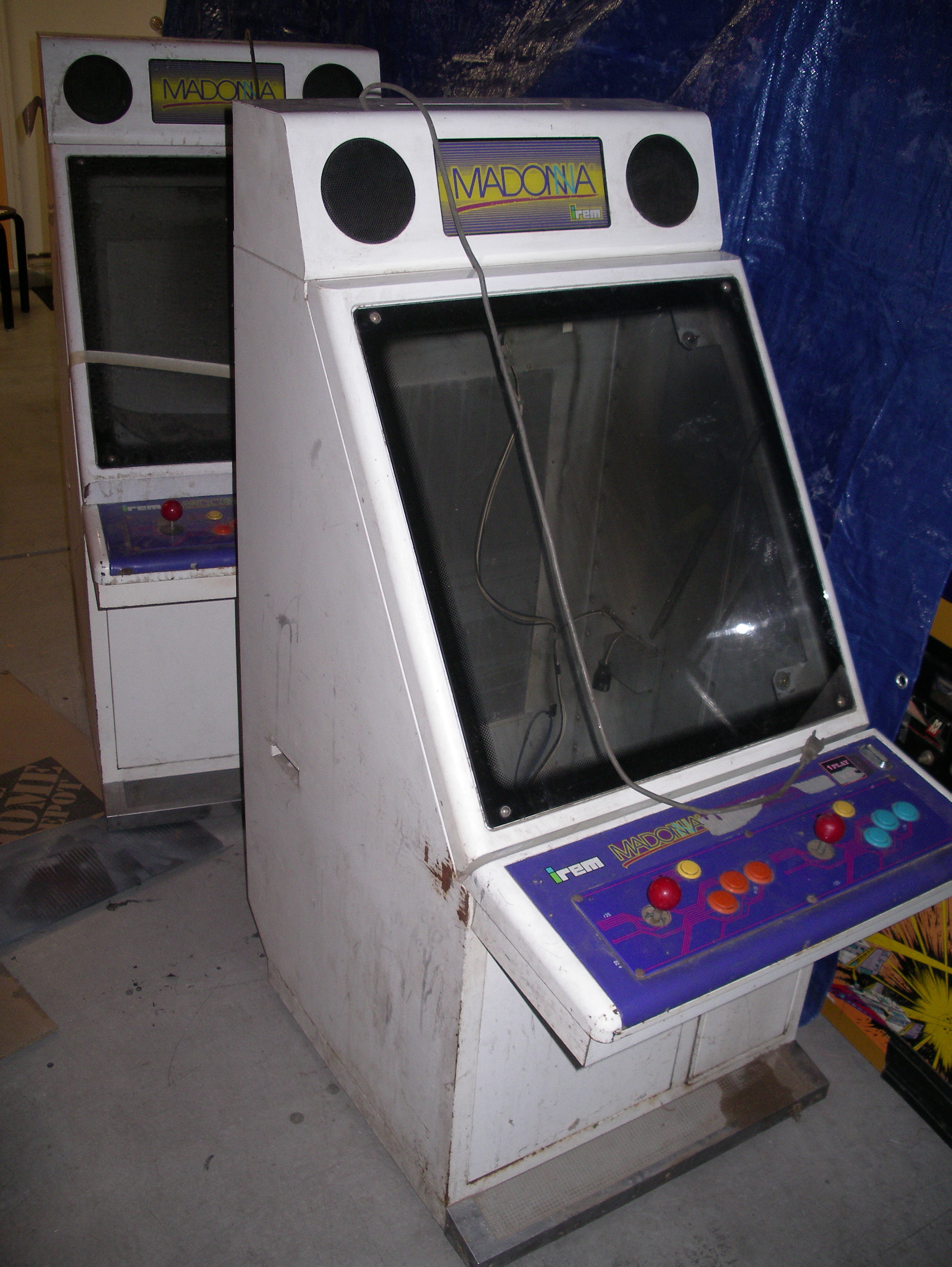
Irem produced both upright and cocktail configurations for their major arcade titles. The Irem Madonna cabinet - named for the cabinet design style rather than any association with the performer - represents the typical late-1980s Irem upright: clean lines, side art specific to the game, Nanao-manufactured CRT monitor. The relationship between Irem and Nanao (Nanao manufactured the monitors, and was majority shareholder) meant hardware integration was unusually tight for a Japanese arcade company.
Regional variants existed for major titles. Japanese versions typically used Irem's own branded cabinets. North American distribution arrangements - through Williams Electronics for Moon Patrol and through Nintendo for R-Type - meant those games were often shipped in the distributor's own cabinet configurations rather than Irem originals, making authentic Japanese Irem upright cabinets relatively uncommon in North American collections.
R-Type cabinet documentation: No confirmed source specifically documenting all R-Type cabinet variants has been identified in accessible English sources. MAME collector archives and auction records represent the best available documentation of the hardware as actually deployed.