People of Interplay
The founders, designers, and programmers who built the post-nuclear RPG tradition.
Brian Fargo
Co-Founder & CEO — Interplay Productions (1983–2002)
Born in 1963, Brian Fargo co-founded Interplay Productions in Irvine, California in 1983 at the age of 19 — one of the youngest founders of a major PC games studio of the era. As creative director and CEO through nearly two decades, Fargo shepherded Interplay from a small contract developer to one of the most influential publishers in PC gaming history.
Fargo was producer and designer on The Bard's Tale (1985) and Wasteland (1988), the post-nuclear RPG that he conceived and drove through development. He served as executive producer on Fallout (1997) and Fallout 2 (1998), providing the strategic and creative framework within which Tim Cain's team built one of the defining RPGs of the 20th century.
Following Interplay's financial collapse, Fargo founded inXile Entertainment in 2002. In 2012, he Kickstarted Wasteland 2 — the direct sequel to his 1988 original — raising $2.9 million. inXile was acquired by Microsoft in 2018.
Key credits: The Bard's Tale (1985, producer/designer), Wasteland (1988, producer/designer), Fallout (1997, executive producer), Fallout 2 (1998, executive producer), Wasteland 2 (2014, director at inXile).
Wasteland Design Team
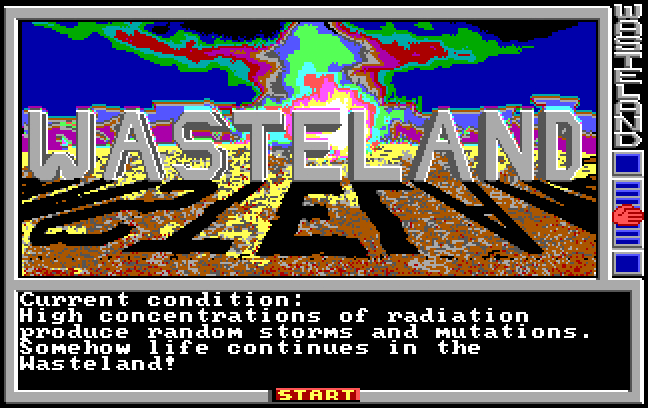
Wasteland (1988) was designed by a team of four: Brian Fargo, Ken St. Andre, Michael Stackpole, and Alan Pavlish. Each brought distinct expertise that shaped the game's revolutionary approach to RPG design.
Ken St. Andre
Designer - Wasteland (1988)
Creator of the Tunnels & Trolls tabletop RPG (1975) — one of the earliest RPGs published after Dungeons & Dragons. His skill-based tabletop design philosophy directly shaped Wasteland's character system.
Michael Stackpole
Designer - Wasteland (1988)
Co-designed the Wasteland scenario and skill system. Later became a prominent science fiction and fantasy novelist, best known for his Star Wars: X-Wing novel series. His writing background contributed to Wasteland's literary world-building.
Alan Pavlish
Designer - Wasteland (1988)
Co-designed the Wasteland skill system and post-nuclear scenario alongside Fargo, St. Andre, and Stackpole. Contributed technical design expertise to the game's innovative party management and encounter systems.
Tim Cain
Lead Designer & Programmer — Fallout (1997)
Tim Cain was the creative engine behind Fallout (1997), serving as lead designer, programmer, and producer. He began the project as a small personal experiment — a simple roleplaying engine — that grew into one of the most important RPGs ever made.
When the GURPS licence fell through, Cain and his team devised the SPECIAL system (Strength, Perception, Endurance, Charisma, Intelligence, Agility, Luck) as a replacement — an attribute framework that became one of RPG history's most beloved designs. His technical and design contributions defined Fallout's mechanical identity.
After Fallout, Cain left Interplay to co-found Troika Games (1998), producing Arcanum: Of Steamworks and Magick Obscura (2001) and Vampire: The Masquerade – Bloodlines (2004). He later joined Obsidian Entertainment, where he co-designed The Outer Worlds (2019) — widely seen as a spiritual successor to Fallout.
Key credits: Fallout (1997, lead designer/programmer/producer), Arcanum (2001, Troika), The Outer Worlds (2019, Obsidian).
Chris Taylor
Lead Designer — Fallout (1997)
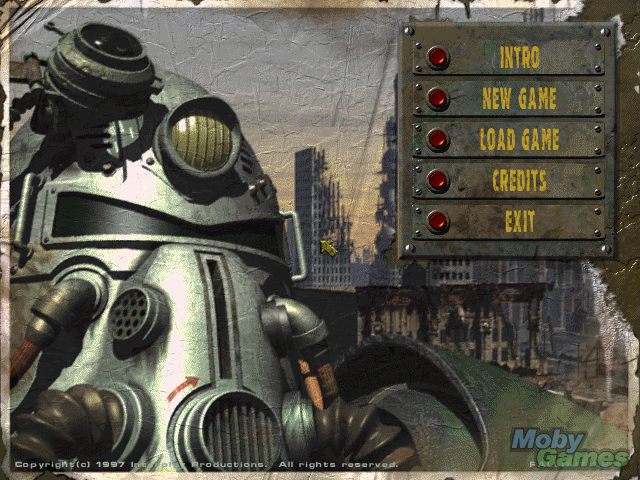
Chris Taylor served as lead designer on Fallout (1997) alongside Tim Cain, co-designing the SPECIAL attribute system and much of the game's world content, quests, and narrative structure. Taylor's contributions shaped Fallout's approach to moral choice and player agency.
Note: This Chris Taylor is distinct from Chris Taylor of Gas Powered Games (Total Annihilation, Supreme Commander), who shares the same name.
Key credits: Fallout (1997, lead designer), Fallout 2 (1998, designer).
Doug TenNapel
Creator - Earthworm Jim (Character & Franchise)
Doug TenNapel conceived the character of Earthworm Jim during a weekend sketch session — a surreal idea about a worm who finds a super-powered suit and must navigate a world of cartoon villainy. The design was pitched to Shiny Entertainment, which had been looking for a mascot-style platformer to develop for Interplay.
TenNapel provided the character's voice acting in both the games and the subsequent animated television series (1995–1996). Earthworm Jim became one of the defining mascot characters of the 16-bit era, rivalling Sonic the Hedgehog and Donkey Kong for visual personality and originality.
Key credits: Earthworm Jim (character creator, 1994), Earthworm Jim 2 (character creator, 1995).
Rebecca Ann Heineman
Co-Founder & Lead Programmer — Interplay Productions
Also known as Burger Becky, Rebecca Ann Heineman was one of Interplay's four co-founders and the studio's lead programmer for its formative years. She was responsible for many of Interplay's most technically demanding ports and original programming work.
Heineman had previously won the first National Space Invaders Championship in 1980 as Bill Heineman — a remarkable competitive achievement that underscored her technical aptitude. Her programming contributions to Interplay's early catalogue were foundational to the studio's technical reputation.
Key credits: Co-founder, lead programmer on multiple early Interplay titles including The Bard's Tale ports and Wasteland.