The PC-Engine Chronicles
A comprehensive documentary on the PC Engine’s history - covering the NEC/Hudson co-development partnership, the console’s Japanese dominance over the Mega Drive, and the CD-ROM² era that changed what home gaming could be.
Hudson Soft · 1973 – 2012
From a Sapporo electronics shop to the creators of the PC Engine - nearly four decades of technical invention and cultural impact.
1973
Company Founded
Hiroshi and Yuji Kudo open Hudson Soft in Sapporo, Hokkaido, initially as an electronics retailer.
1983
Lode Runner & Bomberman
Two landmark titles in one year: Lode Runner (developer-credited) and the first Bomberman on PC-88.
1985
Famicom Expansion
Bomberman and Star Soldier reach the Famicom, bringing Hudson to a mass audience.
1986
Adventure Island
Adventure Island launches on Famicom, featuring Takahashi Meijin as the inspiration for the hero.
1987
PC Engine Launch
NEC and Hudson co-develop the PC Engine. Hudson designs the HuC6280 CPU and HuCard format.
1988
CD-ROM² Add-On
First CD-ROM add-on for any home console, opening entirely new categories of PC Engine software.
1993
Bomberman ’93
5-player battle mode on PC Engine redefines multiplayer gaming and cements Bomberman as a franchise.
2012
Absorbed by Konami
Hudson Soft is fully merged into Konami Holdings, ending 39 years as an independent studio.
The early years on home computers - when Hudson discovered what it meant to make games worth remembering.
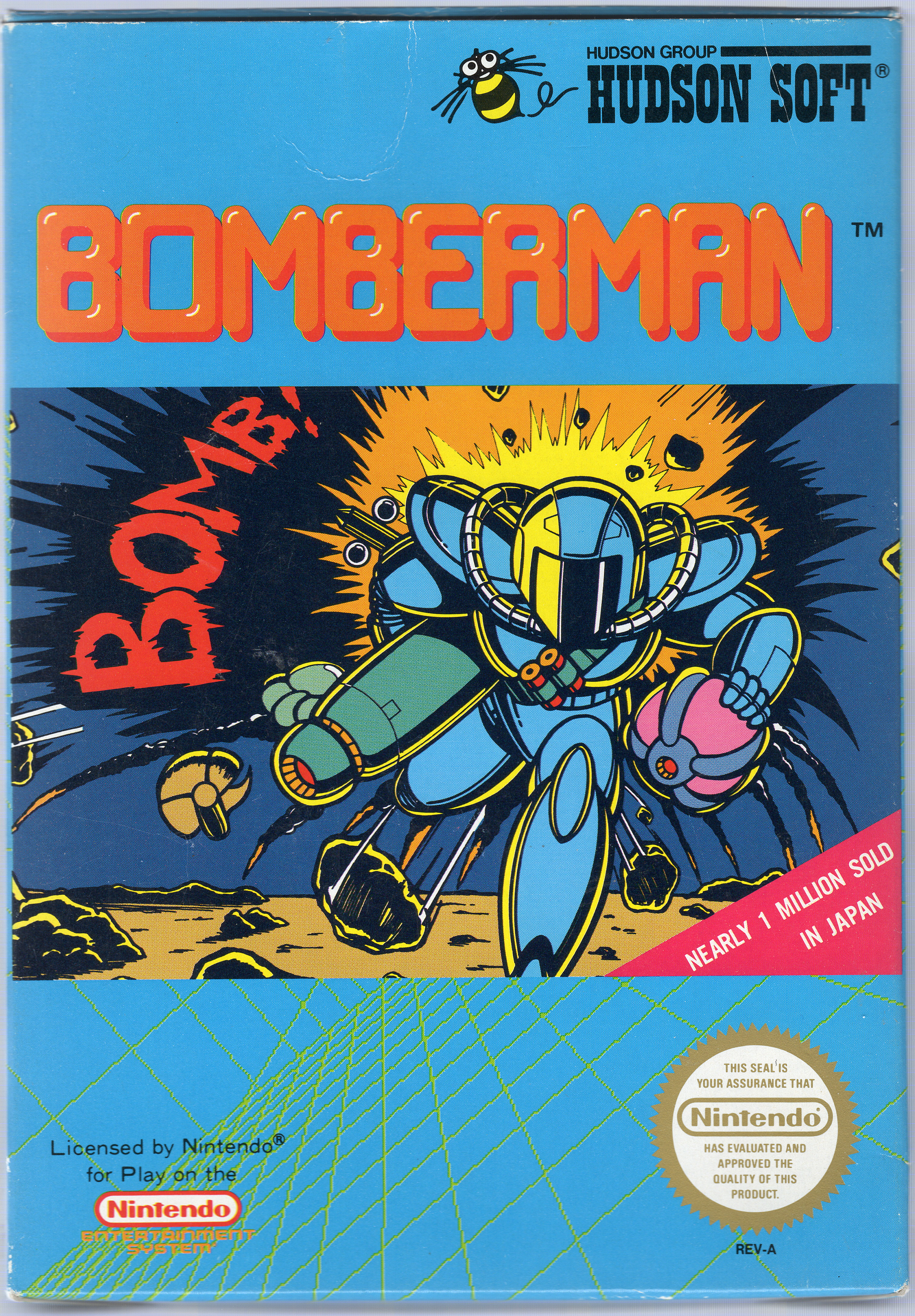
Hudson Soft was founded in 1973 by brothers Hiroshi and Yuji Kudo in Sapporo, Hokkaido - Japan’s northernmost major island, a city then known for beer, miso ramen, and cold winters rather than technology. The company began as a small electronics retailer before pivoting to software development in the late 1970s as Japan’s home computer market began to form around NEC’s PC-88 and PC-98 platforms.
The studio took its name from the Hudson River - a name the founders chose for its breadth and ambition, a statement of intent from a company that would spend the next four decades proving the name justified.
In 1983, Hudson published its port of Douglas E. Smith’s Lode Runner for the NEC PC-88 and PC-98. The game was notable beyond its clever platform-puzzle design: it was one of the first games in Japanese software history to individually credit its developer in the software itself - a norm in Western publishing that was still radical in Japan, where corporate anonymity was standard.
Lode Runner sold over one million copies across platforms and established Hudson as a publisher capable of bringing Western titles to Japanese audiences with genuine technical care - not merely functional ports but polished adaptations that sometimes improved on the originals.
Also in 1983, Hudson released the first Bomberman on the PC-88 - known at the time simply as Bakudan-Otoko (Bomb Man). It was a simple top-down maze game in which a single player navigated corridors, planting bombs to clear walls and defeat enemies. There was no multiplayer, no power-ups, no iconic white suit.
The concept was modest, the execution competent, and the sales unremarkable. Nobody at Hudson - or anywhere else - could have predicted that this quiet little maze game would become one of gaming’s most enduring multiplayer franchises, still producing new entries 30 years later.
Among Hudson’s notable early achievements was being the first Japanese company to port Pac-Man to a home computer - bringing Namco’s arcade phenomenon to the NEC PC-88 platform in 1983. This licensing relationship with Namco signalled Hudson’s growing industry standing at a time when most Japanese developers were still navigating the emerging home software market.
Nintendo’s console gave Hudson their largest audience yet - and gave the world some of its most distinctive early Famicom titles.
As Nintendo’s Famicom conquered Japan’s living rooms in 1984–85, Hudson moved quickly to establish itself on the platform. Star Soldier (1986), designed by Yuji Toyoda, became a genuine showpiece for the Famicom’s visual and audio capabilities - a vertical shooter of unusual complexity and visual density that stood apart from contemporaries.
The Famicom version of Bomberman (1985) introduced the game to a mass audience for the first time. Hudson refined the maze mechanics and added visual personality to a game that had been functional rather than charming on the PC-88. The Famicom version found an audience; the sequel and follow-ups would find a phenomenon.
Adventure Island (1986) was Hudson’s spiritual sequel to Sega’s Wonder Boy, adapted under license and rebuilt entirely. Its lasting significance came from its marketing: Hudson’s spokesman Takahashi Meijin - famous for his verified ability to press a controller button 16 times per second - was incorporated as the inspiration for the game’s main character, Master Higgins.
The cross-promotion between a real human personality and an in-game character was unusual for the era and helped Adventure Island sell strongly in Japan. It also established Takahashi Meijin as one of gaming’s earliest genuine celebrity figures - a mascot with a measurable, provable skill rather than a fictional brand invention.
The Famicom market was where you proved yourself. If you could make something that stood out on the Famicom library shelf, you had a real business. — Hudson Soft corporate retrospective
The years when Hudson Soft reached its creative and commercial peak - as hardware architect, lead publisher, and game developer all at once.
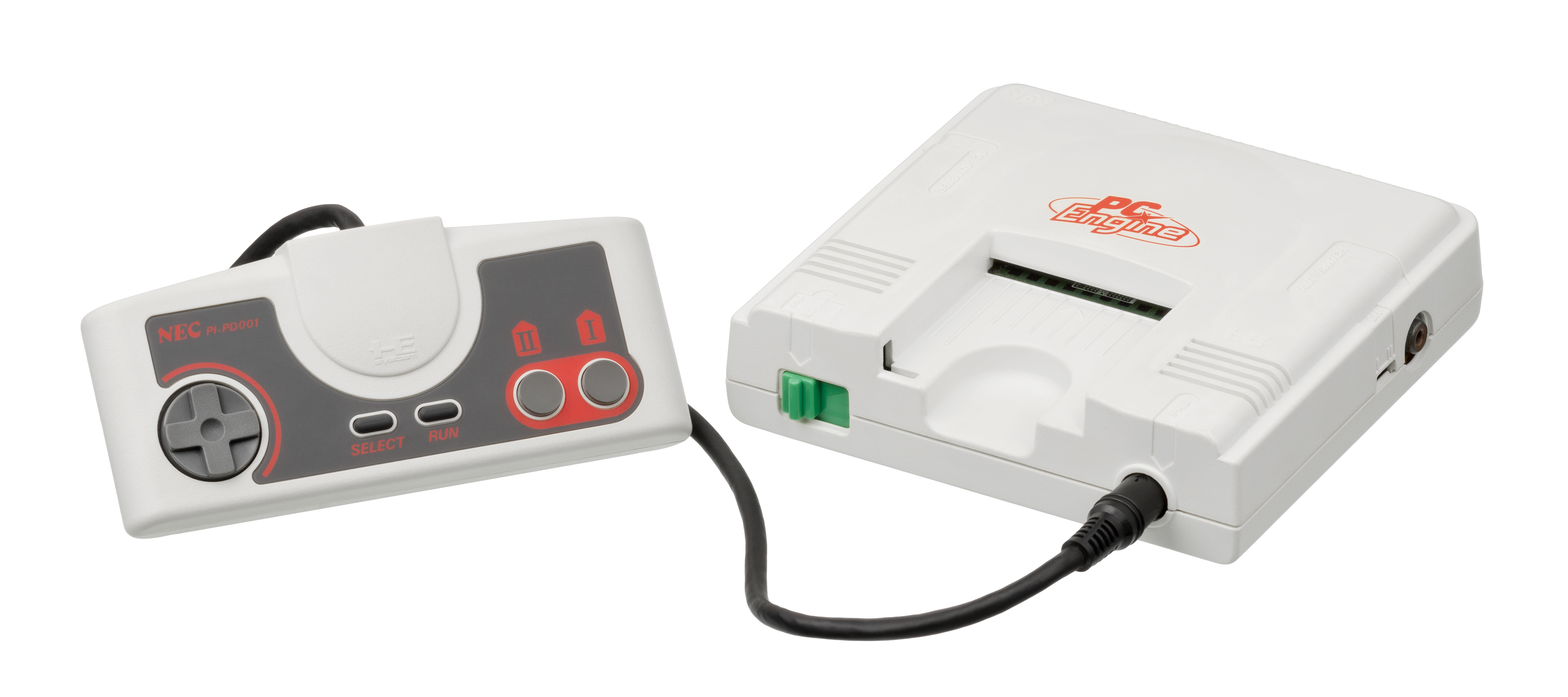
By 1985, Hudson had developed a reputation as one of Japan’s most technically capable software studios. NEC, looking to enter the home console market, approached Hudson as a hardware development partner rather than merely a software licensee - an extraordinary arrangement that spoke to Hudson’s technical standing.
Hudson contributed the HuC6280 CPU design - an 8-bit core with a 16-bit graphics subsystem - and the HuCard storage format (named partly for Hudson; partly for the Japanese word hu, “fire”). NEC provided manufacturing and retail distribution. The result, launched in Japan on 30 October 1987, was the PC Engine: smaller than a paperback book, technically superior to the existing competition, and immediately profitable.
In December 1988, Hudson and NEC released the CD-ROM² add-on for the PC Engine - the first CD-ROM peripheral ever produced for a home gaming console. The significance was profound: CD-ROM storage allowed games of a scale impossible on HuCards, enabling full voice acting, CD-quality music, and cinematic presentation years before any competitor.
Hudson developed many of the early CD-ROM² titles themselves, including Dungeon Explorer (1989) and later the landmark Gate of Thunder (1992), whose redbook audio soundtrack demonstrated what the format could deliver when properly exploited. Konami’s Castlevania: Rondo of Blood - published by Hudson for the PC Engine CD-ROM in 1993 - is among the most celebrated games the format ever produced.
Bomberman ’93, released for the PC Engine in 1993, was the moment the franchise became something genuinely transformative. By introducing a 5-player battle mode using the PC Engine’s multitap accessory, Hudson turned Bomberman from a single-player maze game into one of gaming’s great multiplayer experiences - chaotic, balanced, immediately legible, and endlessly replayable.
The template established in Bomberman ’93 defined the franchise’s identity for the next two decades. Super Bomberman 1–5 on Super Famicom, Bomberman 64, and beyond all operated within the framework that the PC Engine game had proved viable.
We didn’t just publish on the PC Engine. We were part of it - from the silicon up. — Hudson Soft developer, PC Engine retrospective interview
As the PC Engine faded and the 32-bit era arrived, Hudson navigated new platforms while the Bomberman franchise carried the studio forward.
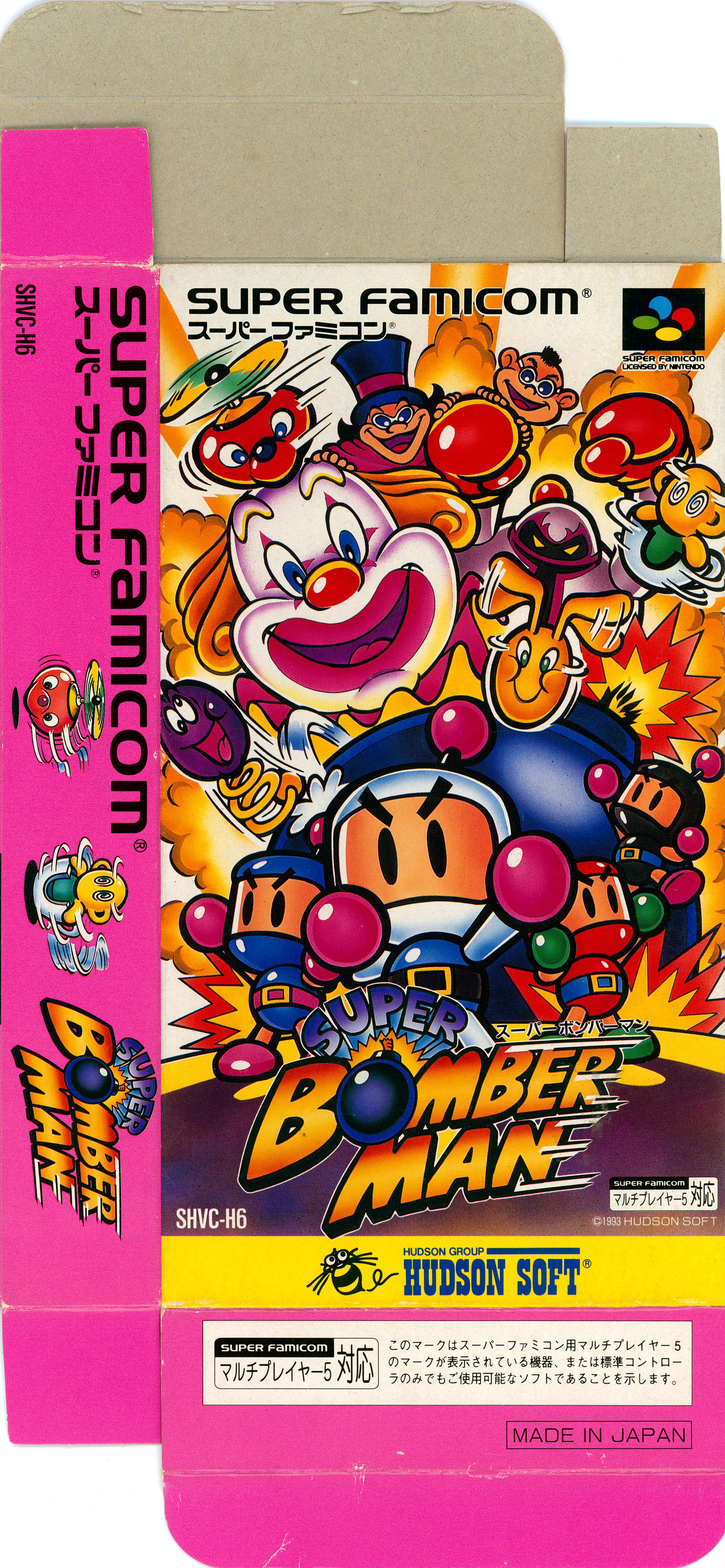
As the Super Famicom and Mega Drive redefined the market in the early 1990s, Hudson transitioned Bomberman to the new platforms without missing a beat. Super Bomberman 1–5 (1993–1997) expanded the multiplayer formula to SNES, adding power-ups, themed worlds, and the 5-player mode that had made Bomberman ’93 so successful - this time accessible to a wider audience through the SNES multitap.
On Nintendo 64, Bomberman 64 (1997) attempted the leap to 3D with reasonable success, while the Game Boy adaptations kept the franchise visible across handhelds throughout the decade. Hudson proved genuinely skilled at maintaining franchise consistency across generational transitions.
By the mid-2000s, Hudson Soft’s independence was under increasing pressure. Konami Holdings had been acquiring stakes in the company over several years, and in 2005 Hudson became a Konami subsidiary. The creative output continued - including the long-running Momotarō Dentetsu series and continued Bomberman entries - but the studio’s character gradually changed under corporate consolidation.
In 2012, Hudson Soft was fully absorbed into Konami Holdings, with the brand discontinued. After 39 years as an independent entity, the company that had co-designed a console, launched a gaming dynasty, and given the world Takahashi Meijin ceased to exist as a separate organisation. The Bomberman franchise passed to Konami, where it continues today.
Hudson Soft represents an era of Japanese game development where technical ambition and creative invention were inseparable. They didn’t just make games - they built the hardware that made the games possible. — Retro gaming retrospective, 2020
A comprehensive documentary on the PC Engine’s history - covering the NEC/Hudson co-development partnership, the console’s Japanese dominance over the Mega Drive, and the CD-ROM² era that changed what home gaming could be.