Biography

From R&D1 to Creatures

A Life in Nintendo Sound

The Composer’s Journey

1957 – 1980

Early Life and the Road to Nintendo

Hirokazu Tanaka was born in 1957 in Japan. His path to Nintendo came not through a traditional music conservatory background but through the intersection of electronics, experimental sound, and the emerging world of interactive entertainment.

In 1980, Tanaka joined Nintendo’s Research & Development division - the same creative group that would go on to produce some of the most important games and hardware of the 8-bit era. His arrival coincided with Nintendo’s transition from the arcade cabinet business toward the home console market.

At this early stage, “game music” was barely a recognised discipline. Tanaka would help define what it could be.
1984

The Famicom Era - Balloon Fight, Excitebike, Clu Clu Land

Tanaka’s earliest documented composing credits arrived in 1984, a pivotal year for the Famicom in Japan. Three titles appeared in close succession:

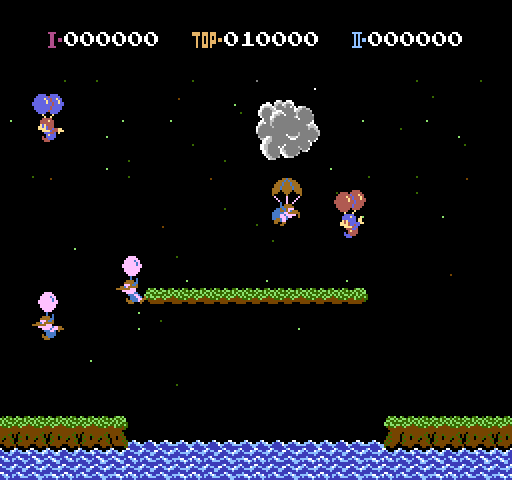
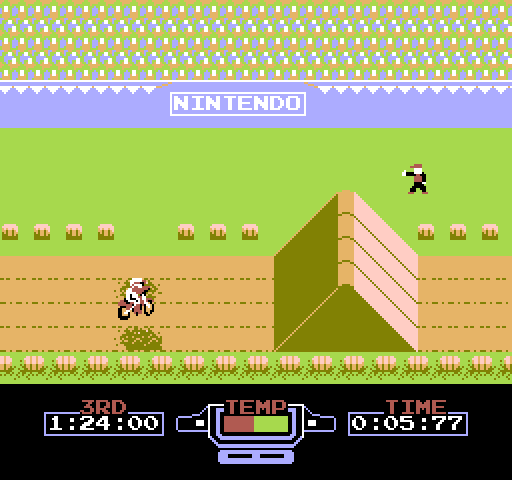
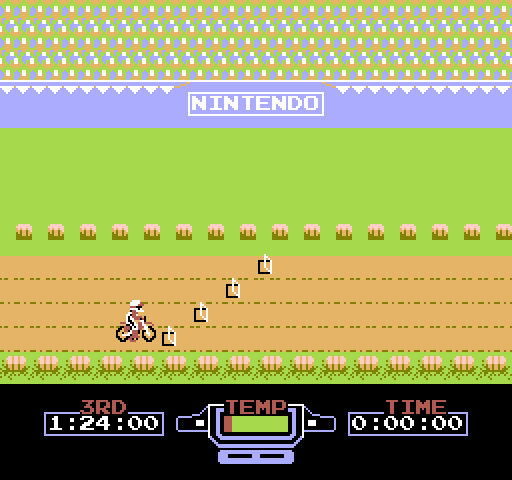
Balloon Fight - a Joust-inspired action game whose music is simple but rhythmically distinctive. Clu Clu Land - a maze action game with an energetic, circular score. Excitebike - a motocross racer with driving themes that matched the game’s speed and became an NES launch title in North America in 1985.

These three titles established Tanaka as a reliable, technically skilled member of Nintendo’s internal music team - and gave him a platform to explore the Famicom’s audio capabilities before the larger challenges ahead.

Excitebike NES title screen Excitebike NES gameplay Balloon Fight NES title screen

1986 – 1987

Metroid & Kid Icarus - The Famicom Disk System Era

The Famicom Disk System, released in Japan in February 1986, expanded the Famicom’s audio capabilities with an additional wavetable synthesis channel - a sixth channel not available to standard NES cartridge games. Tanaka used this new hardware to create his most ambitious scores to date.

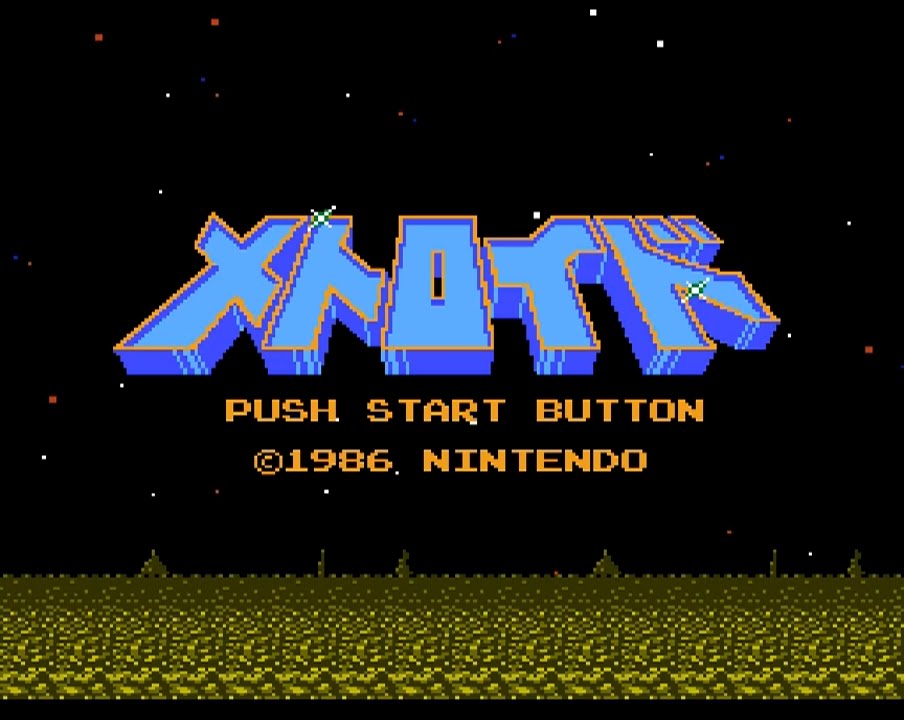
Metroid (August 6, 1986, FDS Japan) marked a turning point in what game music could accomplish atmospherically. Rather than filling every channel with melody, Tanaka used sparse texture, drone, and deliberate silence to evoke the alien isolation of Planet Zebes. The score was unlike anything the Famicom had produced.

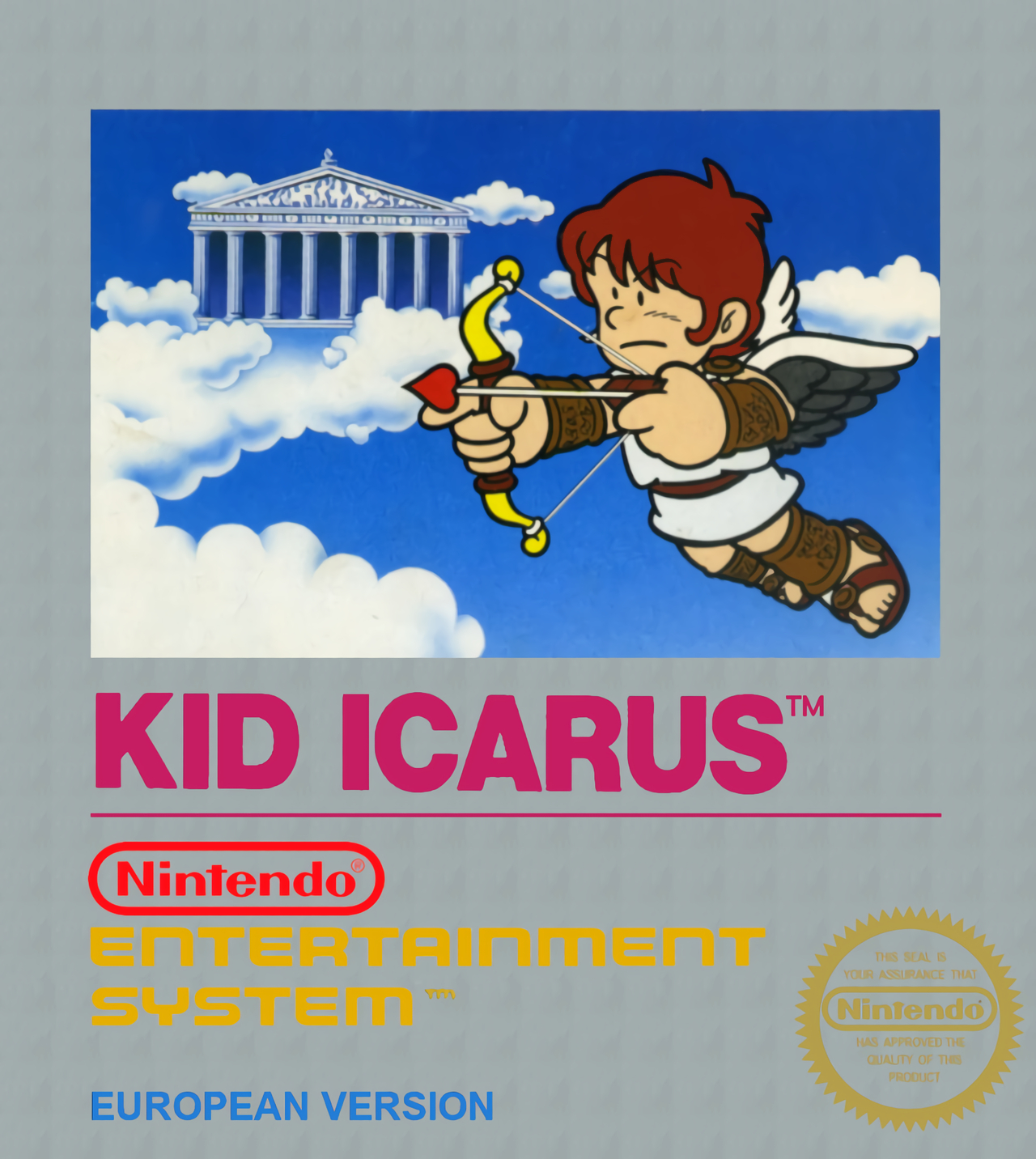
Kid Icarus (December 19, 1986, FDS Japan), developed by the same R&D1 team, complemented Metroid’s darkness with a more heroic register - fanfares and platform energy balanced against the FDS’s richer timbres.

Both titles received NES cartridge ports in 1987 - North America in July for Kid Icarus and August for Metroid. The NES versions adapted the compositions within the standard 5-channel NES chip, without the FDS wavetable.

Metroid FDS title screen Kid Icarus NES box art
“Metroid’s music had to convey the feeling of being completely alone in an alien world. There were almost no landmarks in that world - just caves, and Samus, and the sounds that echoed off the walls.” - Paraphrased from community retrospective accounts of Tanaka’s compositional approach

1989

The Game Boy Launch - Tetris & Super Mario Land

The Game Boy (DMG-01), designed by Gunpei Yokoi’s team and launched in Japan in April 1989 and North America in July 1989, came with a 4-channel audio system: two pulse waves, one wave channel, and a noise channel. It was simpler than the NES in some respects, but its constraints produced remarkable results in Tanaka’s hands.

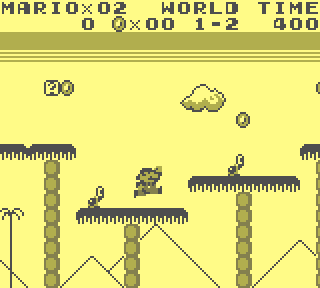
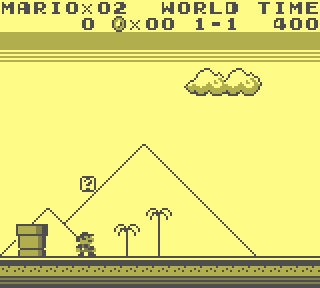
Super Mario Land (April 1989, JP) - Tanaka’s entirely original score is often confused with Tetris because both are 1989 Game Boy launch-window titles; both were composed by Tanaka. Super Mario Land’s music is light and melodic - a distinct register from the Metroid atmospherics.

Tetris (June 1989, JP; July 1989, NA) bundled with the Game Boy at North American launch - meaning Tanaka’s arrangement of the 19th-century Russian folk song “Korobeiniki” (Type A) was heard by millions of players on day one. It became one of the most-played pieces of music in human history.

Super Mario Land Game Boy title screen Super Mario Land gameplay

1989

Mother (EarthBound Beginnings) - Psychedelic Soul

Mother (Famicom, July 27, 1989 JP; released in Western markets as EarthBound Beginnings via Nintendo eShop in 2015) was a landmark RPG directed by advertising copywriter and cultural figure Shigesato Itoi.

Itoi directed Tanaka toward a deliberately unusual aesthetic: psychedelic, Beatles-influenced, and explicitly Western in its pop sensibility - a radical departure from the JRPG conventions of the era. The resulting score features waltz rhythms, surf rock elements, and electronic ambience that sit completely apart from contemporary Famicom RPGs.

It was Tanaka’s most compositionally adventurous work and demonstrated a range that stretched far beyond his atmospheric Metroid approach.

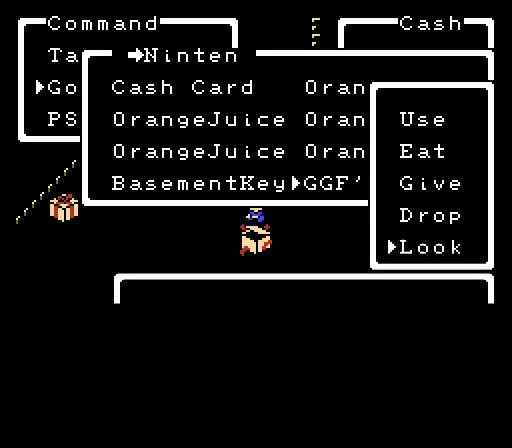
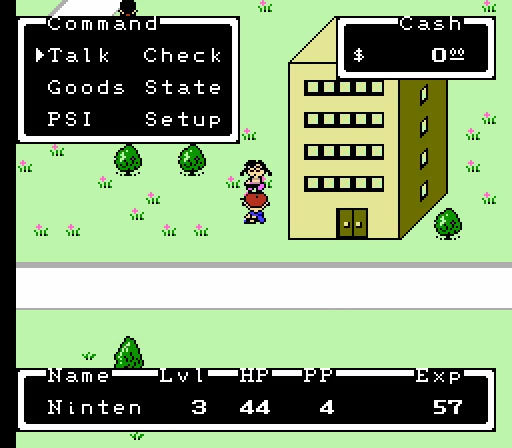
Mother EarthBound Beginnings gameplay Mother EarthBound Beginnings gameplay 2

1994

EarthBound (Mother 2) — Sound Direction

EarthBound (Super Famicom / SNES, August 27, 1994 JP; June 5, 1995 NA) was Tanaka’s final major composing credit. He served as sound director alongside Keiichi Suzuki, who handled the primary compositional duties.

The SNES hardware offered considerably more audio channels and sample-based synthesis than the Famicom, and the EarthBound score made full use of this - 200+ distinct musical cues, each precisely matched to a location, encounter, or emotional beat. The result is widely regarded as one of the greatest RPG soundtracks ever made.

After EarthBound, Tanaka’s active composing career effectively concluded. He moved into executive roles that would take him to the very different world of Pokémon.

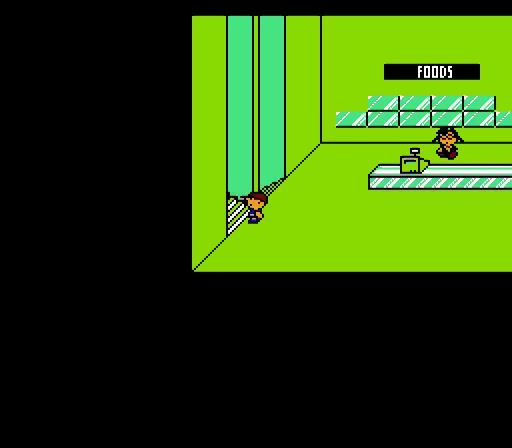
Mother EarthBound Beginnings gameplay 3

Post-1994

Creatures Inc. — From Composer to Executive

Following his final major Nintendo composing credit, Tanaka co-founded and served as president of Creatures Inc. (クリーチャーズ) - the studio that grew out of Nintendo’s Pokémon-adjacent work and became responsible for developing entries in the Pokémon Trading Card Game series.

It was a complete transformation: from a composer operating at the level of individual sound chips and channel assignments to a company president overseeing one of the most commercially successful multimedia franchises in history.

Tanaka is not credited as composer on major releases after the mid-1990s. His composing career lasted roughly 14 years - a concentrated period that produced some of the most enduring music in video game history.