How Liverpool Got Its SID Voice
From VIC-20 experiments at Imagine to the Ocean house sound - Fred Gray's journey through six years of C64 composition.
Imagine Software and the Liverpool Scene
Fred Gray came to professional game music by accident. His early VIC-20 compositions caught the ear of Tim Best, a recruitment officer at Imagine Software, who invited him to join the company as their in-house composer. Imagine was at that point one of the brightest names in British software - ambitious, well-funded, and burning with the same energy that characterised the early 1980s home computer boom.
"Everybody was so excited and optimistic, the enthusiasm was infectious."
Fred Gray on Imagine Software, Remix64 interview, 2001
The collapse of Imagine in 1984 - filmed live by a BBC documentary crew who had arrived expecting to shoot a success story - was one of the most public failures in British software history. For Gray, it was the push into freelance work that would define the rest of his career.
The Beyond Software and Odin Years
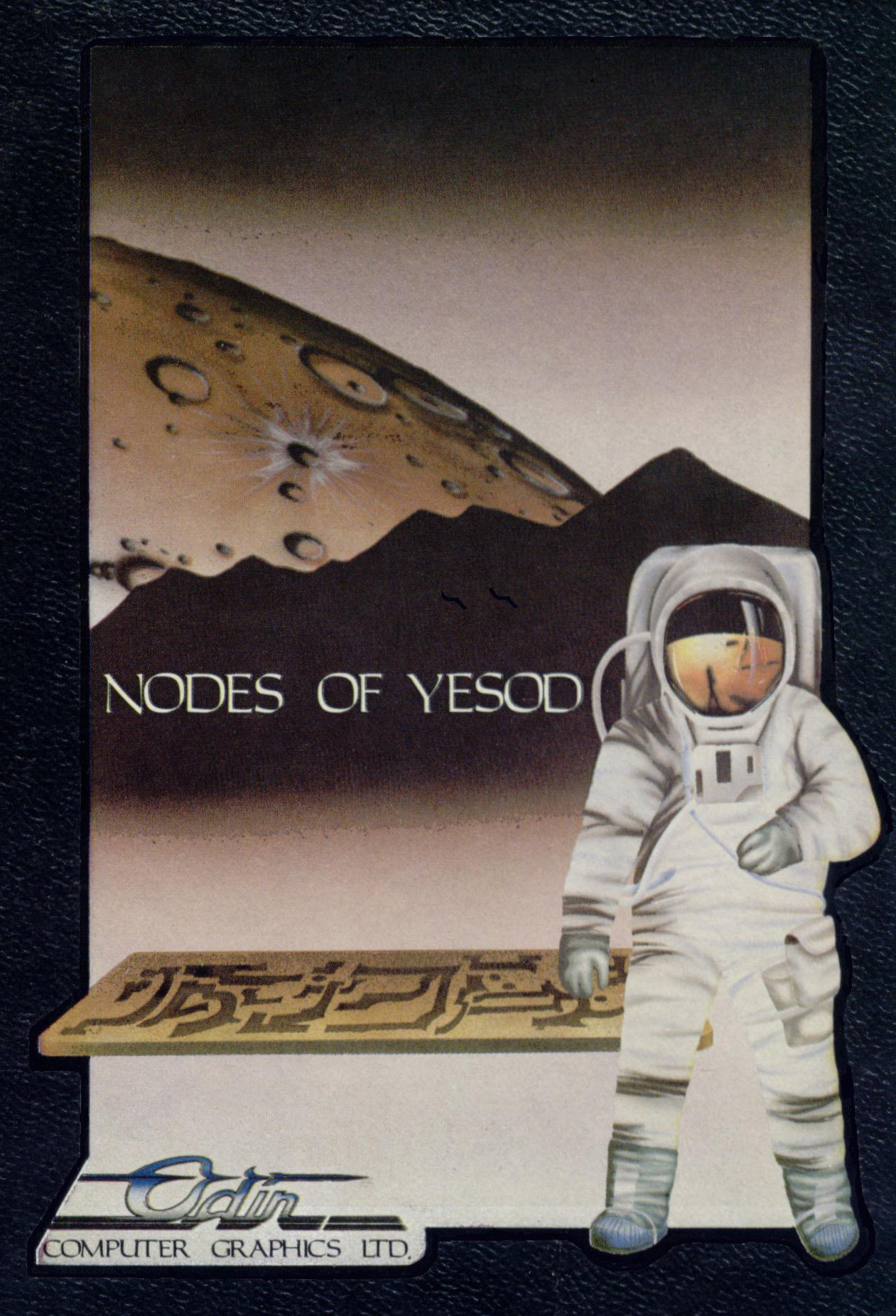
The mid-1980s saw Gray working across several studios simultaneously. For Odin Computer Graphics he produced the music to Nodes of Yesod (1985) and The Arc of Yesod (1985) - two of the most technically polished platform games of the early C64 era. Both games featured music that exploited the SID's three-voice architecture with a fullness that was genuinely unusual for the period.
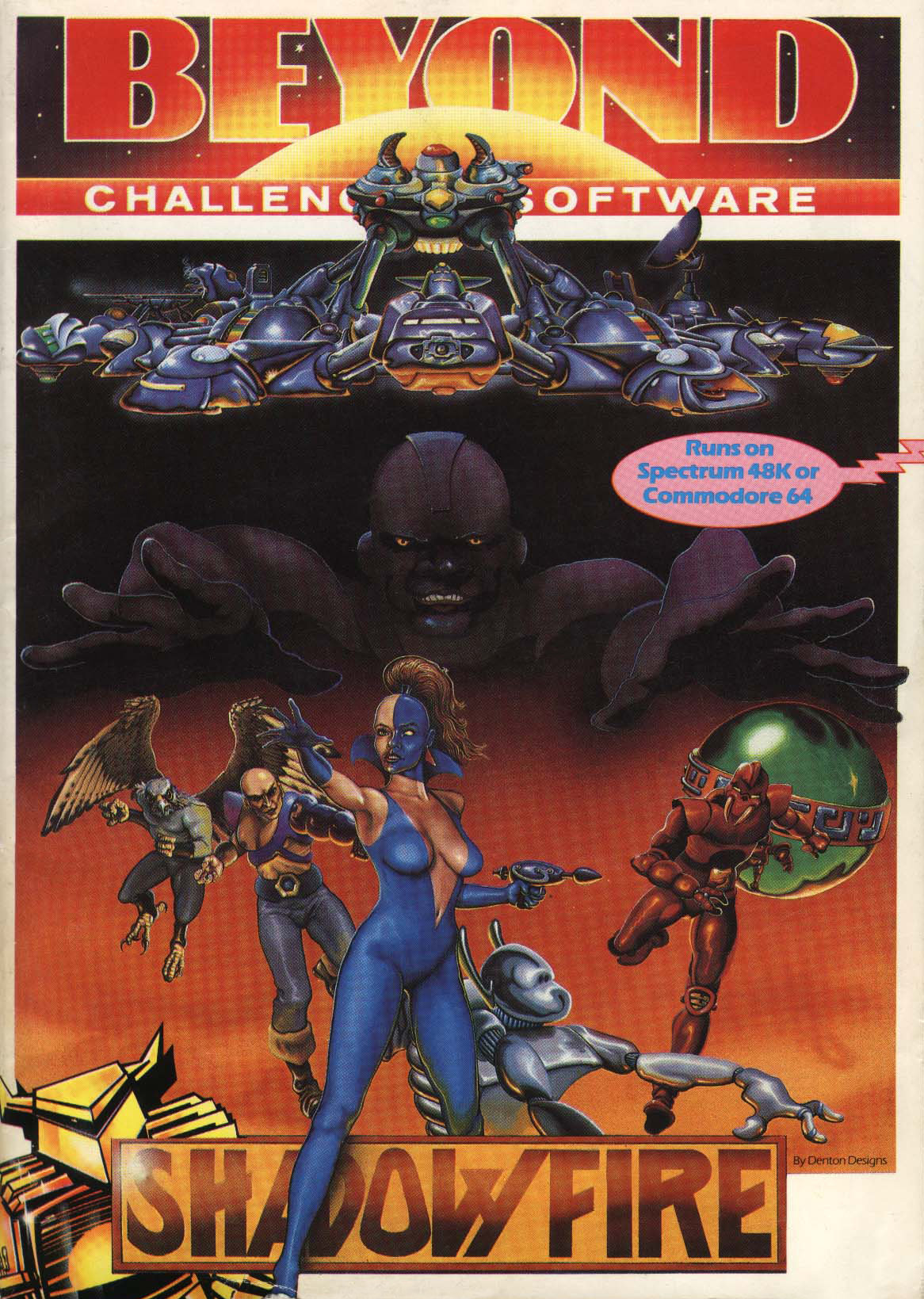
His work for Beyond Software and Special FX produced the two compositions that would cement his reputation: ShadowFire (1985) and its sequel Enigma Force (1986). Both games used an icon-driven interface that was revolutionary for C64 titles, and both carried music that matched their ambition. The ShadowFire theme in particular became synonymous with a specific kind of atmospheric tension that very few SID composers achieved.
Three Voices, Full Chords, 12/8 Time
Gray's technical approach distinguished him from the majority of his contemporaries. Most SID composers used the chip's three oscillators to play three independent monophonic voices - melodic lead, a counter-melody, and a bass line. Gray treated the three voices as a harmonic unit, building full chords and using all three channels simultaneously for texture.
He also worked extensively in 12/8 time - a compound metre unusual in game music of the era, which naturally produces a triplet-driven swing feel that sits well under the SID's waveform synthesis. Combined with his habit of writing rhythmically sophisticated bass lines (the Mutants main theme began as a bass line that he later promoted to lead), the result was music that felt harmonically richer than most of what surrounded it.
The Ocean Period and the Rob Hubbard Transition
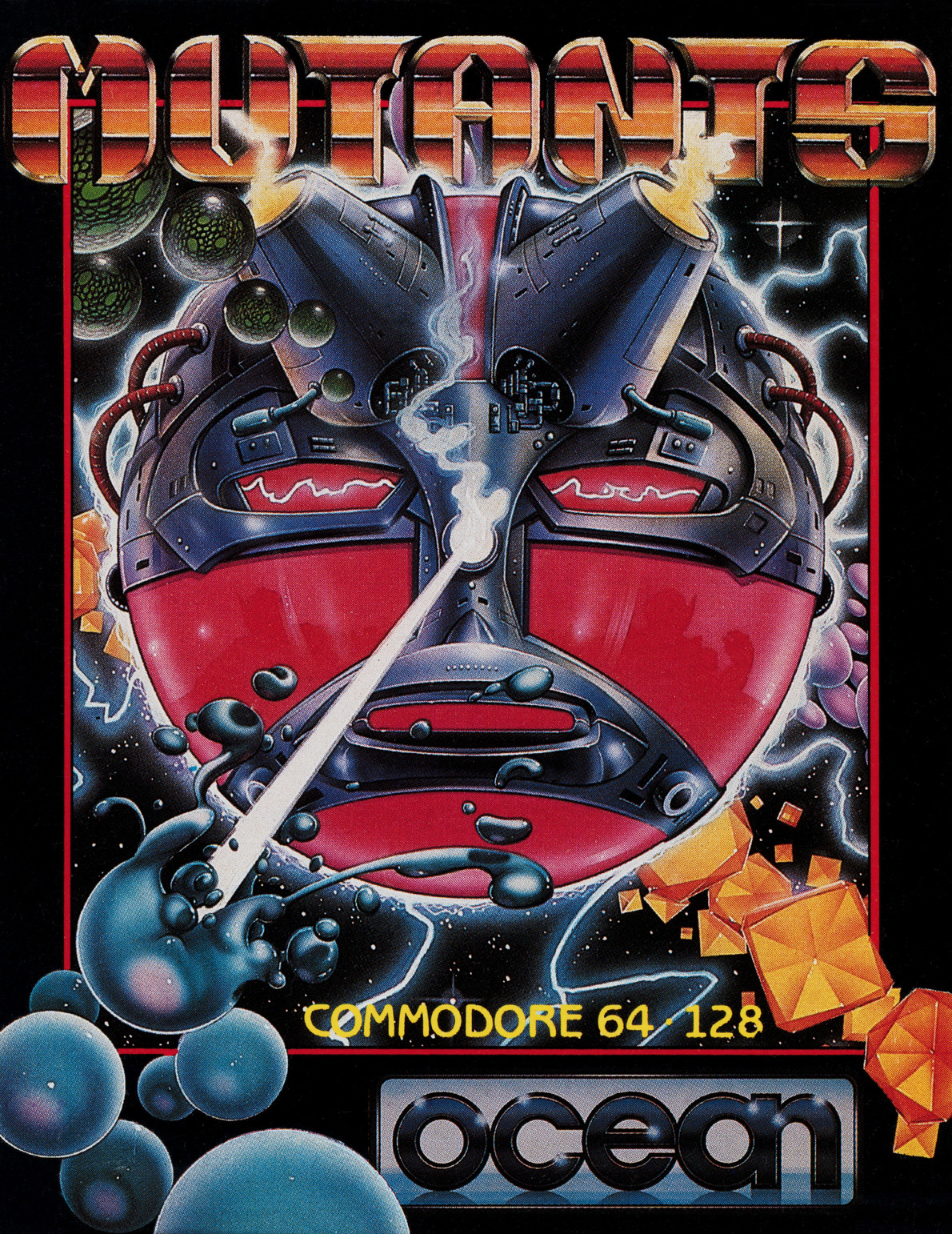
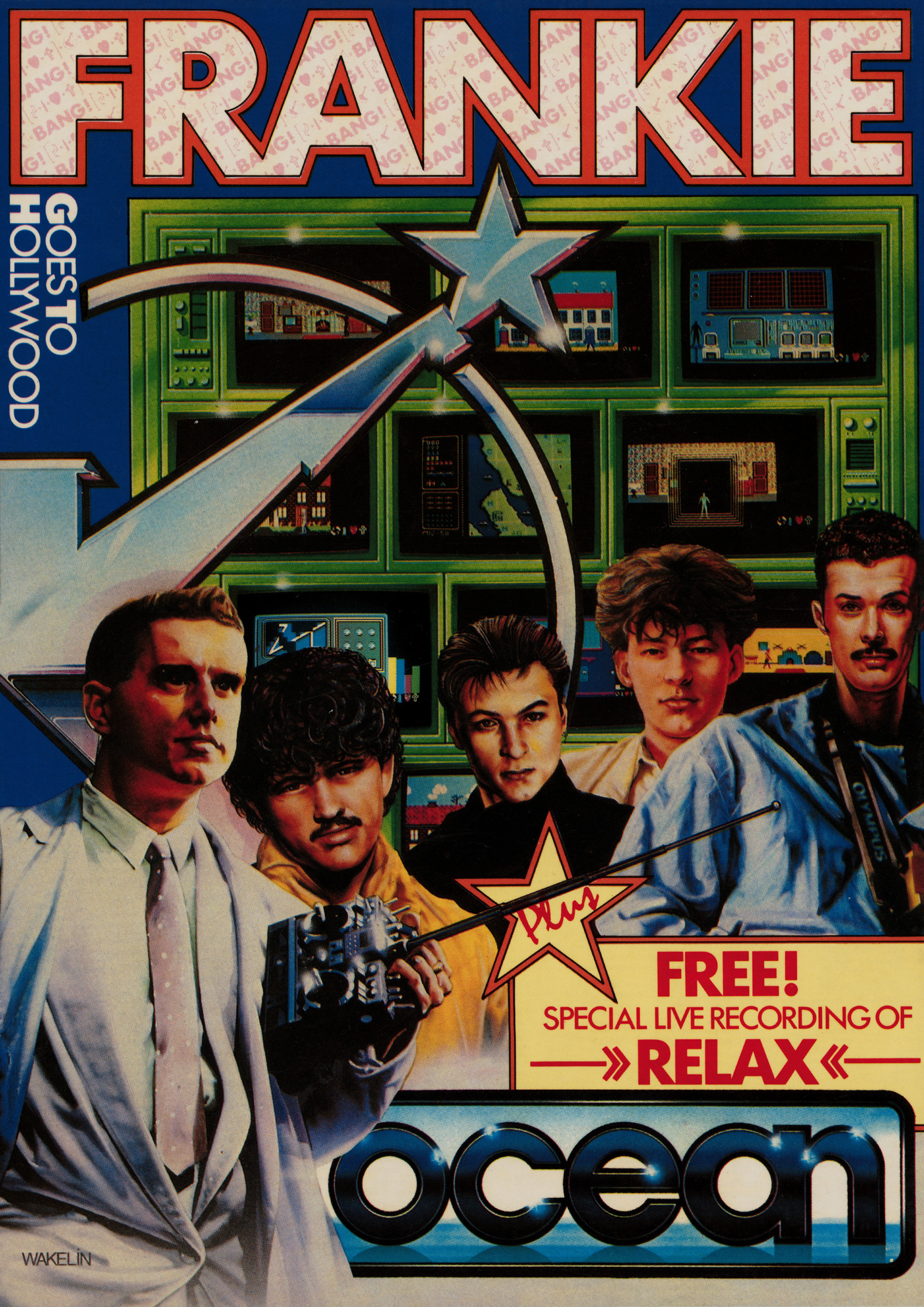
By 1987 Gray was producing work primarily for Ocean Software, the Manchester-based publisher that dominated British C64 gaming in the second half of the decade. Mutants (1987), Batman: The Caped Crusader (1988), Army Moves, Legend of Kage, and a string of licensed titles followed. Mutants became his most celebrated Ocean work - it sits at #13 in the HVSC Top 100, the community's most-voted SID ranking.
Ocean's SID output is often discussed in terms of Rob Hubbard's prolific contributions, but Gray's period preceded much of that output and established a harmonic vocabulary that the studio's later composers inherited. Where Hubbard's approach tended toward virtuosic lead lines, Gray's was primarily chordal - a composer thinking in vertical harmony rather than horizontal melody.
"[Mutants] is a very underrated C64 shmup."
Community comment, YouTube - Mutants Commodore 64 Music (Fred Gray)
Personal Favourites vs. Community Favourites
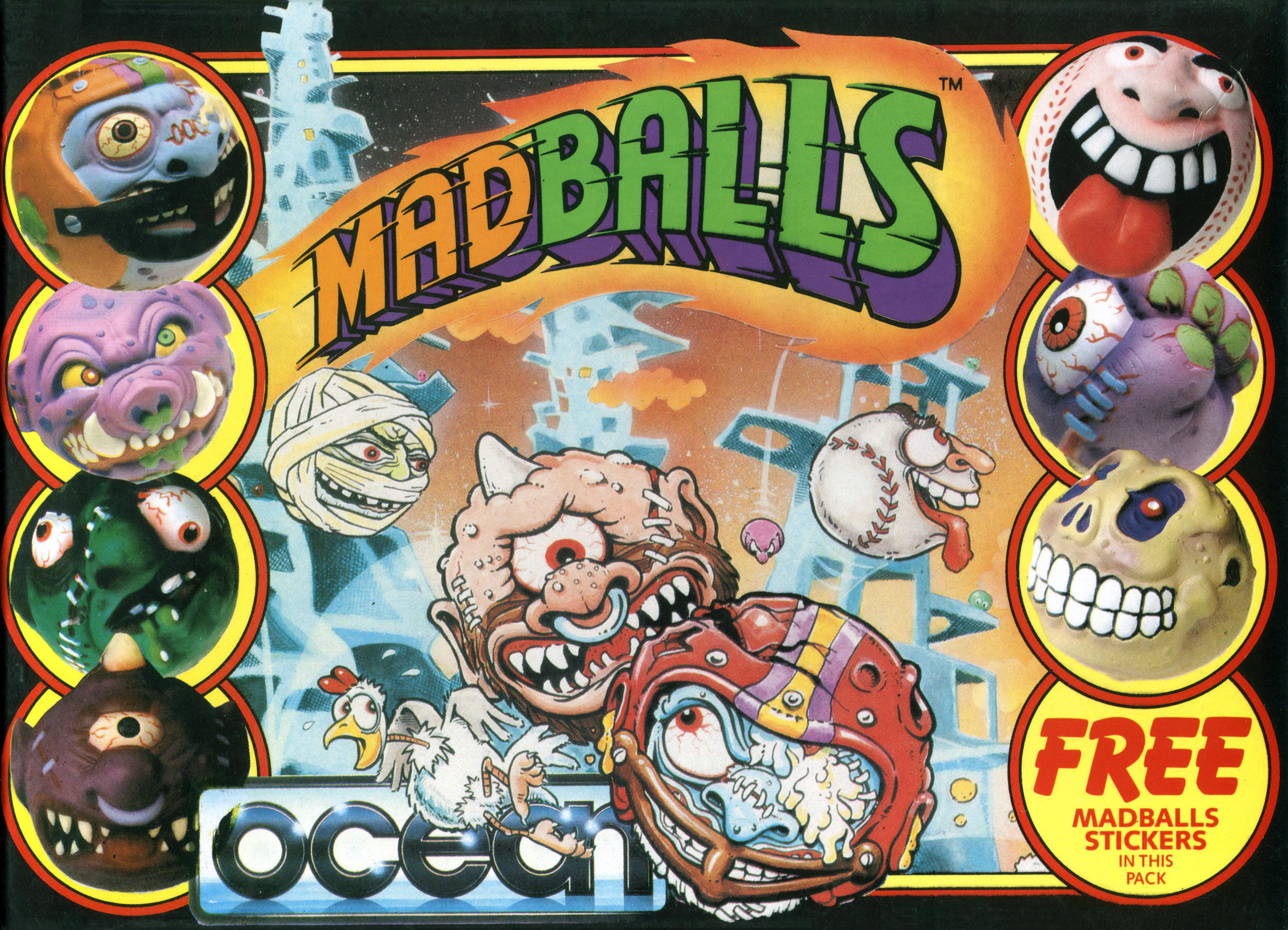
Gray's own stated favourites among his compositions are Madballs (1987) - which he described as "whacky" - and Mario Bros. (1987), the Ocean conversion of Nintendo's arcade game, which he gave a reggae-inflected arrangement. Both of these sit outside the three titles the community celebrates most: ShadowFire, Enigma Force, and Mutants. It is a common pattern with composers - the pieces closest to their personal sensibility and the pieces the audience responds to most are rarely the same.
The 2001 Remix64 interview is the primary source for Gray's own voice on his work. It paints a picture of a musician who was genuinely enthusiastic about his craft, technically methodical, and not particularly preoccupied with the celebrity that the SID community later accorded him.
After the SID
Gray's last known C64 game credit is Eye of Horus (1990). By 2001, when the Remix64 interview was conducted, he was teaching adults computing in Liverpool and running a local children's computer club. It is a quietly appropriate landing spot for someone whose career began with a VIC-20 and ended with one of the most admired SID catalogues of the 1980s.
Gray on Enigma Force - From Bedrooms to Billions documentary series.