The People Behind the Trilogy
The Donkey Kong Country trilogy was built by a small, intensely capable team at Rare's Twycross studio. These are the key figures whose decisions shaped every aspect of the games.
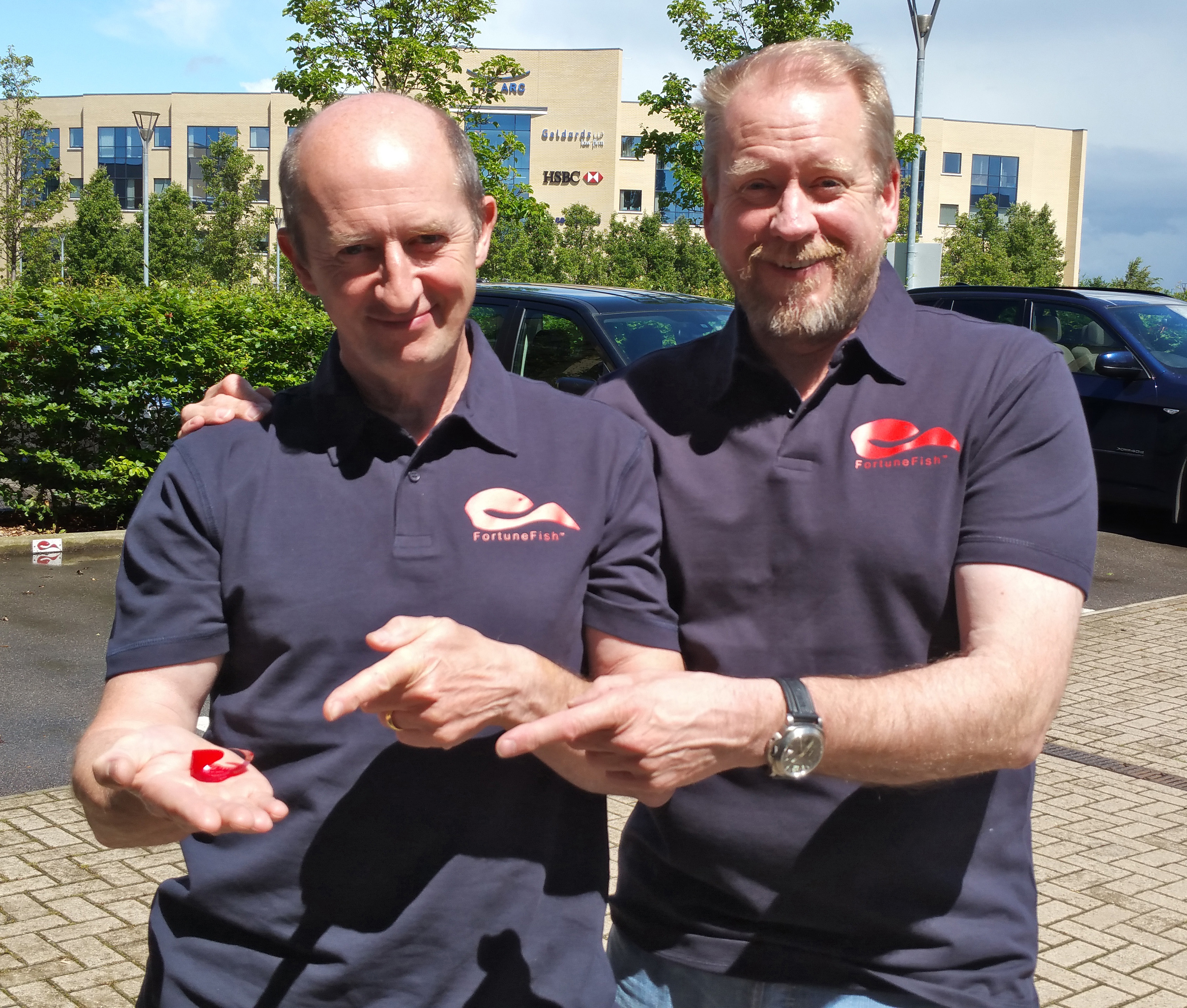 Tim Stamper
Tim Stamper
Co-founder · Technical Director
Tim Stamper co-founded Rare alongside his brother Chris in 1982, initially operating as Ultimate Play the Game before rebranding in 1985. Born in the English Midlands, Tim was the technical engine of Rare - a programmer of exceptional ability who consistently pushed hardware beyond its documented limits.
Tim's technical vision drove the Donkey Kong Country project from a fundamental level. When the brothers saw SGI workstations being used in Hollywood for computer-generated imagery, Tim identified the opportunity: render 3D models on the SGI hardware, then compress the output into sprite sheets the SNES could display. The result was the Advanced Computer Modelling (ACM) technique - a pipeline that produced DKC's groundbreaking pre-rendered visual style.
Tim and Chris Stamper sold Rare to Microsoft in 2002 for approximately £375 million. Both brothers remained with the company through a transition period before eventually departing. Tim's specific technical contributions to games were rarely credited in the way that designers or directors were, but his influence on what Rare was able to build is foundational.
- Sabre Wulf (1984) - Co-developer - Ultimate Play the Game
- Battletoads (1991) - Technical Director - Rare
- Donkey Kong Country (1994) - Co-founder / Technical Director - Rare
- GoldenEye 007 (1997) - Executive Producer - Rare
- Banjo-Kazooie (1998) - Executive Producer - Rare
 Chris Stamper
Chris Stamper
Co-founder · Creative Director
Chris Stamper co-founded Rare with his brother Tim, initially as Ultimate Play the Game in 1982. Based in Twycross, Leicestershire, the brothers built one of the most significant British game development studios of the 8-bit and 16-bit era from an unlikely rural location. Chris handled more of the creative and business direction of the company, complementing Tim's technical expertise.
The Stamper brothers built Rare's Nintendo relationship through persistence and capability. When they pivoted to Nintendo hardware in the mid-1980s, they secured a direct publishing relationship with Nintendo of America that gave them privileged access to development kits and a direct distribution channel. This relationship was fundamental to DKC's existence - Nintendo provided both the licence to use Donkey Kong and the marketing budget that propelled the game to stratospheric sales.
- Sabre Wulf (1984) - Co-developer - Ultimate Play the Game
- Battletoads (1991) - Creative Director - Rare
- Donkey Kong Country (1994) - Co-founder / Creative Director - Rare
- GoldenEye 007 (1997) - Executive Producer - Rare
- Banjo-Kazooie (1998) - Executive Producer - Rare
 David Wise
David Wise
Composer · DKC1 & DKC2
David Wise is the composer behind the Donkey Kong Country soundtrack - one of the most celebrated bodies of work in video game music, produced with remarkable sophistication under the severe hardware constraints of the Super Nintendo. A British musician who joined Rare in 1987, Wise composed the music for DKC1 and DKC2, creating scores that used ambient texture and layered synthesis in ways that transcended the typical SNES chiptune sound.
Wise approached SNES composition differently from most of his contemporaries. Where other composers wrote primarily melodic, rhythmically driven pieces designed to loop seamlessly, Wise incorporated ambient sound design - recorded samples processed through the SPC700 sound chip - to create atmosphere as much as melody. Aquatic Ambience exemplifies this: a piece built on processed Roland Sound Canvas samples that sounds less like a game soundtrack and more like ambient electronic music.
"I wanted the music to make you feel like you were inside the game world, not just listening to a melody while you played." - David Wise, on his compositional approach for the DKC series
David Wise interview - composing for Donkey Kong Country
- Donkey Kong Country (1994) - Composer - Rare
- Donkey Kong Country 2: Diddy's Kong Quest (1995) - Composer - Rare
- Diddy Kong Racing (1997) - Composer - Rare
- Donkey Kong 64 (1999) - Composer - Rare
- Donkey Kong Country: Tropical Freeze (2014) - Composer - Retro Studios
 Gregg Mayles
Gregg Mayles
Lead Designer · DKC1 & DKC2
Gregg Mayles served as the lead designer on Donkey Kong Country and Donkey Kong Country 2, shaping the gameplay systems, level design philosophy, and world-building that defined the series. Working at Rare from the early 1990s, Mayles brought a creative confidence that matched the technical ambition Tim Stamper brought to the ACM pipeline.
Mayles's design approach for DKC centred on momentum and flow - creating levels where running, jumping, and using animal buddies produced a sense of speed and rhythm that felt physically satisfying. The barrel cannon sequences, mine-cart stages, and Rambi charges were all expressions of this philosophy. For DKC2, Mayles chose the pirate world aesthetic, allowing for tonal range and visual contrast that the jungle setting of DKC1 couldn't achieve: from the rusted Gangplank Galleon through the genuinely eerie Gloomy Gulch haunted amusement park.
- Donkey Kong Country (1994) - Lead Designer - Rare
- Donkey Kong Country 2: Diddy's Kong Quest (1995) - Lead Designer - Rare
- Banjo-Kazooie (1998) - Designer - Rare
- Banjo-Tooie (2000) - Designer - Rare
 Eveline Fischer
Eveline Fischer
Composer · DKC3
Eveline Fischer composed the primary soundtrack for Donkey Kong Country 3: Dixie Kong's Double Trouble!, with contributions from David Wise. Her score deliberately departed from the ambient, atmospheric approach Wise had established in DKC1 and DKC2, incorporating more experimental harmonic choices, reggae-influenced rhythms, and unusual textures that gave DKC3 a distinct sonic identity.
Fischer's work on DKC3 remains less studied than Wise's contributions to the first two games, partly because the experimental nature of her score divided opinion on release. Subsequent reassessment has found more to appreciate in the DKC3 soundtrack's willingness to deviate from established DKC conventions - Coral Capers and the overworld theme in particular have gained appreciation for their originality.
- Donkey Kong Country 3: Dixie Kong's Double Trouble! (1996) - Composer - Rare