1986 – 1997 · Classic Era

Game Catalogue

Eight titles spanning NES, SNES, PC Engine, Mega Drive, and PlayStation. Scroll through the complete classic era catalogue below.

Full Catalogue

Scroll to navigate — each title snaps into view.

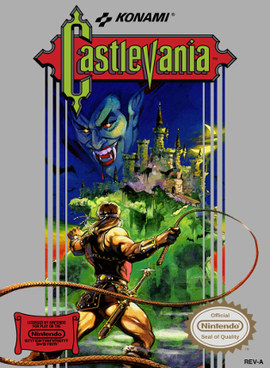
Castlevania (1986) box art

Castlevania

1986 · Famicom Disk System / NES / MSX2 · Composer: Kinuyo Yamashita

NES Famicom Disk System Action Platformer

The game that started it all. Simon Belmont sets out to defeat Count Dracula, whipping his way through six gothic stages. Originally released in Japan as Akumajô Dracula, it introduced the Vampire Killer whip, candle-smashing for power-ups, and the iconic gothic horror aesthetic. Kinuyo Yamashita’s soundtrack remains one of the finest ever composed for 8-bit hardware.

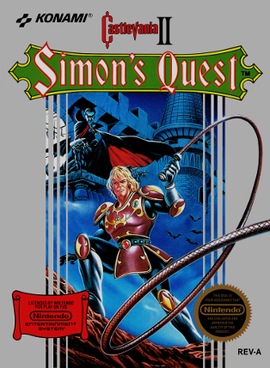
Castlevania II Simon's Quest box art

Castlevania II: Simon’s Quest

1987 · Famicom Disk System / NES · Composer: Kenichi Matsubara

NES Action RPG

A bold departure from the original. Simon’s Quest introduced open-world exploration, RPG mechanics including experience points and village economies, and a day/night cycle that transforms the enemies. Simon must gather the five body parts of Dracula to break a curse. Controversial on release for its cryptic clues; now regarded as ahead of its time. Features Bloody Tears — one of gaming’s most-remixed tracks.

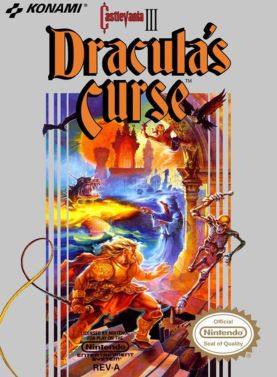
Castlevania III Dracula's Curse box art

Castlevania III: Dracula’s Curse

1989 · Famicom / NES · Composer: Hidenori Maezawa

NES Action Platformer

Set 200 years before the original, Dracula’s Curse follows Trevor Belmont with branching stage paths and three companion characters: Grant DaNasty, Sypha Belnades, and Alucard. The Japanese Famicom version uses the VRC6 expansion chip for substantially superior audio — a different experience from the NES release.

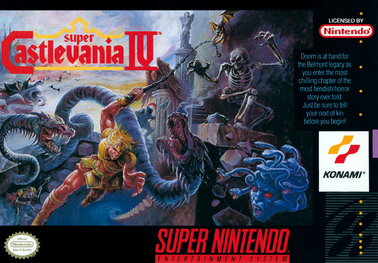
Super Castlevania IV SNES box art

Super Castlevania IV

1991 · Super Nintendo (SNES) · Composers: Masanori Adachi & Taro Kudo

SNES Flagship Action Platformer

The SNES launch showcase. Simon Belmont returns with 360-degree whip control, Mode 7 rotating rooms, and an atmospheric soundtrack that is widely regarded among the finest on the platform. 11 stages of escalating gothic horror. A retelling of the original 1986 story reimagined for 16-bit hardware. Read the deep-dive →

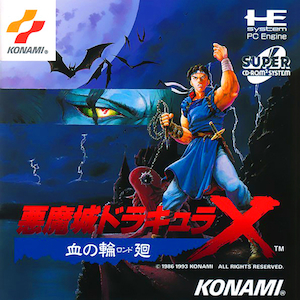
Castlevania Rondo of Blood PC Engine cover art

Castlevania: Rondo of Blood

1993 · PC Engine CD-ROM² · Composer: Akira Souji

PC Engine Action Platformer

Widely considered the pinnacle of the classic Castlevania formula. Richter Belmont rescues his girlfriend Annette across voiced, animated stages. The CD-ROM format allowed Red Book audio and full cutscenes. Maria Renard is a secret playable character with entirely different mechanics. Japan-exclusive until the 2007 PSP remake; Western players first met Richter through the inferior SNES adaptation, Dracula X.

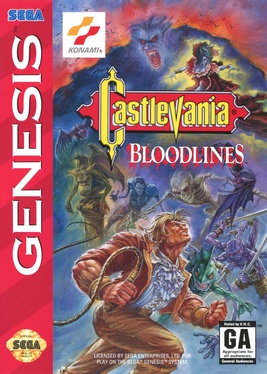
Castlevania Bloodlines Mega Drive cover art

Castlevania: Bloodlines

1994 · Mega Drive / Genesis · Composer: Michiru Yamane

Mega Drive Action Platformer

The only mainline Castlevania for a Sega console. Two playable protagonists — John Morris (whip) and Eric Lecarde (spear) — battle across six European countries in 1917. Known as Vampire Killer in Japan and Castlevania: The New Generation in Europe. Introduced Michiru Yamane as composer, whose FM synthesis work here foreshadowed her PlayStation era masterworks.

No box art

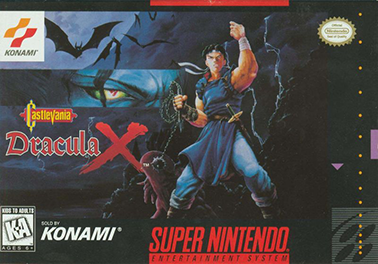
Castlevania: Dracula X

1995 · Super Nintendo (SNES) · Composer: Keizo Nakamura

SNES Action Platformer

A SNES adaptation of Rondo of Blood created for Western audiences who lacked access to the Japan-only PC Engine original. While sharing some stages and characters, it is a heavily simplified version with different level layouts and reduced gameplay features. Known as Castlevania: Vampire’s Kiss in Europe. Western players’ first — and inferior — introduction to Richter Belmont.

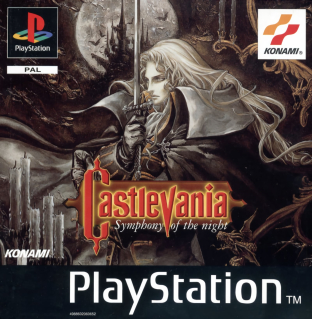
Castlevania Symphony of the Night PlayStation cover art

Castlevania: Symphony of the Night

1997 · PlayStation · Composer: Michiru Yamane · Producer: Koji Igarashi

PlayStation Genre-Defining Action RPG / Metroidvania

Symphony of the Night redefined Castlevania and, alongside Super Metroid, gave birth to the “Metroidvania” genre. Playing as Alucard, the player explores Dracula’s castle freely, gaining abilities that unlock previously inaccessible areas. RPG stat mechanics, hundreds of items, and — in a defining twist — an inverted castle doubles the game’s scope. Michiru Yamane’s score is a baroque-rock masterpiece.