The Scene Infrastructure
The external resources that document, archive, and enable the cracktro tradition. All links verified live. For tools to run cracktros yourself, see the Play page.
Where the Records Live
C64 Scene Database - the primary archive for cracktros, demos, and scene productions. Tens of thousands of releases with screenshots, download links, and scener credits. The authoritative source for release attribution and group history.
Cross-platform scene productions database covering C64, Amiga, PC, and other platforms. Cross-references with CSDb on group membership and release history. Useful for tracking sceners who moved between platforms.
The primary file archive for the demoscene. Hosts disk images, demos, tools, and diskmags including the Vandalism News archive - one of the primary first-person sources for scene history from the late 1980s onward.
The Wikipedia article on crack intros - a good starting point for the uninitiated. Links to the Demoscene and PETSCII articles for wider context.
The SID Library
High Voltage SID Collection - 55,000+ SID files, the world's largest archive of C64 music. The STIL (Song Title Information List) is the authoritative source for composer attribution. Founded 1996, still actively maintained and expanded.
Understanding the Hardware
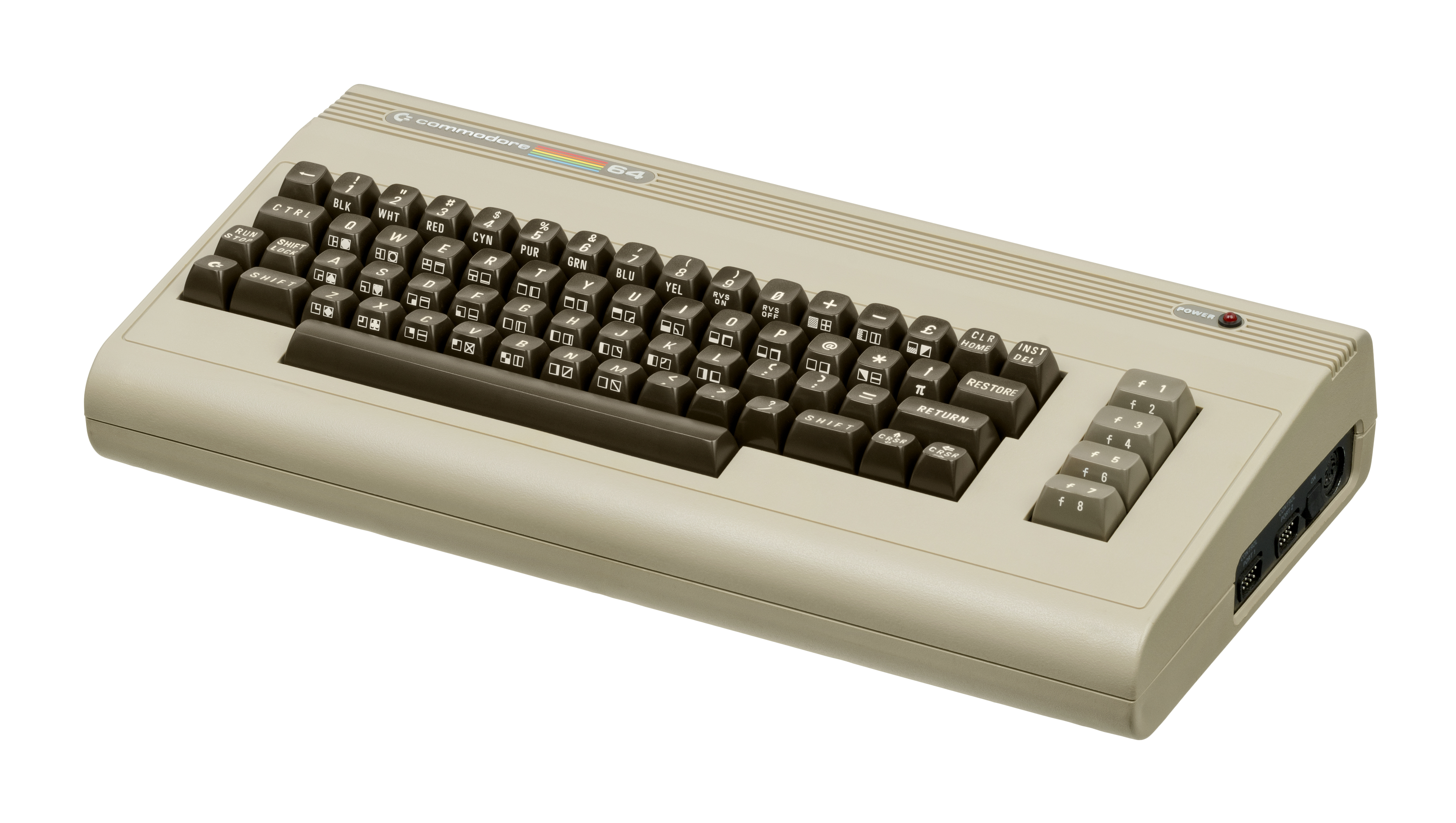
The technical documentation for the raster bar effect - how VIC-II raster interrupts work and how to implement colour changes between scanlines. The reference used by cracktro coders from 1984 onward.
Complete reference for the VIC-II video chip - every register, every timing specification, every hardware capability. The chip that made raster bars possible and whose limits cracktro coders spent a decade exceeding.
Complete reference for the MOS 6581/8580 SID chip - three voices, waveforms, ADSR envelopes, the filter section. The hardware basis for everything heard in a cracktro's soundtrack.
The Commodore character encoding used for cracktro logos - block graphics and line-drawing symbols that allow elaborate designs without loading custom fonts. Reference for the visual language of early cracktros.
The comprehensive C64 programming reference - raster interrupts, sprite multiplexing, smooth scrolling, hardware registers. All the techniques used in cracktros are documented here with working example code.
Online PETSCII editor - create PETSCII art in a browser using the original Commodore character set. Useful for understanding the constraints cracktro graphicians worked within when designing group logos.
Running the Real Thing
The primary C64 emulator - cycle-exact accuracy means raster effects appear identically to original hardware. Available for Windows, macOS, and Linux. The standard tool for viewing cracktros today. Setup guide on the Play page.
The website of Triad - one of the longest-running C64 groups, still active. Documents the group's history from the mid-1980s to the present and lists recent releases. Evidence that the scene continues.
C64 game database with reviews, screenshots, and downloads. Useful for context on which games received notable cracktros - the commercial game being cracked is always the context for the cracktro that preceded it.
The demoscene's Wikipedia article covers the tradition that grew from cracktros - how the split happened in 1987-88 and what the scene became afterward. Places the cracktro in its broader cultural context.