From Credits Screen to Cultural Form
The cracktro was born out of necessity, grew into competition, and ended its cracking-scene career as a recognised art form. This is the forty-year arc - told in the order it happened.
The First Lines on a Blank Screen
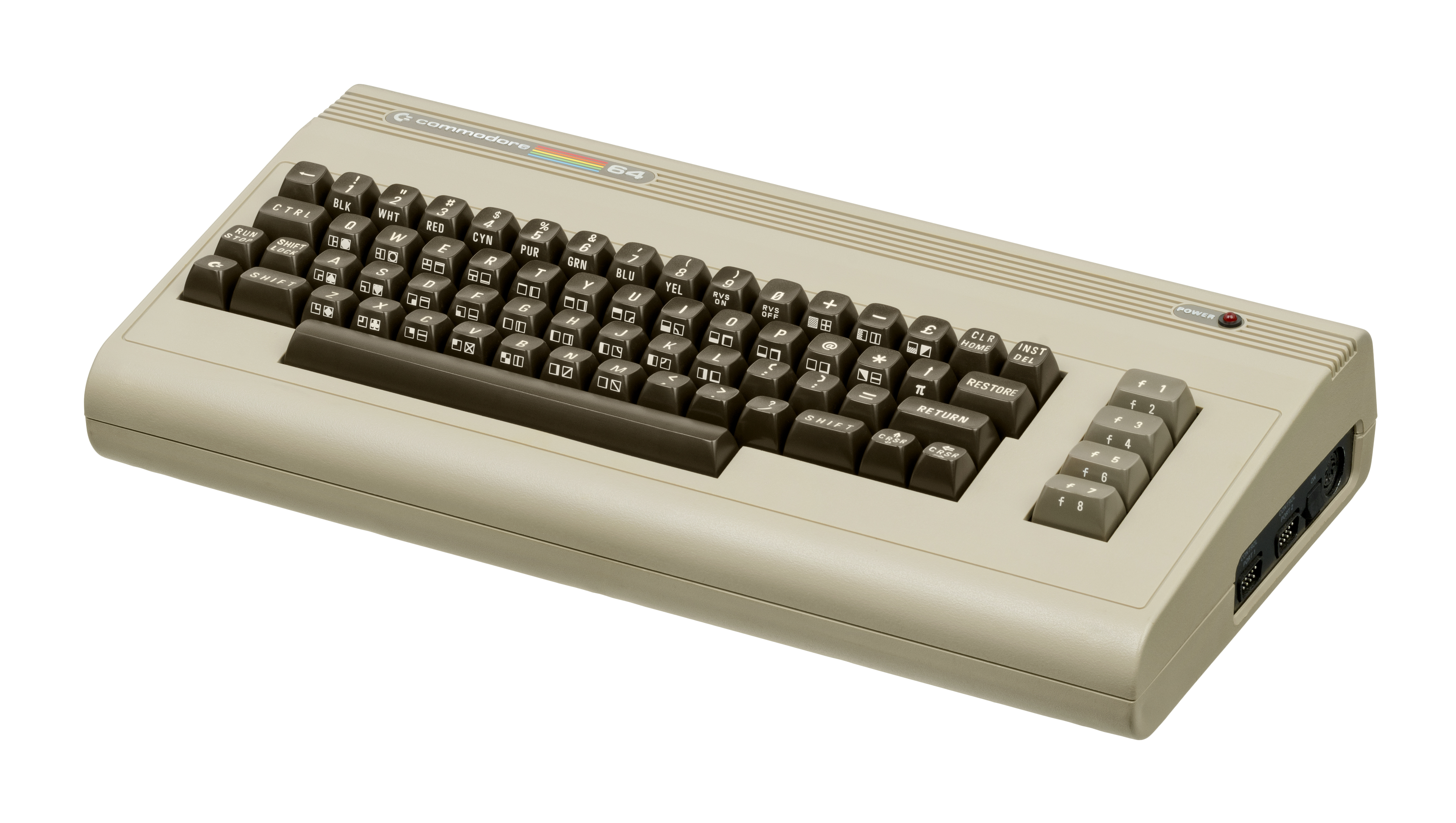
The Commodore 64 shipped in 1982 with copy protection on its commercial software. By the time the machine had found its audience, a parallel market in cracked copies had already emerged - disk-to-disk duplicates with the protection stripped out. The question of who had done the stripping was answered, at first, with a simple text string. "Cracked by..." followed by a group name.
What changed that from tag to tradition was competition. If your text appeared on one line, someone else's appeared on two. If theirs scrolled, yours had to scroll faster. The hardware that made the C64 exceptional - the VIC-II graphics chip, the SID sound chip - was there waiting to be exploited, and the crackers were the first programmers in the consumer market to push its limits without commercial constraints.
1001 Crew, active from Germany from around 1983, are widely credited as among the first groups to treat their intro screen as a technical statement. Their early productions introduced the scrolling text message - the "scroller" - that would become the defining visual element of the cracktro form for the next decade.
"The C64 scene started before anyone called it a scene. We were just kids making computers do things they weren't supposed to do."
Collected scener recollections, Vandalism News diskmag archive, scene.org
Outrunning Each Other Through the VIC-II
By 1984 the scroller had become universal and groups needed a new dimension to compete on. Raster bars - coloured horizontal bands achieved by changing background registers during the VIC-II's scan - were the first major technical leap. Simple versions had appeared before; by 1985 groups were producing "rainbow" effects that cycled through the full C64 colour palette within a single frame.
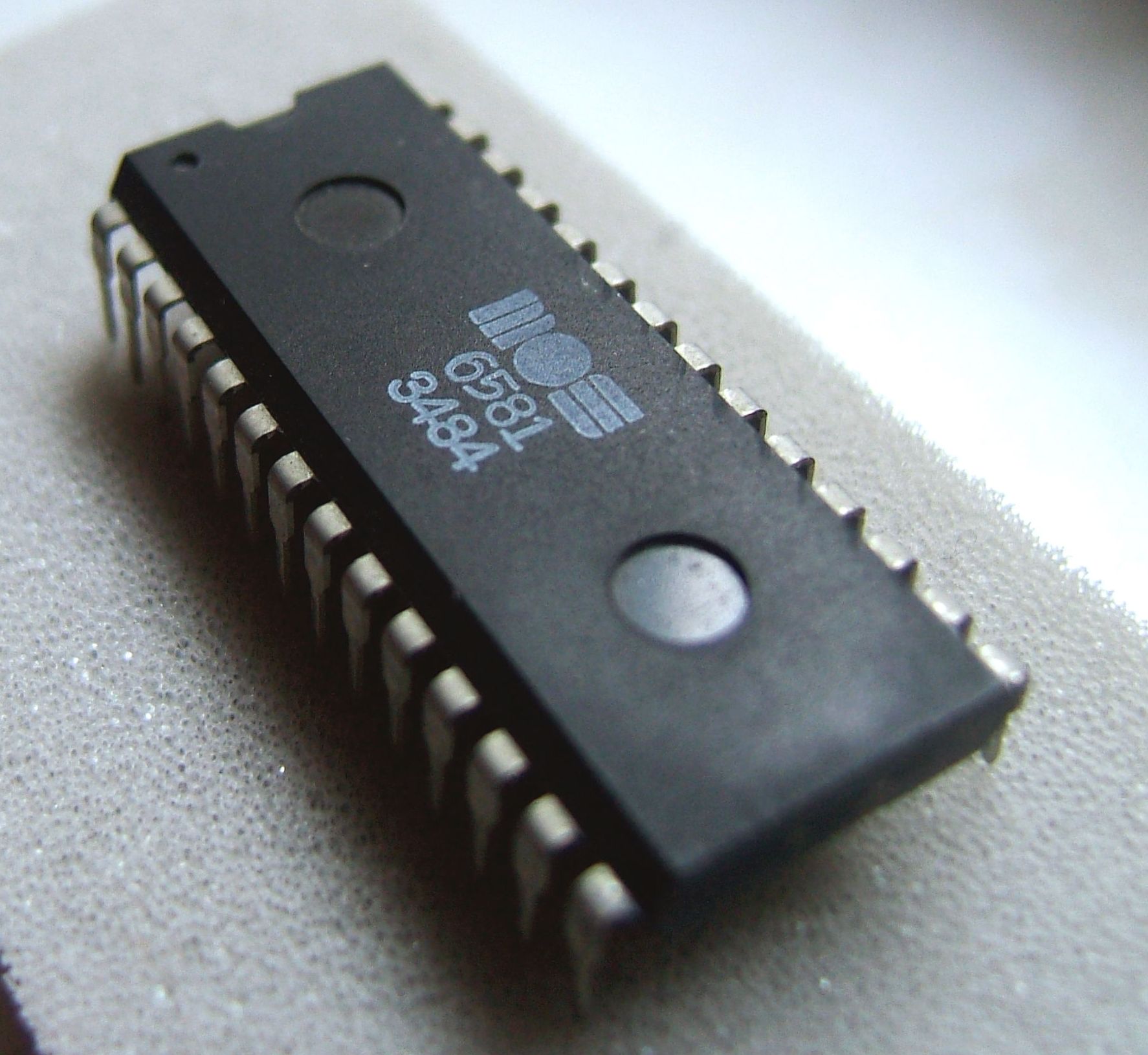
SID music became standard practice in the same period. Rob Hubbard's commercial game soundtracks had demonstrated what the 6581 chip could do when treated seriously; cracktro musicians began composing original tracks specifically for their intros, turning what had been a silent credits screen into a short audio-visual performance.
Codebase64's technical documentation preserves the raster interrupt technique from this era in full. The implementation required cycle-counting the CPU to ensure the colour register change happened between scanlines rather than mid-line - a discipline that separated competent coders from exceptional ones.
The Two Years When Everything Was Possible
The years 1986 and 1987 represent the absolute peak of the cracktro as an art form within its own cracking-scene context. The Amiga had arrived but the C64 was still the dominant platform; the groups producing cracktros had several years of accumulated technique behind them and the hardware had not yet hit its absolute ceiling.
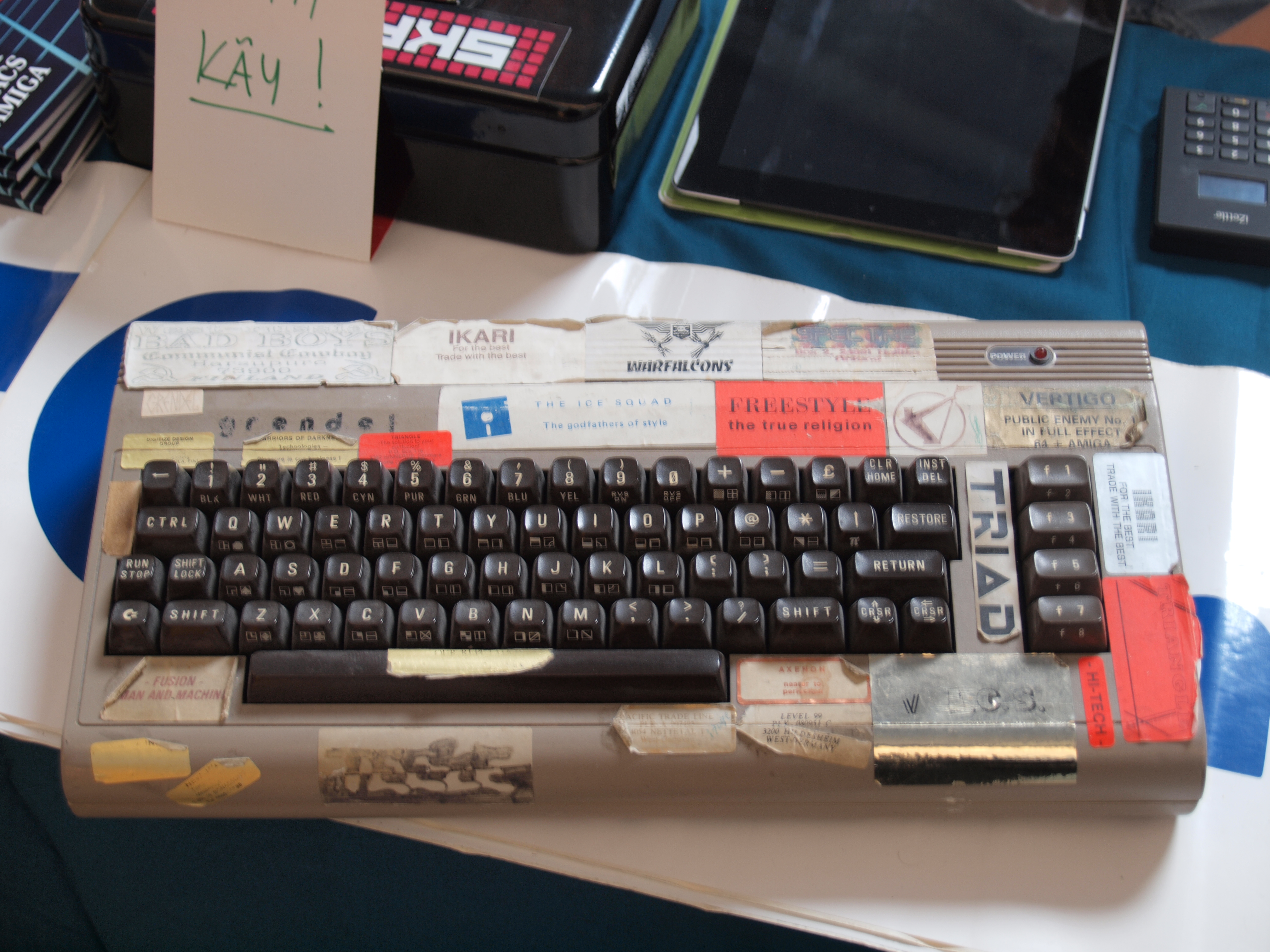
Fairlight, founded in Sweden in 1987, arrived at this exact moment and immediately became one of its defining groups. Active across multiple platforms but particularly prolific on C64, Fairlight produced hundreds of cracks with intros that combined multi-coloured raster sequences, original SID scores, and PETSCII logos of increasing complexity. Triad, active from Sweden from around 1985-1986, produced its finest cracktros in this period - elaborate scrollers with layered effects and instrumental SID tracks composed specifically to run at exactly the right length for the greetings text to complete.
Ikari, the Danish-German group that would later merge with Talent to form Ikari + Talent, was producing intros at volume and quality that matched anything in the scene. The joint-group release - cracktros co-credited to two groups who had collaborated on a particular crack - became an important tradition in this period, a demonstration that the scene's internal competition coexisted with genuine creative friendship.
"You had maybe 64KB to work with total. The intro had to be small enough to not eat the memory the game needed. So every byte in the cracktro was chosen deliberately."
Reconstructed from technical documentation, Codebase64 community notes
The Fork That Created the Demo Scene
By 1987 a tension had developed within cracking groups between those who wanted to push the technical art form as far as possible and those who simply wanted to crack games. The cracktro format had a natural ceiling: it had to load before the game, so it had to be small, and it had to complete in time for an impatient user to actually play what they had copied.
The response was the standalone demo - a program that existed purely to demonstrate technical and artistic skill, with no game attached and no size constraint. Cracking groups began releasing demos alongside their crack productions; then some members split off entirely to form dedicated demo groups.
The Amiga's arrival accelerated this divergence. Its superior graphics and audio hardware gave demo coders new capabilities that the C64 could not match; many of the best programmers migrated platforms. What remained in the C64 cracking scene after 1988 was technically proficient but aesthetically simpler - the extreme-complexity productions increasingly belonged to the demo scene.
The cracktro continued nonetheless. Triad kept releasing them through the 1990s and into the 2000s and 2010s and 2020s. The form that was supposed to be a stopgap became a living tradition.
Forty Years of Evidence That the Form Did Not Die
The C64 Scene Database (CSDb) was established to archive cracktros and scene productions and now holds records of tens of thousands of releases dating from 1982 to the present year. Its existence is testimony to a collector community that treats these short programs as historical documents worth preserving - a position the rest of the world took decades to catch up with.
Modern emulators, principally VICE, allow the cracktros to be experienced on any computer with accuracy down to the raster timing. What looked impossible on the real hardware looks equally impossible on the emulated hardware because the emulation is cycle-exact. The Internet Archive hosts disk image collections that boot directly in VICE.
The Freax book by Tamas Polgar (2005) placed the cracktro tradition within a broader history of the computing demoscene - the first serious attempt at a comprehensive written history. It treated the cracktro not as a footnote to game piracy but as a founding chapter of a distinct cultural tradition.
The cracktro's technical vocabulary - the raster bar, the hardware scroller, the SID composition, the PETSCII logo - became the standard toolkit of the demo scene and, through it, influenced graphic design and music production traditions that continue today. The form that began as a tag on a stolen copy of a game ended as one of computing's most durable art forms.